Genre
j-pop girl group
Top J-pop girl group Artists
Showing 20 of 20 artists
1
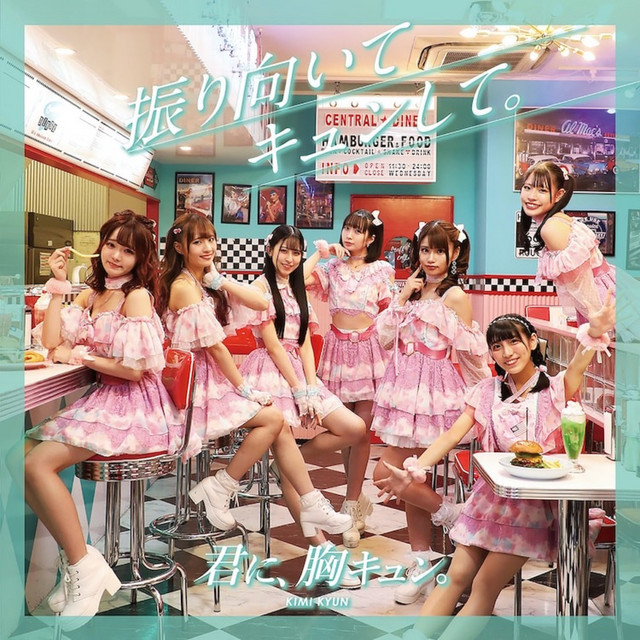
君に、胸キュン。
Japan
3,536
27,005 listeners

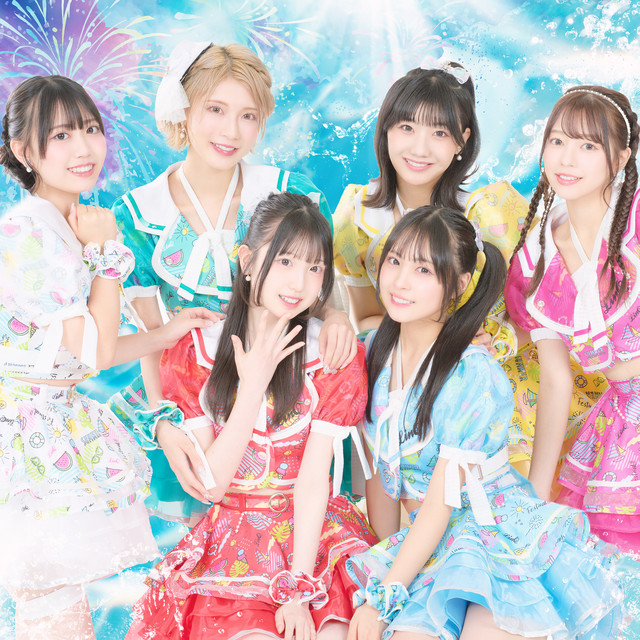


7

みぎてやじるし ひだりてはーと
11,127
2,080 listeners


12

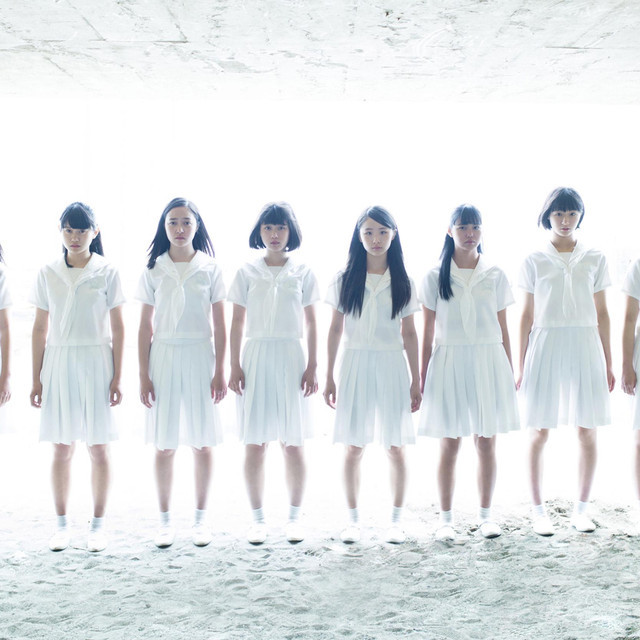
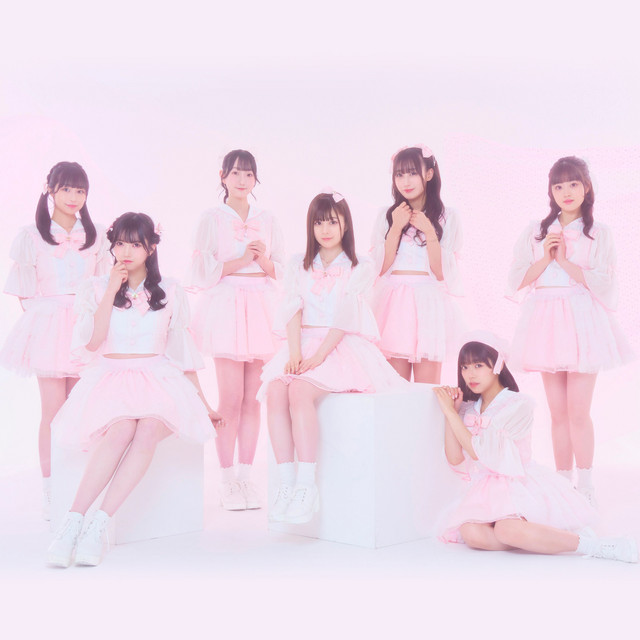
浪江女子発組合
3,053
435 listeners


18

ぴゅあ娘 リローデッド
38
3 listeners

About J-pop girl group
J-pop girl groups are a distinctive branch of Japanese pop music that fuse polished vocal harmonies, highly choreographed dance, and image-driven storytelling into a rotating cast of performers. They sit squarely in the wider Japanese idol ecosystem, where music, media appearances, fashion, and fan engagement are tightly intertwined. What makes the genre especially engaging for enthusiasts is not just the songs, but the ongoing narratives around membership, graduation, and the evolving personalities of the group’s members.
The genre’s modern blueprint begins with Morning Musume, formed in 1997 by producer Tsunku. They introduced a rotating lineup and the concept of “graduation”—members leaving and new faces joining as the group evolves. This model preserved youthfulness and freshness, while giving fans a sense of continuity through different eras. Morning Musume and the Hello! Project umbrella that grew around them became a template for countless groups that followed, solidifying the idea that J-pop girl groups could be ongoing cultural projects rather than single releases.
The mid-2000s saw the AKB48 phenomenon, created by Yasushi Akimoto. AKB48 popularized a theater-based, family-like idol system: a large roster of girls performing daily in a dedicated venue in Akihabara, organized into teams (A, K, B, and later others). The concept of “you can meet” your favorite members through handshake events, regional sister groups (SKE48, NMB48, HKT48, and more), and the threat of constant roster changes created a dynamic relationship with fans. AKB48’s singles routinely topped the charts and reshaped how success could be measured in the J-pop industry. The model’s international ripple effects helped spawn Asian sister groups and inspired non-Japanese fans to engage with the repertoire through reality shows, YouTube, and live streams.
Perfume stands out as a different but equally influential strand within J-pop girl groups. This Hiroshima trio fused electro-pop with meticulously choreographed performances and futuristic visuals, pushing a more Western-influenced dance-pop sensibility into mainstream Japan and abroad. Their early- to mid-2000s work, especially tracks like Polyrhythm (2007), helped broaden the genre’s sonic palette and demonstrated how a J-pop trio could become a global touring act with a distinctly Japanese flavor.
Nogizaka46, formed in 2011 as “the official rival” to AKB48, offered a refined, elegant alternative to the speed-and-kinetic-appeal idol machine. Its music often leans into sophisticated pop textures and pristine visuals, appealing to fans who crave a different shade of J-pop idol quality. Other Hello! Project acts such as Berryz Kobo and Cute contributed to the era’s diverse sounds, from bubblegum pop to more mature pop-rock crossovers, reinforcing the idea that J-pop girl groups can wear many hats within a single genre umbrella.
Culturally, the genre remains centered in Japan, but its appeal travels. It enjoys robust regional followings in Taiwan, Hong Kong, Singapore, Malaysia, and parts of Southeast Asia, with enthusiastic communities in Europe and North America that connect through streaming platforms, conventions, and occasional international tours. For enthusiasts, the beauty of j-pop girl groups lies in their ability to blend catchy, radio-ready hooks with theatrical performance, seasonal concept shifts, and a sense of ongoing discovery as new members and eras unfold.
The genre’s modern blueprint begins with Morning Musume, formed in 1997 by producer Tsunku. They introduced a rotating lineup and the concept of “graduation”—members leaving and new faces joining as the group evolves. This model preserved youthfulness and freshness, while giving fans a sense of continuity through different eras. Morning Musume and the Hello! Project umbrella that grew around them became a template for countless groups that followed, solidifying the idea that J-pop girl groups could be ongoing cultural projects rather than single releases.
The mid-2000s saw the AKB48 phenomenon, created by Yasushi Akimoto. AKB48 popularized a theater-based, family-like idol system: a large roster of girls performing daily in a dedicated venue in Akihabara, organized into teams (A, K, B, and later others). The concept of “you can meet” your favorite members through handshake events, regional sister groups (SKE48, NMB48, HKT48, and more), and the threat of constant roster changes created a dynamic relationship with fans. AKB48’s singles routinely topped the charts and reshaped how success could be measured in the J-pop industry. The model’s international ripple effects helped spawn Asian sister groups and inspired non-Japanese fans to engage with the repertoire through reality shows, YouTube, and live streams.
Perfume stands out as a different but equally influential strand within J-pop girl groups. This Hiroshima trio fused electro-pop with meticulously choreographed performances and futuristic visuals, pushing a more Western-influenced dance-pop sensibility into mainstream Japan and abroad. Their early- to mid-2000s work, especially tracks like Polyrhythm (2007), helped broaden the genre’s sonic palette and demonstrated how a J-pop trio could become a global touring act with a distinctly Japanese flavor.
Nogizaka46, formed in 2011 as “the official rival” to AKB48, offered a refined, elegant alternative to the speed-and-kinetic-appeal idol machine. Its music often leans into sophisticated pop textures and pristine visuals, appealing to fans who crave a different shade of J-pop idol quality. Other Hello! Project acts such as Berryz Kobo and Cute contributed to the era’s diverse sounds, from bubblegum pop to more mature pop-rock crossovers, reinforcing the idea that J-pop girl groups can wear many hats within a single genre umbrella.
Culturally, the genre remains centered in Japan, but its appeal travels. It enjoys robust regional followings in Taiwan, Hong Kong, Singapore, Malaysia, and parts of Southeast Asia, with enthusiastic communities in Europe and North America that connect through streaming platforms, conventions, and occasional international tours. For enthusiasts, the beauty of j-pop girl groups lies in their ability to blend catchy, radio-ready hooks with theatrical performance, seasonal concept shifts, and a sense of ongoing discovery as new members and eras unfold.