Genre
j-punk
Top J-punk Artists
Showing 5 of 5 artists

About J-punk
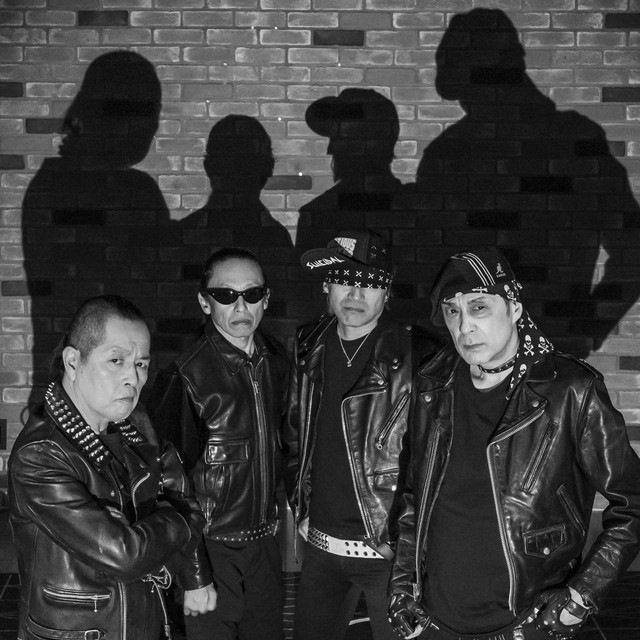
J-punk is a broad umbrella that captures the energy, speed, and DIY ethos of Japanese punk rock across decades. It’s not a single sound so much as a lineage of underground motion—born from Japan’s late-70s infatuation with Western punk, then exploded into its own forms in the 1980s and beyond. The core idea: keep it fast, keep it rough, and keep it real.
Origins and evolution
The first wave of Japanese punk emerged when a generation of musicians and fans in Tokyo, Osaka, and other cities encountered Western punk records and small clubs began to spring up. Early hardcore, noise-inflected rock, and provocative lyrics defined a scene that was as much about attitude as it was about melody. By the early 1980s, bands such as The Stalin and GISM became touchstones for speed, fury, and political bite, helping to codify a distinctly Japanese approach to punk that could be as abrasive as it was image-conscious. Alongside them, bands like S.O.B. pushed hardcore toward even more aggressive tempos and confrontational performances. The sound splintered into subgenres—fast, shouted, minimalist hardcore; more melodic, pop-inflected punk; and abrasive garage-noise hybrids—yet the common thread remained an unapologetic DIY ethic and a keen sense of who gets to decide what punk sounds like.
From that foundation, j-punk broadened its horizons in the 1990s and 2000s. A new generation experimented with melody, irony, and noise, while still honoring the sprint of punk’s core. The result is a spectrum: punchy, three-chord garage-punk; sardonic, tempo-rocket pop-punk; and noisier, boundary-pushing outfits that treat the guitar as a furnace. The scene thrived on independent labels, zines, and intimate venues, both in Japan and abroad, creating an ecosystem that could launch bands into international awareness with minimal mainstream support.
Representative artists and ambassadors
- Shonen Knife: the most widely known gateway act from Japan’s indie-punk/garage-pop side, beloved for their catchy hooks and playful energy.
- Guitar Wolf: a feral, high-octane trio that embodies the raw, stripped-down garage-punk spirit with explosive live shows.
- Hi-Standard: stoic, fast, and melodic; they helped bring a broader audience to j-punk with accessible, song-forward energy.
- The 5.6.7.8’s: a late-90s/early-2000s bridge between Japanese garage rock and global indie-punk fanbases (also known for their Kill Bill soundtrack fame).
- Otoboke Beaver: a contemporary torchbearer of fierce, witty, high-speed punk that has earned an international reputation in the 2010s and beyond.
- The Stalin and S.O.B.: early hardcore pioneers whose extreme energy and political edge remain touchstones for fans and scholars of Japanese punk.
Global reach and popularity
Japan is the core, but j-punk has long cultivated a global underground following. Enthusiasts in Europe and North America discover it through DIY labels, zines, and streaming platforms, and a steady flow of tours, split releases, and festival appearances keeps international audiences engaged. The genre’s appeal lies in its unpolished immediacy, fearless experimentation, and a willingness to collide with genres—from noise to pop—without sacrificing speed or conviction.
For the vinyl hunter, the live-music devotee, and the curious listener, j-punk offers a living archive of intensity and invention. It’s a scene that rewards repeat listenings, with each band offering a distinct doorway into Japan’s enduring punk experiment.
Origins and evolution
The first wave of Japanese punk emerged when a generation of musicians and fans in Tokyo, Osaka, and other cities encountered Western punk records and small clubs began to spring up. Early hardcore, noise-inflected rock, and provocative lyrics defined a scene that was as much about attitude as it was about melody. By the early 1980s, bands such as The Stalin and GISM became touchstones for speed, fury, and political bite, helping to codify a distinctly Japanese approach to punk that could be as abrasive as it was image-conscious. Alongside them, bands like S.O.B. pushed hardcore toward even more aggressive tempos and confrontational performances. The sound splintered into subgenres—fast, shouted, minimalist hardcore; more melodic, pop-inflected punk; and abrasive garage-noise hybrids—yet the common thread remained an unapologetic DIY ethic and a keen sense of who gets to decide what punk sounds like.
From that foundation, j-punk broadened its horizons in the 1990s and 2000s. A new generation experimented with melody, irony, and noise, while still honoring the sprint of punk’s core. The result is a spectrum: punchy, three-chord garage-punk; sardonic, tempo-rocket pop-punk; and noisier, boundary-pushing outfits that treat the guitar as a furnace. The scene thrived on independent labels, zines, and intimate venues, both in Japan and abroad, creating an ecosystem that could launch bands into international awareness with minimal mainstream support.
Representative artists and ambassadors
- Shonen Knife: the most widely known gateway act from Japan’s indie-punk/garage-pop side, beloved for their catchy hooks and playful energy.
- Guitar Wolf: a feral, high-octane trio that embodies the raw, stripped-down garage-punk spirit with explosive live shows.
- Hi-Standard: stoic, fast, and melodic; they helped bring a broader audience to j-punk with accessible, song-forward energy.
- The 5.6.7.8’s: a late-90s/early-2000s bridge between Japanese garage rock and global indie-punk fanbases (also known for their Kill Bill soundtrack fame).
- Otoboke Beaver: a contemporary torchbearer of fierce, witty, high-speed punk that has earned an international reputation in the 2010s and beyond.
- The Stalin and S.O.B.: early hardcore pioneers whose extreme energy and political edge remain touchstones for fans and scholars of Japanese punk.
Global reach and popularity
Japan is the core, but j-punk has long cultivated a global underground following. Enthusiasts in Europe and North America discover it through DIY labels, zines, and streaming platforms, and a steady flow of tours, split releases, and festival appearances keeps international audiences engaged. The genre’s appeal lies in its unpolished immediacy, fearless experimentation, and a willingness to collide with genres—from noise to pop—without sacrificing speed or conviction.
For the vinyl hunter, the live-music devotee, and the curious listener, j-punk offers a living archive of intensity and invention. It’s a scene that rewards repeat listenings, with each band offering a distinct doorway into Japan’s enduring punk experiment.