Genre
j-rap
Top J-rap Artists
Showing 25 of 4,483 artists
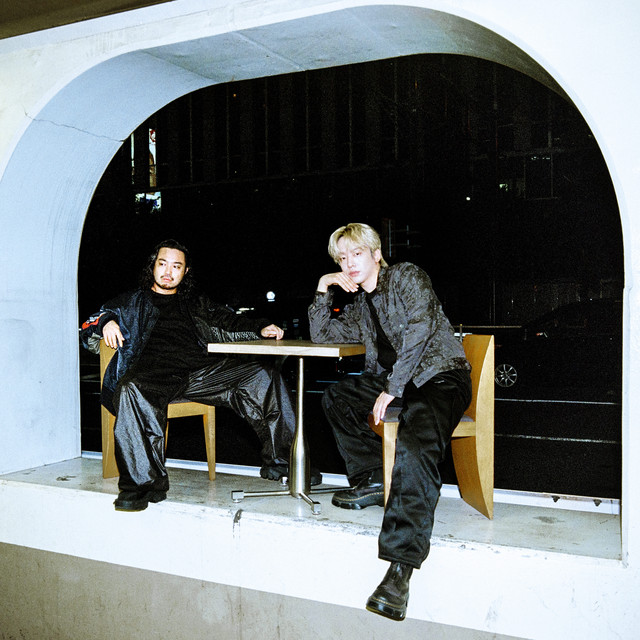
2
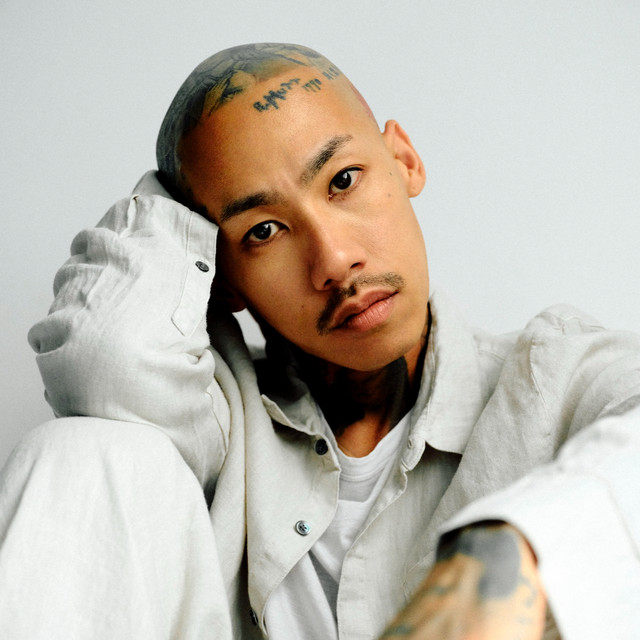
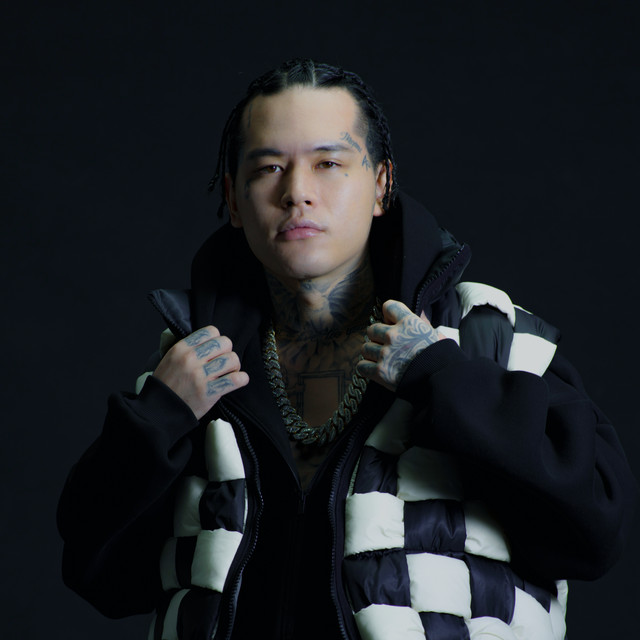
千葉雄喜
281,899
3.8 million listeners

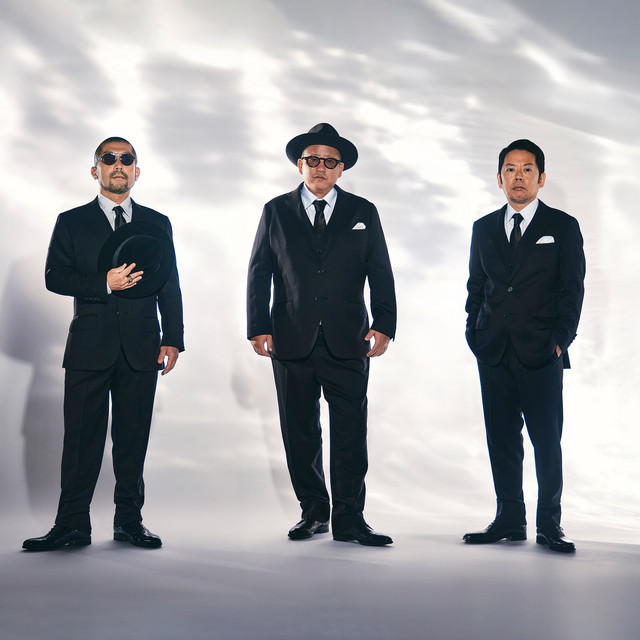




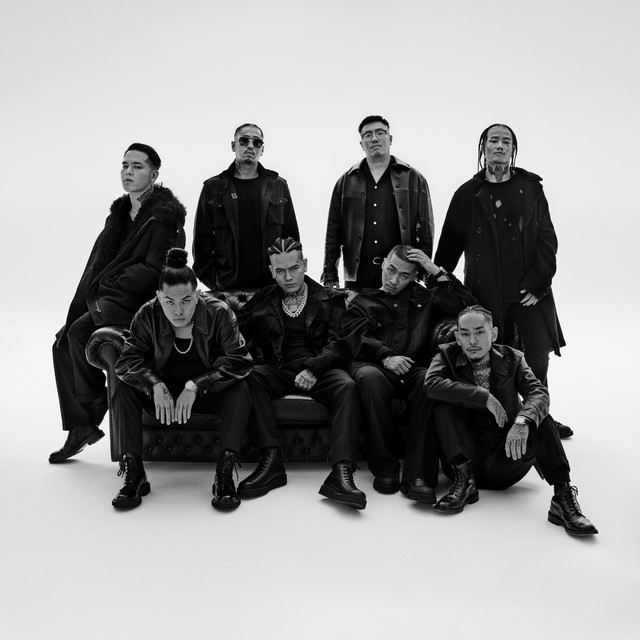
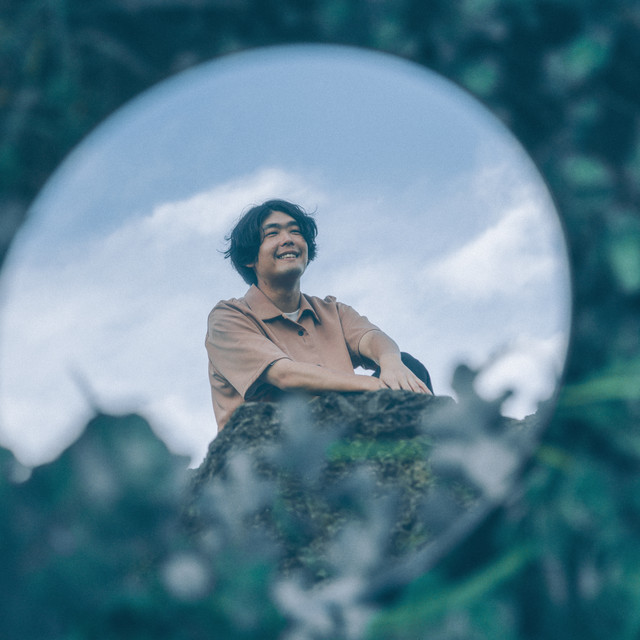
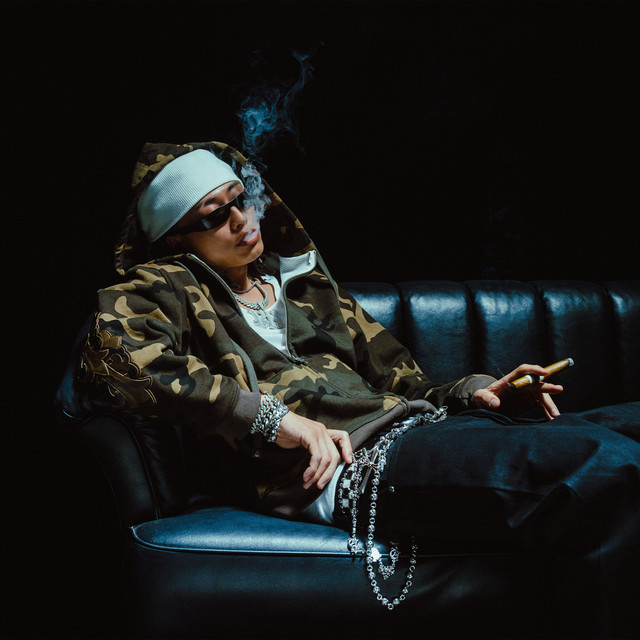
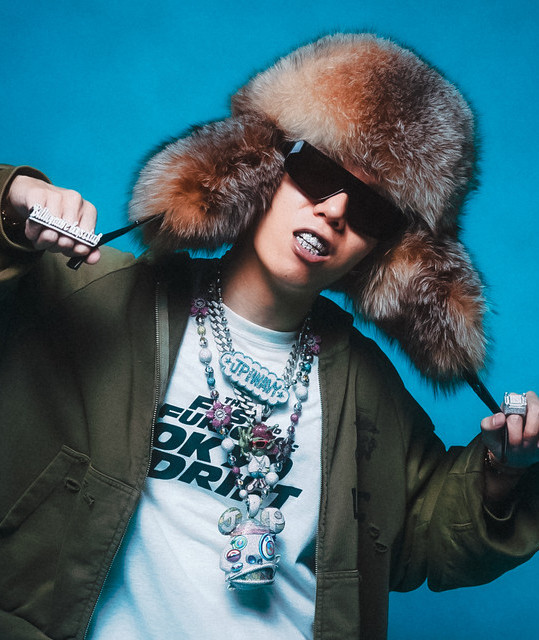
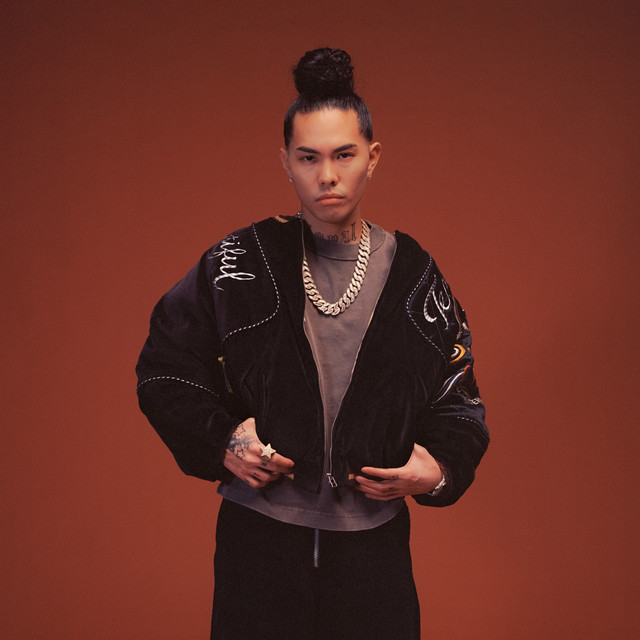






25
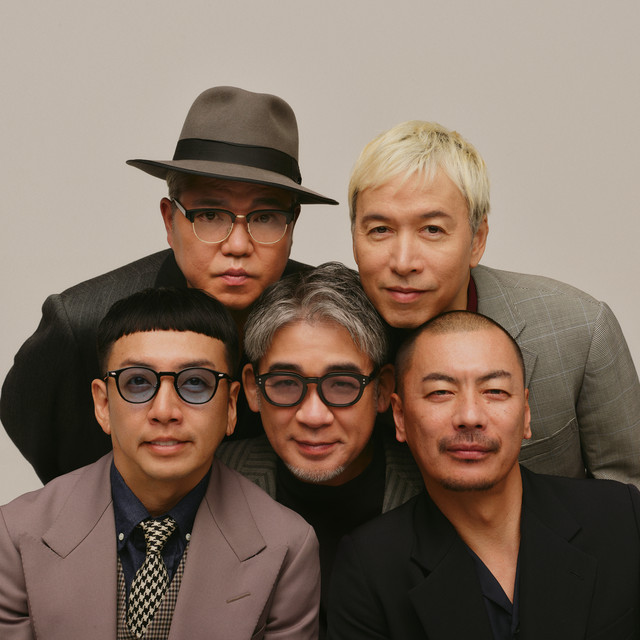
百足
196,060
431,108 listeners
About J-rap
J-rap is the Japanese-language branch of hip-hop, a vibrant scene that grew from the late-1980s underground into a mainstay of Japan’s cultural landscape. It emerged when DJs, MCs, and crews in cities like Tokyo and Osaka began translating the energy of American rap into their own language, rhythms, and social sensibilities. From the first experiments to a global conversation, J-rap has evolved through waves of production styles, lyric traditions, and cross-genre collaborations, always rooted in the feeling of a local urban voice speaking to a universal audience.
In its early phase, a handful of bold figures helped legitimize the movement. Zeebra is often cited as a foundational ambassador who brought street-tested rap into the mainstream in the 1990s, helping to shape a national audience for Japanese-language MCing. Other pioneering crews—such as Rhymester—carried the craft into live stages and radio, bridging club culture and wider popular music. The 1990s also saw a flourishing of production-focused artists; DJ Krush, though renowned for his instrumental and trip-hop leanings, played a pivotal role in exporting a Japanese hip-hop mood that later collaborators would fuse with rap.
The turn of the millennium expanded J-rap’s panorama. Producers and lyricists began collaborating more, and the genre opened up to jazz-inflected sensibilities, rock-tinged hooks, and increasingly intricate wordplay in Japanese. Nujabes stands as one of the most influential figures in this era, a Shibuya-based producer whose soulful, jazzy beats paired with insightful MC work by guests like Shing02 helped the scene reach audiences beyond Japan’s borders. The Luv(sic) series, in particular, became a touchstone for the global appreciation of Japanese hip-hop aesthetics.
From the late 2000s onward, a new generation pushed J-rap into broader territory. Artists such as Rip Slyme and KREVA built mainstream profiles, while later talents like AKLO and KOHH brought diverse textures—dense wordplay, polished production, and international collabs—into sharper focus. More recently, voices such as AWICH have highlighted regional roots (AWICH hails from Okinawa) and a multilingual, global sensibility that resonates with younger listeners inside and outside Japan. In sum, J-rap today balances gritty street storytelling with pop-forward hooks, intricate rhyme schemes, and a readiness to flirt with trap, R&B, and electronic textures.
Where is J-rap most popular? Japan remains the true heartland, with a thriving, varied underground and mainstream ecosystem, robust media support, and a strong touring circuit. Outside Japan, it commands a dedicated following in other East Asian markets and among diasporic communities in North America and Europe. Streaming platforms have also accelerated cross-border discovery, so a listener in Paris or Seattle can encounter a track produced in Tokyo within seconds. The genre’s ambassadors—pioneers like Zeebra and Nujabes, the melodic storytellers of later waves, and today’s boundary-pushers—continue to push J-rap toward new listeners, while preserving the craft’s distinctly Japanese voice.
In its early phase, a handful of bold figures helped legitimize the movement. Zeebra is often cited as a foundational ambassador who brought street-tested rap into the mainstream in the 1990s, helping to shape a national audience for Japanese-language MCing. Other pioneering crews—such as Rhymester—carried the craft into live stages and radio, bridging club culture and wider popular music. The 1990s also saw a flourishing of production-focused artists; DJ Krush, though renowned for his instrumental and trip-hop leanings, played a pivotal role in exporting a Japanese hip-hop mood that later collaborators would fuse with rap.
The turn of the millennium expanded J-rap’s panorama. Producers and lyricists began collaborating more, and the genre opened up to jazz-inflected sensibilities, rock-tinged hooks, and increasingly intricate wordplay in Japanese. Nujabes stands as one of the most influential figures in this era, a Shibuya-based producer whose soulful, jazzy beats paired with insightful MC work by guests like Shing02 helped the scene reach audiences beyond Japan’s borders. The Luv(sic) series, in particular, became a touchstone for the global appreciation of Japanese hip-hop aesthetics.
From the late 2000s onward, a new generation pushed J-rap into broader territory. Artists such as Rip Slyme and KREVA built mainstream profiles, while later talents like AKLO and KOHH brought diverse textures—dense wordplay, polished production, and international collabs—into sharper focus. More recently, voices such as AWICH have highlighted regional roots (AWICH hails from Okinawa) and a multilingual, global sensibility that resonates with younger listeners inside and outside Japan. In sum, J-rap today balances gritty street storytelling with pop-forward hooks, intricate rhyme schemes, and a readiness to flirt with trap, R&B, and electronic textures.
Where is J-rap most popular? Japan remains the true heartland, with a thriving, varied underground and mainstream ecosystem, robust media support, and a strong touring circuit. Outside Japan, it commands a dedicated following in other East Asian markets and among diasporic communities in North America and Europe. Streaming platforms have also accelerated cross-border discovery, so a listener in Paris or Seattle can encounter a track produced in Tokyo within seconds. The genre’s ambassadors—pioneers like Zeebra and Nujabes, the melodic storytellers of later waves, and today’s boundary-pushers—continue to push J-rap toward new listeners, while preserving the craft’s distinctly Japanese voice.