Genre
japanese buddhist chant
Top Japanese buddhist chant Artists
Showing 25 of 26 artists

4
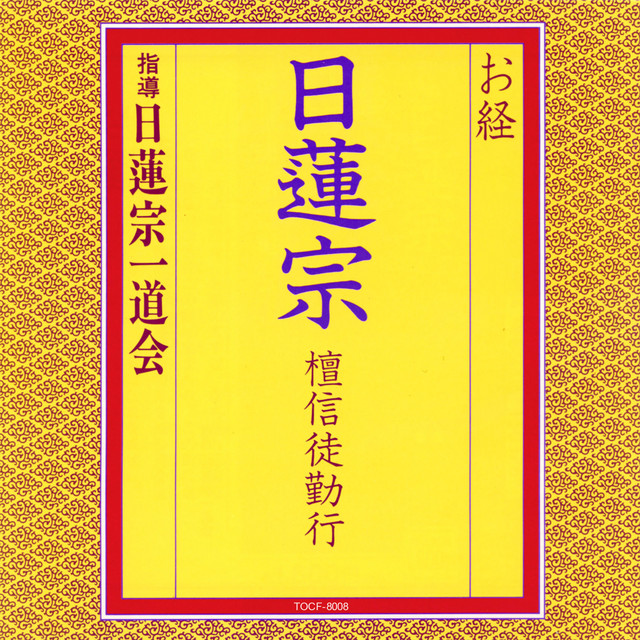
日蓮宗一道会
233
1,253 listeners

6
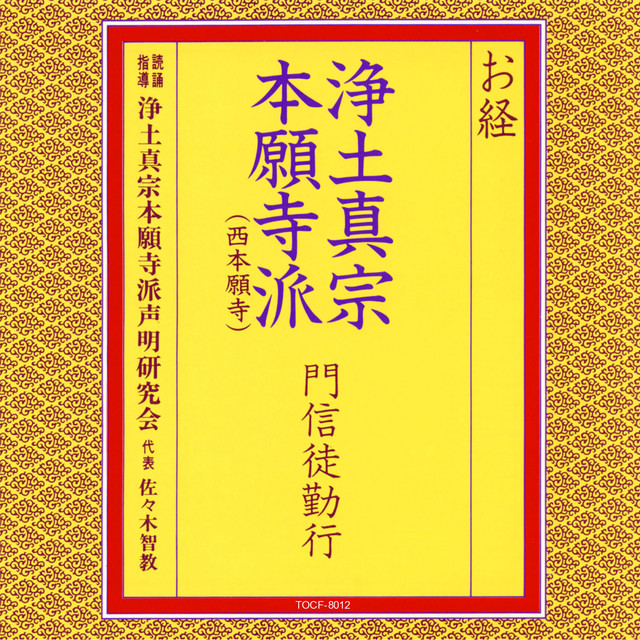
浄土真宗本願寺派声明研究会
373
957 listeners
7

池口恵觀
78
953 listeners
8
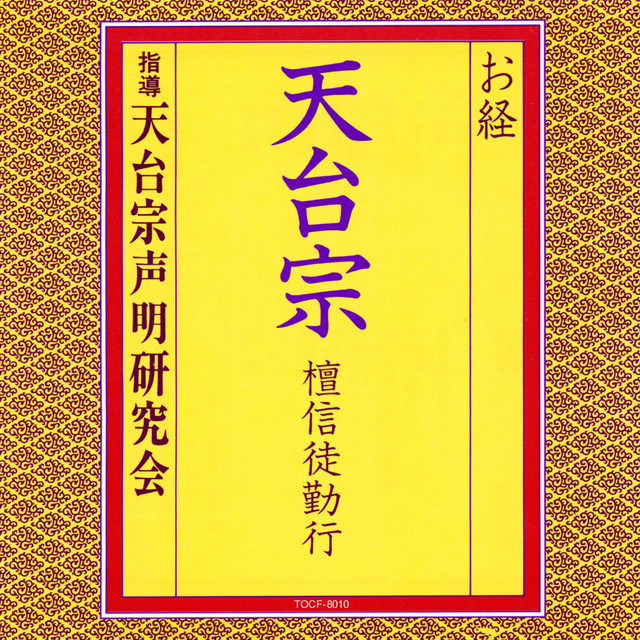
天台宗声明研究会
265
908 listeners
9
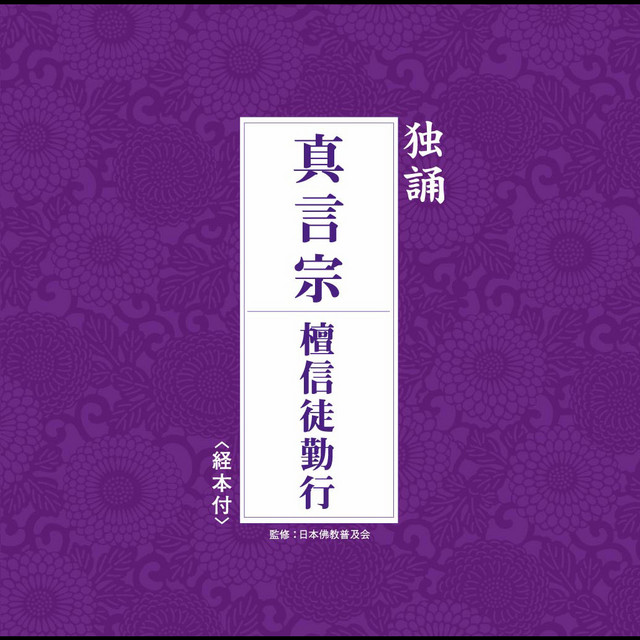
真言宗派京都青年部
119
689 listeners
10

(読誦)大本山永平寺
156
606 listeners
11

(読誦)勤式指導所
90
478 listeners
12
総本山知恩院 法儀司 宍戸栄雄
30
370 listeners
13

真言宗仁和寺教学部
72
291 listeners
15

朝倉行宣
314
257 listeners
16

仏教 瞑想
198
143 listeners

19

大本山池上本門寺
49
77 listeners
21
法華宗大本山本能寺日宏
21
50 listeners
22

総本山知恩院法儀研讃会
37
44 listeners
23

(読誦)御堂衆
6
38 listeners
About Japanese buddhist chant
Japanese Buddhist chant, or shōmyō, is the liturgical vocal music of Japanese Buddhism. It is a living, centuries-old tradition in which monks intone sutras, devotional passages, and ritual formulae in a solemn, meditative cadence. Shōmyō began to take recognizable shape in early Japan, with roots that reach back to the Nara period (7th–8th centuries) as Buddhist rituals were codified and integrated with Japanese language and aesthetics. Its development was strongly influenced by earlier Chinese Buddhist chant and Byōdō rites, but over time it absorbed and expressed a distinctly Japanese vocal style. By the Heian period (9th–12th centuries) it had become a core element of temple ceremonies and courtly ritual, particularly within the Tendai and Shingon traditions, where it accompanied esoteric rites, sutra recitations, and memoriam services.
What defines shōmyō is its contemplative, often unaccompanied vocal line, though some performances incorporate ritual percussion or bells. The vocal delivery is typically austere and measured, emphasizing syllabic clarity, breath control, and a reverberant resonance that invites quiet reflection. The text is usually in classical Japanese or transliterations of Sanskrit and Chinese sutras, sung with a gravity that mirrors the ceremonial purpose of the rites it accompanies. The melodic movement tends to be free in tempo rather than bound by Western metric structures, allowing the chant to breathe and expand within the sacred space of the temple.
Shōmyō serves a variety of ceremonial functions: it marks the invocation of the divine, underpins the recitation of sutras during ordination and memorial rites, and frames meditation and purification rites. The performance environment—temples, shrines, and monasteries—shapes its sound: carved halls, wooden resonance, and the subtle acoustics of sacred spaces give shōmyō its characteristic hush and glow. In many temples, shōmyō is still performed by trained monks, singers who have trained for years in a lineage of chant, preserving a continuity that links contemporary listeners with ancient ritual practice.
In terms of reach, shōmyō remains most deeply rooted in Japan, where it is preserved as part of temple life and scholarly study. Outside Japan, interest tends to arise within Asia through cultural exchange and within Western world-music and academic circles, where researchers, performers, and mindfulness practitioners explore its timbre, ritual context, and meditative qualities. It has found a niche among listeners who seek music with spiritual intention, ceremonial gravity, and a rare, timeless calm that contrasts with more overtly melodic or rhythmic Western genres.
Ambassadors of the genre are primarily the practitioners and custodians within Japanese Buddhist monasteries and temple complexes, especially those tied to Tendai and Shingon lineages, whose choirs and soloists keep the ritual repertoire alive. In contemporary contexts, scholars, ethnomusicologists, and some modern composers have helped translate shōmyō’s significance for new audiences, presenting recordings, lectures, and performances that illuminate its history, techniques, and spiritual purpose. For music enthusiasts, shōmyō offers a window into a deeply rooted spiritual sound-world: austere, reverent, and richly textured by centuries of ceremony. If you seek a genre that embodies restraint as a form of beauty, shōmyō provides a rare, meditative immersion into Japanese sacred sound.
What defines shōmyō is its contemplative, often unaccompanied vocal line, though some performances incorporate ritual percussion or bells. The vocal delivery is typically austere and measured, emphasizing syllabic clarity, breath control, and a reverberant resonance that invites quiet reflection. The text is usually in classical Japanese or transliterations of Sanskrit and Chinese sutras, sung with a gravity that mirrors the ceremonial purpose of the rites it accompanies. The melodic movement tends to be free in tempo rather than bound by Western metric structures, allowing the chant to breathe and expand within the sacred space of the temple.
Shōmyō serves a variety of ceremonial functions: it marks the invocation of the divine, underpins the recitation of sutras during ordination and memorial rites, and frames meditation and purification rites. The performance environment—temples, shrines, and monasteries—shapes its sound: carved halls, wooden resonance, and the subtle acoustics of sacred spaces give shōmyō its characteristic hush and glow. In many temples, shōmyō is still performed by trained monks, singers who have trained for years in a lineage of chant, preserving a continuity that links contemporary listeners with ancient ritual practice.
In terms of reach, shōmyō remains most deeply rooted in Japan, where it is preserved as part of temple life and scholarly study. Outside Japan, interest tends to arise within Asia through cultural exchange and within Western world-music and academic circles, where researchers, performers, and mindfulness practitioners explore its timbre, ritual context, and meditative qualities. It has found a niche among listeners who seek music with spiritual intention, ceremonial gravity, and a rare, timeless calm that contrasts with more overtly melodic or rhythmic Western genres.
Ambassadors of the genre are primarily the practitioners and custodians within Japanese Buddhist monasteries and temple complexes, especially those tied to Tendai and Shingon lineages, whose choirs and soloists keep the ritual repertoire alive. In contemporary contexts, scholars, ethnomusicologists, and some modern composers have helped translate shōmyō’s significance for new audiences, presenting recordings, lectures, and performances that illuminate its history, techniques, and spiritual purpose. For music enthusiasts, shōmyō offers a window into a deeply rooted spiritual sound-world: austere, reverent, and richly textured by centuries of ceremony. If you seek a genre that embodies restraint as a form of beauty, shōmyō provides a rare, meditative immersion into Japanese sacred sound.