Genre
japanese classical performance
Top Japanese classical performance Artists
Showing 25 of 32 artists
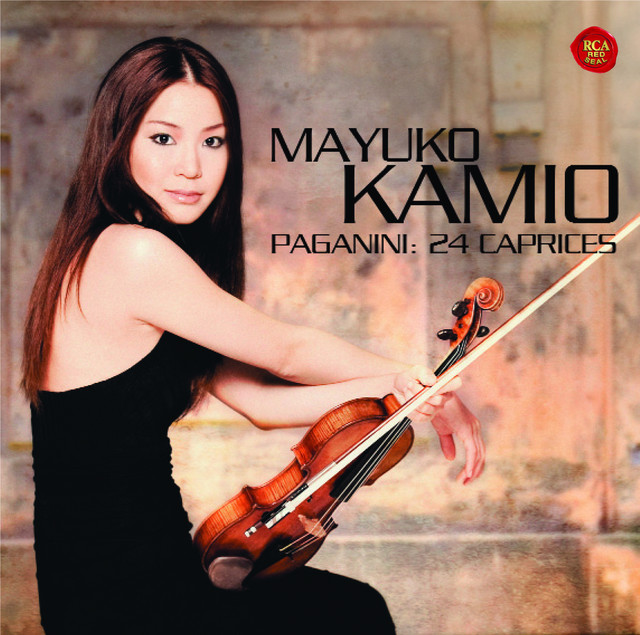

7
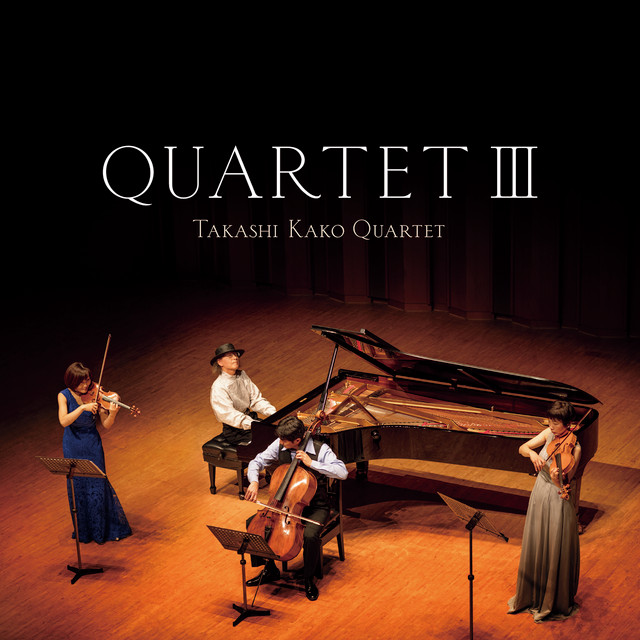
加古隆クァルテット
1,114
5,602 listeners
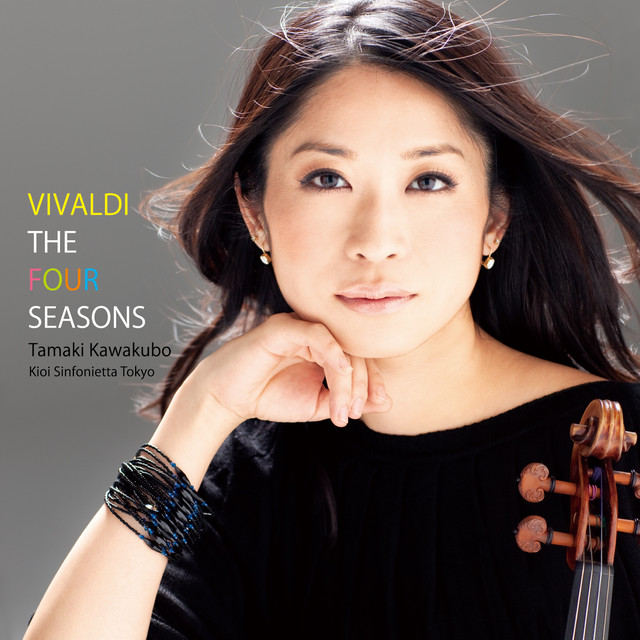
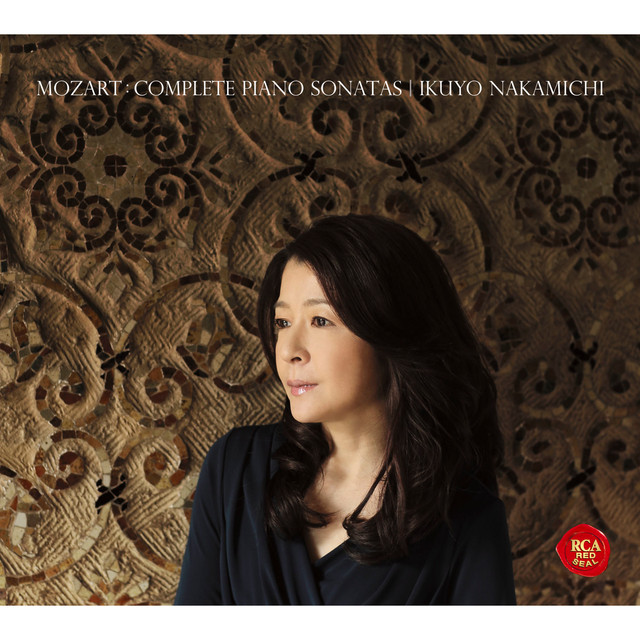

13
古川展生
53
1,696 listeners
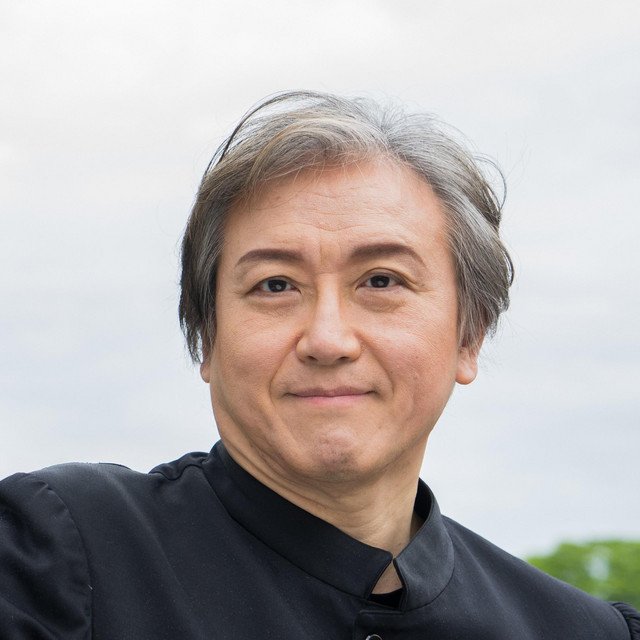
15
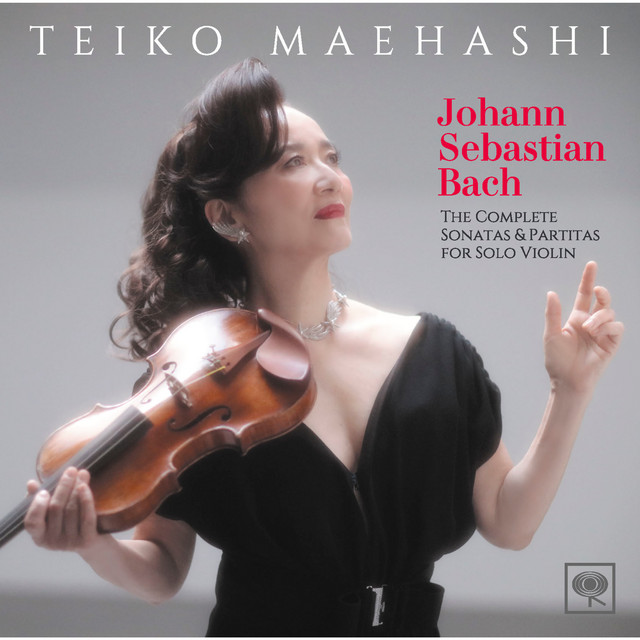
前橋 汀子
Japan
398
824 listeners
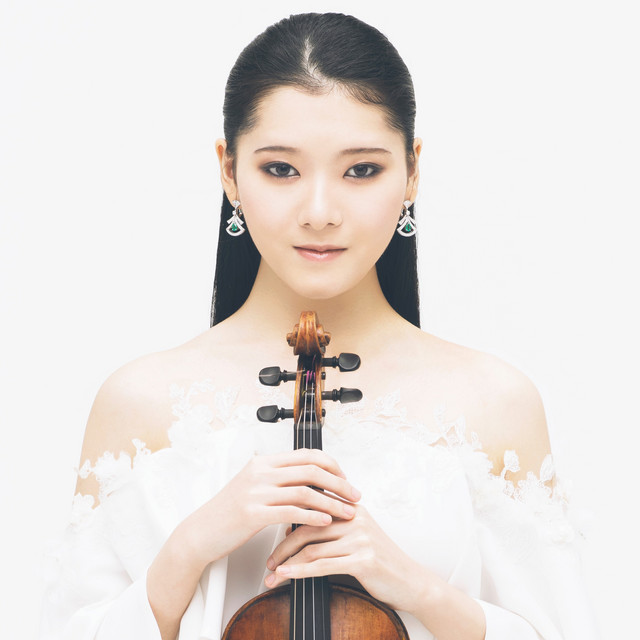


25

正戸里佳
60
38 listeners
About Japanese classical performance
Japanese classical performance is a broad, shimmering umbrella for a tradition that ranges from ancient court and theatre music to contemporary Western-style orchestral and chamber works, all performed with a distinctly Japanese sensibility. It encompasses gagaku and noh-inspired timbres, traditional instruments such as the koto, shamisen, shakuhachi, and biwa, and the innovative chamber and orchestral practices that Japanese composers and performers have contributed since the late 19th century. For enthusiasts, it offers a fathering of ideas: ritual stillness and precise phrasing, plus fearless cross-cultural exploration and vibrant, virtuosic display.
The “birth” of this world splits into two strands. On one side lies gagaku, the imperial court music of Japan, with roots that reach back to the 7th–9th centuries. Performed by ensembles including winds like the hichiriki and ryūteki, and vocal or plucked fare such as the biwa, gagaku established a refined timbral palette and ceremonial cadence that would echo through centuries. On the other side is the modern, Western-influenced classical tradition that began taking formal shape with Meiji-era modernization (late 19th century). Japan’s adoption of Western orchestral and operatic forms, together with state-supported music education and new conservatories, created a home where traditional timbres and new forms could meet. By the early 20th century, composers such as Kosaku Yamada and later Toru Takemitsu, as well as performers who studied abroad, were shaping a distinctly Japanese classical repertoire—one that could be refined, lyrical, and boldly experimental in the same breath.
Key artists and ambassadors illuminate the genre’s reach. Conductor Seiji Ozawa became a global ambassador, guiding major orchestras and festival stages with a Japanese-inflected precision and warmth. Pianist Mitsuko Uchida has championed classical core repertoire—often Mozart, Beethoven, and Chopin—with a clarity of touch that resonates across continents, making her a prominent representative of Japanese classical performance on the world stage. Violinist Midori Goto, a prodigy who matured into an enduring ambassador of Japanese musical excellence, has brought a fearless technicality and emotive clarity to audiences worldwide. Composer and sound-world pioneer Toru Takemitsu, though primarily a creator of original works, remains a towering figure in how Japanese and Western languages fuse in concert music. In the realm of performance and percussion, the taiko ensembles of Kodo and contemporary percussionists broaden the reach of Japanese timbres far beyond traditional concert halls. Ryuichi Sakamoto’s synthesis of electronic, cinematic, and orchestral textures further exemplifies how Japanese artists continually redefine what “Japanese classical performance” can sound like.
Geographically, Japan is the center, but the genre enjoys strong international audiences. The United States and Europe host vibrant performances and festivals presenting Takemitsu, Yamada, Uchida, Ozawa, and newer generations. Kodo tours the world, bringing the energy of Japanese percussion to diverse stages. In East Asia, North America, and parts of Latin America, audiences flock to concerts that honor both the traditional roots and contemporary innovations of Japanese classical performance.
In short, Japanese classical performance is a living continuum: ancient ritual timbres meeting modern orchestration, performed with a poise and curiosity that keeps evolving while honoring a deep, century-spanning musical memory.
The “birth” of this world splits into two strands. On one side lies gagaku, the imperial court music of Japan, with roots that reach back to the 7th–9th centuries. Performed by ensembles including winds like the hichiriki and ryūteki, and vocal or plucked fare such as the biwa, gagaku established a refined timbral palette and ceremonial cadence that would echo through centuries. On the other side is the modern, Western-influenced classical tradition that began taking formal shape with Meiji-era modernization (late 19th century). Japan’s adoption of Western orchestral and operatic forms, together with state-supported music education and new conservatories, created a home where traditional timbres and new forms could meet. By the early 20th century, composers such as Kosaku Yamada and later Toru Takemitsu, as well as performers who studied abroad, were shaping a distinctly Japanese classical repertoire—one that could be refined, lyrical, and boldly experimental in the same breath.
Key artists and ambassadors illuminate the genre’s reach. Conductor Seiji Ozawa became a global ambassador, guiding major orchestras and festival stages with a Japanese-inflected precision and warmth. Pianist Mitsuko Uchida has championed classical core repertoire—often Mozart, Beethoven, and Chopin—with a clarity of touch that resonates across continents, making her a prominent representative of Japanese classical performance on the world stage. Violinist Midori Goto, a prodigy who matured into an enduring ambassador of Japanese musical excellence, has brought a fearless technicality and emotive clarity to audiences worldwide. Composer and sound-world pioneer Toru Takemitsu, though primarily a creator of original works, remains a towering figure in how Japanese and Western languages fuse in concert music. In the realm of performance and percussion, the taiko ensembles of Kodo and contemporary percussionists broaden the reach of Japanese timbres far beyond traditional concert halls. Ryuichi Sakamoto’s synthesis of electronic, cinematic, and orchestral textures further exemplifies how Japanese artists continually redefine what “Japanese classical performance” can sound like.
Geographically, Japan is the center, but the genre enjoys strong international audiences. The United States and Europe host vibrant performances and festivals presenting Takemitsu, Yamada, Uchida, Ozawa, and newer generations. Kodo tours the world, bringing the energy of Japanese percussion to diverse stages. In East Asia, North America, and parts of Latin America, audiences flock to concerts that honor both the traditional roots and contemporary innovations of Japanese classical performance.
In short, Japanese classical performance is a living continuum: ancient ritual timbres meeting modern orchestration, performed with a poise and curiosity that keeps evolving while honoring a deep, century-spanning musical memory.