Genre
japanese classical piano
Top Japanese classical piano Artists
Showing 25 of 33 artists


4

津田真理
91
6,321 listeners
5

三浦友理枝
Japan
357
2,747 listeners

7
園田高弘
48
1,131 listeners
8
藤原亜美
36
998 listeners
9

中村芙悠子
57
811 listeners
10

瀬尾久仁 & 加藤真一郎 ピアノデュオ
30
765 listeners


15

川上昌裕
319
332 listeners


19
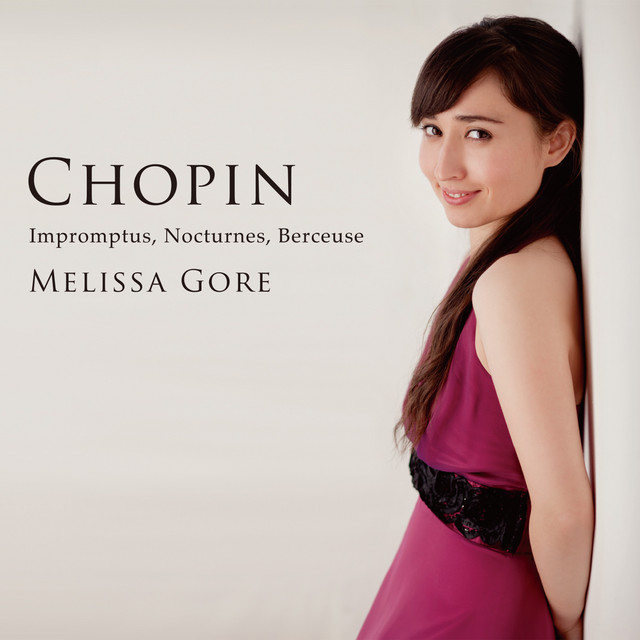
ゴウ芽里沙
50
90 listeners

21

今井 顕
46
49 listeners

23

松本望
20
20 listeners

About Japanese classical piano
Japanese classical piano is a contemporary label for the expansive Western piano tradition filtered through Japanese sensibility, timing, and practice. It isn’t a single national school, but a distinct strand of performance and repertoire that grew up in Japan’s fast-changing modern era and found its most expressive voice in the hands of Japanese artists.
The genre’s birth is tied to Japan’s Meiji Restoration in the late 19th century, when the country opened to Western music as part of its modernization. Pianos were imported, concert halls and conservatories appeared, and Japanese students began studying Western tonal systems, technique, and interpretation. By the early 20th century, Japanese pianists and composers were translating a global piano canon—Beethoven, Chopin, Debussy, and later Schoenberg—into a language that could be absorbed, refined, and reimagined in Japanese cultural codes. The result was not imitation but a precise, often introspective approach to tone, rhythm, and touch, forged in a climate of rigorous training and deep listening.
In practice, Japanese classical piano encompasses both the performance of standard European repertoire with a distinctive clarity and color, and the creation of original works by Japanese composers that respond to piano as a medium for reflection on nature, memory, and urban life. The language tends to prize control, lyricism, and a rare economy of motion: a touch that can be both silvery and poised, a pedaling that preserves shape and resonance, and a musicality that favors long, unhurried phrases over flashy display. Contemporary players frequently blend meticulous technique with an ear for spacious dynamics and subtle timbres, cultivating a sound world that can feel intimate yet articulate to international audiences.
Key ambassadors and contemporary icons help define the genre for listeners today. Mitsuko Uchida stands as one of the most celebrated ambassadors of Japanese piano artistry, renowned for her crisp classical articulation, insightful musical architecture, and a deep affinity for Mozart, Beethoven, and Schubert. She exemplifies how Japanese performers can bring a pristine, poetically restrained elegance to European masterpieces while carrying a personal interpretive voice. Another central figure is Nobuyuki Tsujii, a blind pianist whose performances of Chopin, Liszt, and contemporary works have brought powerful, emotionally direct storytelling to concert stages worldwide. Tsujii’s career highlights how Japanese pianism can be both technically exact and emotionally expansive, bridging cultural expectations with universal accessibility. Together, these artists symbolize a lineage that is technical, refined, and emotionally resonant—qualities often associated with Japanese piano performance today.
Geographically, the genre remains most popular in Japan, where a dense network of conservatories, festivals, and concert halls sustains a vibrant piano culture. It has strong international visibility as well, particularly in Europe and North America, where audiences prize the precision and clarity that many Japanese pianists bring to canonical works and where modern Japanese composers contribute fresh, thoughtfully crafted repertoire. For enthusiasts, Japanese classical piano offers a curated blend: the masterful shaping of Western classics filtered through the discipline, attention to tone, and interpretive sensibility that characterize a distinct, contemporary Japanese approach to the piano.
The genre’s birth is tied to Japan’s Meiji Restoration in the late 19th century, when the country opened to Western music as part of its modernization. Pianos were imported, concert halls and conservatories appeared, and Japanese students began studying Western tonal systems, technique, and interpretation. By the early 20th century, Japanese pianists and composers were translating a global piano canon—Beethoven, Chopin, Debussy, and later Schoenberg—into a language that could be absorbed, refined, and reimagined in Japanese cultural codes. The result was not imitation but a precise, often introspective approach to tone, rhythm, and touch, forged in a climate of rigorous training and deep listening.
In practice, Japanese classical piano encompasses both the performance of standard European repertoire with a distinctive clarity and color, and the creation of original works by Japanese composers that respond to piano as a medium for reflection on nature, memory, and urban life. The language tends to prize control, lyricism, and a rare economy of motion: a touch that can be both silvery and poised, a pedaling that preserves shape and resonance, and a musicality that favors long, unhurried phrases over flashy display. Contemporary players frequently blend meticulous technique with an ear for spacious dynamics and subtle timbres, cultivating a sound world that can feel intimate yet articulate to international audiences.
Key ambassadors and contemporary icons help define the genre for listeners today. Mitsuko Uchida stands as one of the most celebrated ambassadors of Japanese piano artistry, renowned for her crisp classical articulation, insightful musical architecture, and a deep affinity for Mozart, Beethoven, and Schubert. She exemplifies how Japanese performers can bring a pristine, poetically restrained elegance to European masterpieces while carrying a personal interpretive voice. Another central figure is Nobuyuki Tsujii, a blind pianist whose performances of Chopin, Liszt, and contemporary works have brought powerful, emotionally direct storytelling to concert stages worldwide. Tsujii’s career highlights how Japanese pianism can be both technically exact and emotionally expansive, bridging cultural expectations with universal accessibility. Together, these artists symbolize a lineage that is technical, refined, and emotionally resonant—qualities often associated with Japanese piano performance today.
Geographically, the genre remains most popular in Japan, where a dense network of conservatories, festivals, and concert halls sustains a vibrant piano culture. It has strong international visibility as well, particularly in Europe and North America, where audiences prize the precision and clarity that many Japanese pianists bring to canonical works and where modern Japanese composers contribute fresh, thoughtfully crafted repertoire. For enthusiasts, Japanese classical piano offers a curated blend: the masterful shaping of Western classics filtered through the discipline, attention to tone, and interpretive sensibility that characterize a distinct, contemporary Japanese approach to the piano.