Genre
japanese contemporary classical
Top Japanese contemporary classical Artists
Showing 23 of 23 artists
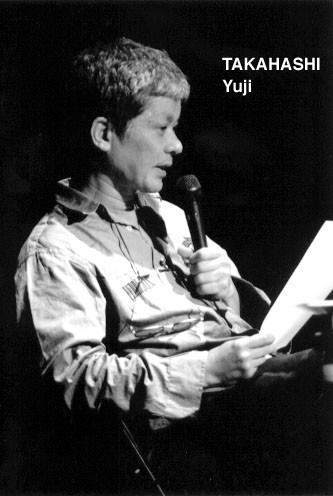

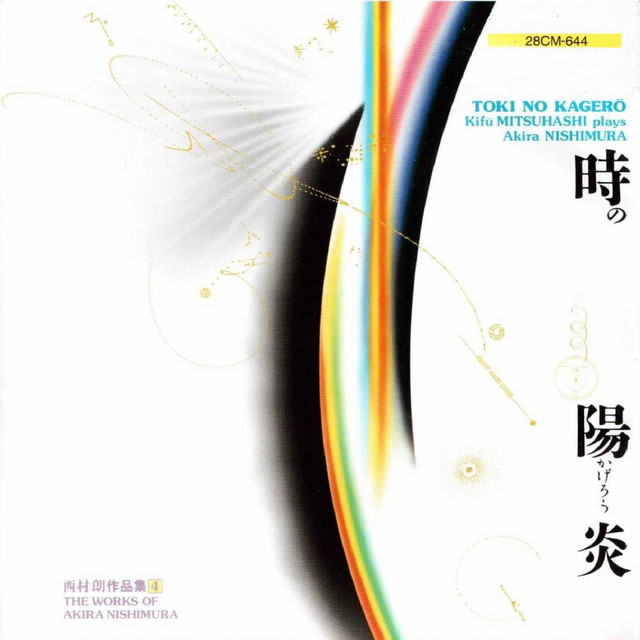

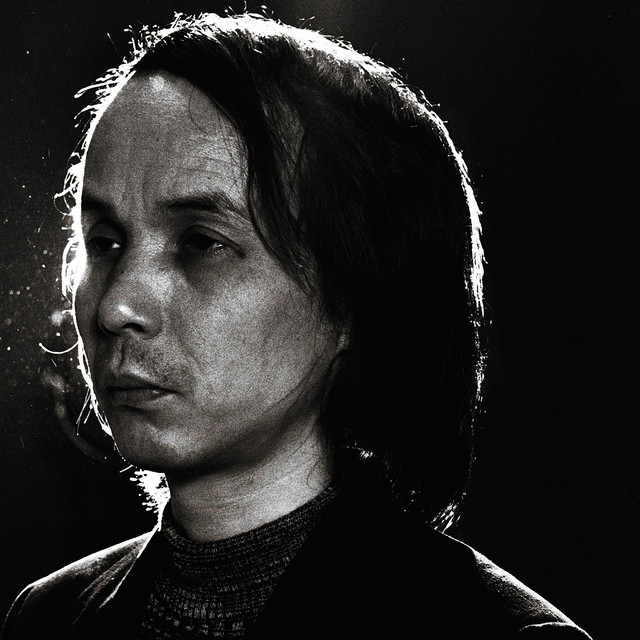
9
石桁真礼生
4
7 listeners


22

三瀬和朗
1
- listeners

About Japanese contemporary classical
Japanese contemporary classical is a vibrant, boundary-pushing strand of art music that grew out of Japan’s postwar search for a language that could fuse its deep traditional sound world with Western modernism. In the 1950s and 60s, composers such as Toru Takemitsu began to braid Japanese timbres—shakuhachi, koto, biwa, nature-inspired sonorities—with avant-garde techniques from Europe and America. This synthesis gave birth to a distinctly cinematic, tactile sound that prizes color, space, and silence as musical building blocks. Takemitsu’s willingness to blend East and West—along with his sensitivity to the musical continuum between gesture and atmosphere—made him a towering figure and an enduring ambassador for the genre.
A defining feature of Japanese contemporary classical is its fearless attention to timbre and texture. Composers often treat sound itself as a primary material, crafting expansive sonic landscapes rather than imposing dense, rhythmic counterpoint. The music frequently juxtaposes minimal, meditative passages with sudden, lucid bursts of color. Traditional Japanese timbres can appear alongside Western orchestration, electronics, or hybrid ensembles, creating hybrids that feel both intimate and expansive. The result is music that rewards slow listening, careful listening, and a willingness to follow subtle shifts in mood, space, and resonance.
Among the leading figures who have helped shape the field on the international stage, three names stand out as ambassadors of the contemporary Japanese idiom:
- Toru Takemitsu (1930–1996): the grand pioneer who fused Western modernism with Japanese aesthetics. His works for orchestra, choir, chamber ensembles, and film music—often characterized by luminous timbres and atmospheric pacing—remains touchstones for the genre.
- Toshio Hosokawa (b. 1955): a master of textural, shimmering soundscapes that draw deeply on Japanese aesthetics and Zen-inflected silence, while remaining deeply idiomatic to Western contemporary music practice. His works for orchestra, chamber groups, and opera are widely performed across Europe and North America.
- Dai Fujikura (b. 1977): a leading voice of the younger generation, known for expressive immediacy, lucid structures, and a willingness to collide tradition with contemporary techniques. His music is frequently programmed by major ensembles and festivals worldwide, signaling the genre’s continuing vitality.
Geographically, Japanese contemporary classical remains rooted in Japan but has found strong resonance in Europe and North America. Germany, the United Kingdom, France, and the Netherlands host robust performing-arts ecosystems where orchestras and ensembles program works by Takemitsu, Hosokawa, Fujikura, and peers. The genre also travels to international festivals and concert halls, where it attracts curious listeners who seek music that merges contemplative beauty with acute modern edge. Beyond the West, growing interest in East Asian contemporary music—Korea, China, Taiwan, and Southeast Asia—adds fresh audiences and new collaborations, enriching the global dialogue.
For enthusiasts, this repertory offers a listening experience that is deeply atmospheric yet rigorously contemporary. It invites attention to texture, timing, and the subtle choreography between Eastern sensibility and Western technique. If you crave music that feels both culturally rooted and globally literate, Japanese contemporary classical is a rewarding field to explore—where stillness can become a doorway to revelation, and sound can speak in a language that transcends borders. For a starting point, explore Takemitsu’s orchestral contours, Hosokawa’s textural finesse, and Fujikura’s vivid contemporary idiom, then allow the music to unfold at its own, patient pace.
A defining feature of Japanese contemporary classical is its fearless attention to timbre and texture. Composers often treat sound itself as a primary material, crafting expansive sonic landscapes rather than imposing dense, rhythmic counterpoint. The music frequently juxtaposes minimal, meditative passages with sudden, lucid bursts of color. Traditional Japanese timbres can appear alongside Western orchestration, electronics, or hybrid ensembles, creating hybrids that feel both intimate and expansive. The result is music that rewards slow listening, careful listening, and a willingness to follow subtle shifts in mood, space, and resonance.
Among the leading figures who have helped shape the field on the international stage, three names stand out as ambassadors of the contemporary Japanese idiom:
- Toru Takemitsu (1930–1996): the grand pioneer who fused Western modernism with Japanese aesthetics. His works for orchestra, choir, chamber ensembles, and film music—often characterized by luminous timbres and atmospheric pacing—remains touchstones for the genre.
- Toshio Hosokawa (b. 1955): a master of textural, shimmering soundscapes that draw deeply on Japanese aesthetics and Zen-inflected silence, while remaining deeply idiomatic to Western contemporary music practice. His works for orchestra, chamber groups, and opera are widely performed across Europe and North America.
- Dai Fujikura (b. 1977): a leading voice of the younger generation, known for expressive immediacy, lucid structures, and a willingness to collide tradition with contemporary techniques. His music is frequently programmed by major ensembles and festivals worldwide, signaling the genre’s continuing vitality.
Geographically, Japanese contemporary classical remains rooted in Japan but has found strong resonance in Europe and North America. Germany, the United Kingdom, France, and the Netherlands host robust performing-arts ecosystems where orchestras and ensembles program works by Takemitsu, Hosokawa, Fujikura, and peers. The genre also travels to international festivals and concert halls, where it attracts curious listeners who seek music that merges contemplative beauty with acute modern edge. Beyond the West, growing interest in East Asian contemporary music—Korea, China, Taiwan, and Southeast Asia—adds fresh audiences and new collaborations, enriching the global dialogue.
For enthusiasts, this repertory offers a listening experience that is deeply atmospheric yet rigorously contemporary. It invites attention to texture, timing, and the subtle choreography between Eastern sensibility and Western technique. If you crave music that feels both culturally rooted and globally literate, Japanese contemporary classical is a rewarding field to explore—where stillness can become a doorway to revelation, and sound can speak in a language that transcends borders. For a starting point, explore Takemitsu’s orchestral contours, Hosokawa’s textural finesse, and Fujikura’s vivid contemporary idiom, then allow the music to unfold at its own, patient pace.