Genre
japanese drill
Top Japanese drill Artists
Showing 11 of 11 artists
1

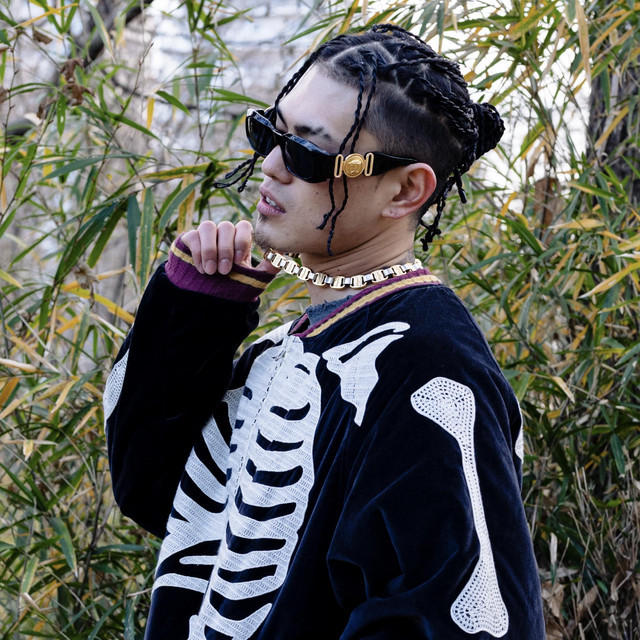
大神
891
525 listeners




About Japanese drill
Japanese drill is a Japanese take on the global drill movement, a high-energy subgenre that fuses the skeletal, bass-heavy groove of drill with Japanese language and local urban sensibilities. Born from the same drill lineage that started in Chicago in the late 2000s and was popularized in the UK in the mid-2010s, Japanese drill began to take shape in Japan toward the latter half of the 2010s. It arrived as internet-driven artists and producers in Tokyo, Osaka, and beyond started experimenting with the tempo, cadence, and mood of drill while speaking in native slang and delivering flows that feel distinctly Japanese.
Sonic characteristics anchor the sound: hard-hitting 808s, tight, punchy snare hits, and rapid, staccato hi-hats that push the tempo forward at roughly the 140–150 BPM zone. The production often leans into minimal, moody backdrops—dark piano lines, distant ambience, and a sense of tension that mirrors the urban landscape—so the rapper’s delivery drives the track. In Japanese drill, the cadence can be razor-sharp and clipped, with a focus on precise consonants and punchy syllables that translate well into Japanese’s syllabic rhythm. The result is music that sounds both menacing and melodic, with space for storytelling that ranges from street realism to personal reflections.
Lyrically, the themes mirror drill’s global DNA: street life, risk, loyalty, resilience, and social observation. But the Japanese lens adds local texture: references to city life in Tokyo’s neon corridors, Osaka’s nightlife, or hometown struggles; occasional bilingual phrases or English phrases tucked into a Japanese verse; and a cultural cadence that resonates with Japanese listeners who are already immersed in a vibrant indie-rap and hip-hop ecosystem. Artists often balance aggression with introspection, painting portraits of pressure and perseverance that feel unmistakably contemporary to Japan’s youth.
The scene’s ambassadors are a constellation of rising MCs, beatmakers, and collectives working across major Japanese cities. While the strongest early signals came from Tokyo and Osaka, other urban hubs have contributed voices and sounds, creating a network of collaborators. The scene is reinforced by forward-looking labels, online communities, and video platforms that spotlight new releases, freestyles, and collaborations with international producers. The cross-pollination with overseas producers and artists—especially from the UK and the broader global drill community—has helped shape the palette and exposed Japanese drill to a wider audience.
Geographically, Japanese drill remains most popular in Japan, where fans respond to the language-specific flow and culturally resonant references. International interest has grown as streaming and short-form video enable quick cross-border sharing; listeners in the UK, United States, and other parts of Asia latch onto Japanese drill tracks that feel both familiar and novel. The genre continues to evolve as new crews emerge, producers push innovative textures, and Turkish, Korean, or other Asian influences begin to appear in collaborations and remixes.
In short, Japanese drill is a living, evolving hybrid: a native response to a global drill phenomenon, filtered through Japan’s language, urban experiences, and creative energy. It’s a scene that rewards close listening, keen sense of rhythm, and a taste for music that strikes hard and stays ready to evolve. If you’re curious about the next wave of drill—even in another language—the Japanese variant is a compelling chapter to explore.
Sonic characteristics anchor the sound: hard-hitting 808s, tight, punchy snare hits, and rapid, staccato hi-hats that push the tempo forward at roughly the 140–150 BPM zone. The production often leans into minimal, moody backdrops—dark piano lines, distant ambience, and a sense of tension that mirrors the urban landscape—so the rapper’s delivery drives the track. In Japanese drill, the cadence can be razor-sharp and clipped, with a focus on precise consonants and punchy syllables that translate well into Japanese’s syllabic rhythm. The result is music that sounds both menacing and melodic, with space for storytelling that ranges from street realism to personal reflections.
Lyrically, the themes mirror drill’s global DNA: street life, risk, loyalty, resilience, and social observation. But the Japanese lens adds local texture: references to city life in Tokyo’s neon corridors, Osaka’s nightlife, or hometown struggles; occasional bilingual phrases or English phrases tucked into a Japanese verse; and a cultural cadence that resonates with Japanese listeners who are already immersed in a vibrant indie-rap and hip-hop ecosystem. Artists often balance aggression with introspection, painting portraits of pressure and perseverance that feel unmistakably contemporary to Japan’s youth.
The scene’s ambassadors are a constellation of rising MCs, beatmakers, and collectives working across major Japanese cities. While the strongest early signals came from Tokyo and Osaka, other urban hubs have contributed voices and sounds, creating a network of collaborators. The scene is reinforced by forward-looking labels, online communities, and video platforms that spotlight new releases, freestyles, and collaborations with international producers. The cross-pollination with overseas producers and artists—especially from the UK and the broader global drill community—has helped shape the palette and exposed Japanese drill to a wider audience.
Geographically, Japanese drill remains most popular in Japan, where fans respond to the language-specific flow and culturally resonant references. International interest has grown as streaming and short-form video enable quick cross-border sharing; listeners in the UK, United States, and other parts of Asia latch onto Japanese drill tracks that feel both familiar and novel. The genre continues to evolve as new crews emerge, producers push innovative textures, and Turkish, Korean, or other Asian influences begin to appear in collaborations and remixes.
In short, Japanese drill is a living, evolving hybrid: a native response to a global drill phenomenon, filtered through Japan’s language, urban experiences, and creative energy. It’s a scene that rewards close listening, keen sense of rhythm, and a taste for music that strikes hard and stays ready to evolve. If you’re curious about the next wave of drill—even in another language—the Japanese variant is a compelling chapter to explore.