Genre
japanese dub
Top Japanese dub Artists
Showing 7 of 7 artists


4
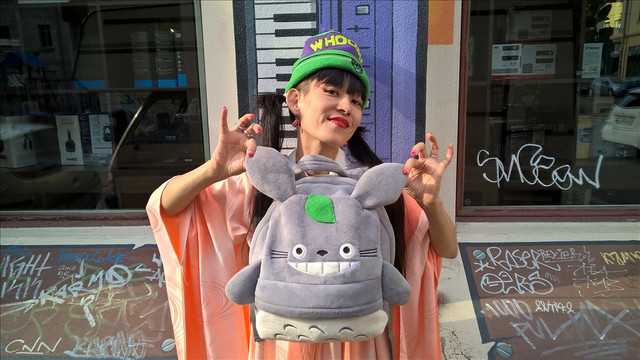
タイロン・ダウニー
47
1,012 listeners


About Japanese dub
Japanese dub is a distinctly Japanese interpretation of the global dub reggae ethos, growing out of Jamaica’s sound system tradition while developing its own local voice. Born from the broader reggae culture that took root in Japan in the late 1970s and 1980s, Japanese dub centers on studio craft, live mixing, and the deep, resonant bass that characterizes the genre. It took the core techniques of dub—bass-driven rhythms, heavy use of reverb and delay, tape-echo improvisation, and the art of remixing on the fly—and translated them into a Japanese context: meticulous studio work, club-friendly tempos, and a preference for space, texture, and atmosphere over quick cuts.
Historically, the scene flourished as reggae and sound-system culture found a home in Japanese cities. Clubs, record shops, and radio programs became gathering places where producers and selectors experimented with the dub recipe: flattening the mix to emphasize the bass, sprinkling echoes, and “riding the reverb” to carve space within tracks. Over time, Japanese dub evolved beyond strict roots reggae into a broader spectrum that embraces electronic experimentation, incorporating elements of dub techno, ambient, trip-hop, and modern electronic production. This evolution helped the genre reach new audiences while staying anchored in its core philosophies: radical sound design, conscious and meditative vibes, and the deft handling of live dubbing techniques in studio and on stage.
The sound of Japanese dub is often described as warm, organic, and tactile. It owes much to analog sensibilities—tape delay, spring reverb, plate reverbs, and carefully miked instruments that preserve human imperfections and hiss as part of the texture. Yet it also embraces digital tools and synthesis, allowing producers to sculpt cavernous spaces, pulsing sub-bass lines, and glitchy, atmospheric microtextures. The result can feel at once retro and forward-looking: a bridge between classic roots interfaces and contemporary electronic sound design.
Geographically, Japan remains the central hub, with Tokyo and Osaka standing as major centers where studios, labels, and sound systems converge. But the appeal of Japanese dub has rippled outward, finding appreciative audiences and practitioners across Europe and North America within reggae/dub circles, experimental music scenes, and the wider bass music community. Festivals, radio shows, and curated nights dedicated to dub and its Japanese variants have helped sustain an international dialogue, inviting collaborations, cross-pollination with techno and ambient artists, and international tours that bring Japanese-stage dubbing techniques to audiences worldwide.
In short, Japanese dub is a genre built on a shared love for deep bass, atmospheric textures, and the art of dubbing—a tradition that remains surprisingly nimble, able to sit comfortably alongside both roots-oriented reggae and contemporary electronic experimentation. If you’re exploring the scene, listen for the emphasis on space, the tactile warmth of analog gear, and the patient, studio-crafted approach to creating immersive, dub-rich landscapes. If you’d like, I can add a list of verified artists and key labels to spotlight specific contributors and moments in the scene.
Historically, the scene flourished as reggae and sound-system culture found a home in Japanese cities. Clubs, record shops, and radio programs became gathering places where producers and selectors experimented with the dub recipe: flattening the mix to emphasize the bass, sprinkling echoes, and “riding the reverb” to carve space within tracks. Over time, Japanese dub evolved beyond strict roots reggae into a broader spectrum that embraces electronic experimentation, incorporating elements of dub techno, ambient, trip-hop, and modern electronic production. This evolution helped the genre reach new audiences while staying anchored in its core philosophies: radical sound design, conscious and meditative vibes, and the deft handling of live dubbing techniques in studio and on stage.
The sound of Japanese dub is often described as warm, organic, and tactile. It owes much to analog sensibilities—tape delay, spring reverb, plate reverbs, and carefully miked instruments that preserve human imperfections and hiss as part of the texture. Yet it also embraces digital tools and synthesis, allowing producers to sculpt cavernous spaces, pulsing sub-bass lines, and glitchy, atmospheric microtextures. The result can feel at once retro and forward-looking: a bridge between classic roots interfaces and contemporary electronic sound design.
Geographically, Japan remains the central hub, with Tokyo and Osaka standing as major centers where studios, labels, and sound systems converge. But the appeal of Japanese dub has rippled outward, finding appreciative audiences and practitioners across Europe and North America within reggae/dub circles, experimental music scenes, and the wider bass music community. Festivals, radio shows, and curated nights dedicated to dub and its Japanese variants have helped sustain an international dialogue, inviting collaborations, cross-pollination with techno and ambient artists, and international tours that bring Japanese-stage dubbing techniques to audiences worldwide.
In short, Japanese dub is a genre built on a shared love for deep bass, atmospheric textures, and the art of dubbing—a tradition that remains surprisingly nimble, able to sit comfortably alongside both roots-oriented reggae and contemporary electronic experimentation. If you’re exploring the scene, listen for the emphasis on space, the tactile warmth of analog gear, and the patient, studio-crafted approach to creating immersive, dub-rich landscapes. If you’d like, I can add a list of verified artists and key labels to spotlight specific contributors and moments in the scene.