Genre
japanese indie rock
Top Japanese indie rock Artists
Showing 24 of 24 artists
1
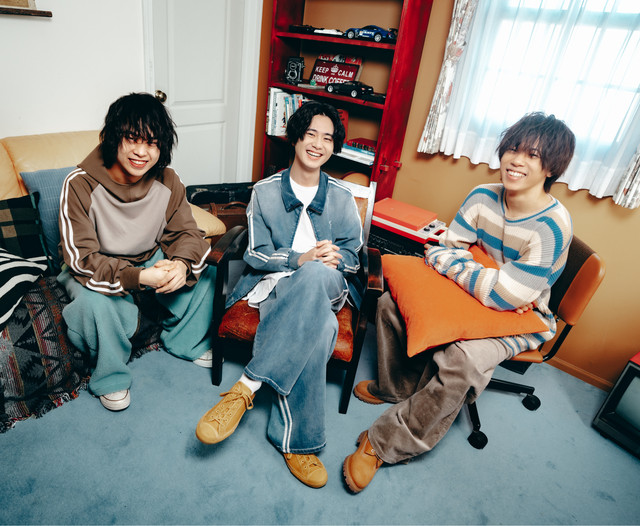
かたこと
Japan
5,318
5,394 listeners
2
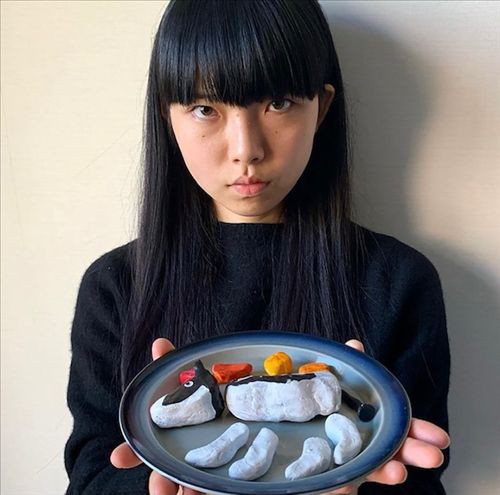
大和那南
Japan
5,094
1,660 listeners

About Japanese indie rock
Japanese indie rock is a guitar-centered, DIY-minded branch of Japan’s underground music that grew up in the late 1980s and 1990s as a counterpoint to glossy J-pop and state‑sponsored rock. It bundled Western indie influences—post-punk, noise, and the raucous energy of garage rock—with a distinctly Japanese sensibility: music that could be intimate and introspective, abrasive and playful, melodic and experimental all at once. The scene didn’t arrive with a single moment, but rather through a chorus of bands, small labels, indie venues, and zines that slowly mapped a more autonomous, youth-driven soundscape across Tokyo, Osaka, and beyond.
Origins and birth are tied to urban pockets where students and musicians could experiment outside major-label channels. Shimokitazawa’s tight-knit clubs, Osaka’s rougher edge, and Tokyo’s sprawling indie networks offered spaces for rehearsal rooms, fanzines, and intimate live shows. Importantly, the music drew from a global indie lineage—DIY ethics, lo-fi textures, jangly or angular guitars, and a willingness to blur genres. The result was a genre that could evoke intimate confessionals on one track and thunderous ideation on the next, often coded in Japanese but with an emotional vocabulary that resonated clubs and festivals abroad.
Musically, Japanese indie rock embraces variety while maintaining a recognizable thread: guitar-forward arrangements with adventurous but legible songcraft. You’ll hear jangly chords, crisp or muddy lo-fi textures, and rhythm sections that swing between tight, punk-inflected drive and fatigue‑free groove. Some acts lean toward emo‑tinged sincerity, others toward post‑rock atmospherics, and others toward math‑rock precision. Lyrically, the scene tends to be emotionally direct, sometimes personal and introspective, sometimes observational and wry, with English phrases appearing as nods to global indie culture. The genre also intersects with related scenes—noise rock, thrash‑pop, and Shibuya-kei‑adjacent experimental pop—creating a spectrum rather than a single formula.
Key artists and ambassadors help illuminate the spectrum. Number Girl, for example, from Osaka, is widely cited as a catalyst for modern J‑indie’s aggressive, punk‑intense edge and melodic experimentation. Shonen Knife, the Osaka sisters’ garage-pop outfit, helped bring attention to Japanese indie sensibilities through adventurous international touring and a cheerful, rebellious spirit. The Pillows, a Tokyo‑based alt‑rock act, gained global visibility through anime soundtracks and a long career that bridged underground and broader audiences. Toe, a Tokyo duo/collective, is celebrated for its instrumentally focused, math‑inflected post‑rock that traveled far on indie circuits. Sakanaction, formed in 2005, fused indie rock with electronic textures and pop hooks, becoming a modern ambassador of the scene’s evolving, cross‑genre identity.
Global reach remains strongest in Japan, where the scene continues to influence new bands and soundtracks. Internationally, fans in the United States, Europe, and parts of Asia have discovered Japanese indie rock through festival appearances, curated playlists, and the continued export of anime and indie indie labels. In short, it’s a living, evolving ecosystem: rooted in local scenes, defined by a DIY ethic, and still capable of surprising both longtime enthusiasts and curious newcomers.
Origins and birth are tied to urban pockets where students and musicians could experiment outside major-label channels. Shimokitazawa’s tight-knit clubs, Osaka’s rougher edge, and Tokyo’s sprawling indie networks offered spaces for rehearsal rooms, fanzines, and intimate live shows. Importantly, the music drew from a global indie lineage—DIY ethics, lo-fi textures, jangly or angular guitars, and a willingness to blur genres. The result was a genre that could evoke intimate confessionals on one track and thunderous ideation on the next, often coded in Japanese but with an emotional vocabulary that resonated clubs and festivals abroad.
Musically, Japanese indie rock embraces variety while maintaining a recognizable thread: guitar-forward arrangements with adventurous but legible songcraft. You’ll hear jangly chords, crisp or muddy lo-fi textures, and rhythm sections that swing between tight, punk-inflected drive and fatigue‑free groove. Some acts lean toward emo‑tinged sincerity, others toward post‑rock atmospherics, and others toward math‑rock precision. Lyrically, the scene tends to be emotionally direct, sometimes personal and introspective, sometimes observational and wry, with English phrases appearing as nods to global indie culture. The genre also intersects with related scenes—noise rock, thrash‑pop, and Shibuya-kei‑adjacent experimental pop—creating a spectrum rather than a single formula.
Key artists and ambassadors help illuminate the spectrum. Number Girl, for example, from Osaka, is widely cited as a catalyst for modern J‑indie’s aggressive, punk‑intense edge and melodic experimentation. Shonen Knife, the Osaka sisters’ garage-pop outfit, helped bring attention to Japanese indie sensibilities through adventurous international touring and a cheerful, rebellious spirit. The Pillows, a Tokyo‑based alt‑rock act, gained global visibility through anime soundtracks and a long career that bridged underground and broader audiences. Toe, a Tokyo duo/collective, is celebrated for its instrumentally focused, math‑inflected post‑rock that traveled far on indie circuits. Sakanaction, formed in 2005, fused indie rock with electronic textures and pop hooks, becoming a modern ambassador of the scene’s evolving, cross‑genre identity.
Global reach remains strongest in Japan, where the scene continues to influence new bands and soundtracks. Internationally, fans in the United States, Europe, and parts of Asia have discovered Japanese indie rock through festival appearances, curated playlists, and the continued export of anime and indie indie labels. In short, it’s a living, evolving ecosystem: rooted in local scenes, defined by a DIY ethic, and still capable of surprising both longtime enthusiasts and curious newcomers.