Genre
japanese jazz fusion
Top Japanese jazz fusion Artists
Showing 7 of 7 artists

3

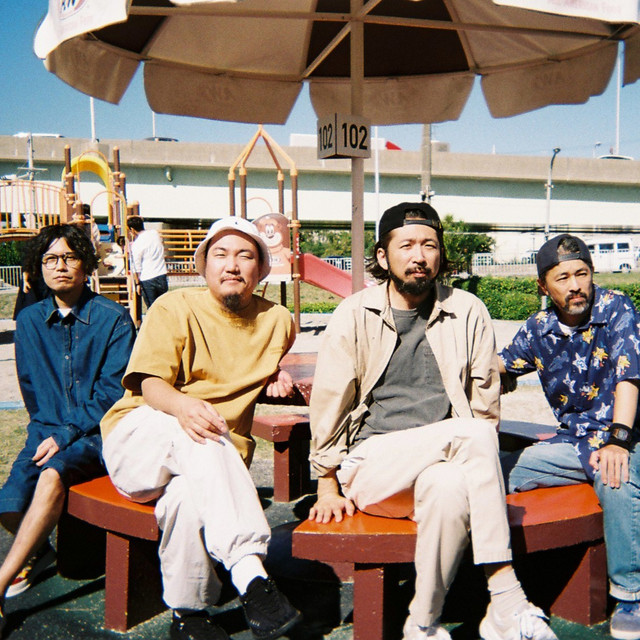
パジャマで海なんかいかない
5,964
6,006 listeners
5

木村紘
331
303 listeners
7
河野啓三
550
- listeners
About Japanese jazz fusion
Japanese jazz fusion is a distinctive branch of the global fusion movement that took root in Japan between the late 1960s and the 1980s. It emerged from a vibrant postwar jazz culture that embraced Western styles while absorbing local flavors, Funk and rock energy, and the new textures offered by electric instruments and synths. In Tokyo, Osaka, and beyond, forward-thinking players and bands began blending improvisational language with groove-oriented propulsion, producing music that could be both technically dazzling and irresistibly rhythmic. The result is a sound that often feels expansive, cinematic, and kinetic, rooted in jazz harmony and improv but liberated by rock’s drive and electronic timbres.
Pioneers and ambassadors of Japanese jazz fusion include several figures who became touchstones for the scene. Sadao Watanabe, a formidable saxophonist, helped bring a cosmopolitan sensibility to the early fusion milieu. Kazumi Watanabe, one of Japan’s most celebrated guitarists, carried the genre into new melodic and textural territories with syncopated lines and adventurous solos. Ryo Kawasaki, another influential guitarist, forged a bridge to the American fusion world in the 1970s and helped popularize a crisp, electric sound that still sounds forward-thinking today. The Square, later known as T-Square, became a flagship band in the 1980s and helped standardize the keyboard-driven fusion approach that many listeners associate with Japanese fusion. In more recent decades, Hiromi Uehara has become a global ambassador, translating the idiom into a virtuosic, genre-defying vocabulary that pairs explosive technique with playful dialogue between piano, acoustic and electronic textures.
Musically, Japanese jazz fusion often situates itself between the improvisatory depth of jazz and the rhythmic, harmonic, and textural experimentation of fusion. Expect electric guitar and synths, Fender Rhodes ivory glow, intricate woodwind lines, and tight, polymetric grooves. Some works lean into high-energy, club-friendly tempos; others drift into contemplative, atmospheric passages with cinematic synth landscapes. Polyrhythms, rapid-fire solos, and complex chord progressions sit alongside memorable hooks and groove-forward choruses. The best sessions balance technical prowess with communicative chemistry among band members, creating music that feels both intimate and expansive.
Japan remains the genre’s heartland, with a long-standing, dedicated fan base that keeps the tradition alive in local clubs and festivals. Internationally, Japanese fusion has gathered appreciators especially in Europe and North America, where enthusiasts relish its precision, ingenuity, and distinctive melodic sensibilities. The scene has always thrived on cross-cultural dialogue—collaborations with Western players, exposure through international labels, and the modern era’s streaming era that helps new listeners discover this dedicated lineage.
For listeners new to the genre, a good entry path is to explore the early-to-mid-70s and 80s catalogues associated with Sadao Watanabe, Kazumi Watanabe, and Ryo Kawasaki, then follow the lineage into the more synth-driven, polished 1980s outputs by the Square/T-Square. Modern ambassadors like Hiromi offer a compelling gateway to the tradition, proving that Japanese jazz fusion remains a living, evolving language—equal parts reverence for the past and fearless experimentation in the present.
Pioneers and ambassadors of Japanese jazz fusion include several figures who became touchstones for the scene. Sadao Watanabe, a formidable saxophonist, helped bring a cosmopolitan sensibility to the early fusion milieu. Kazumi Watanabe, one of Japan’s most celebrated guitarists, carried the genre into new melodic and textural territories with syncopated lines and adventurous solos. Ryo Kawasaki, another influential guitarist, forged a bridge to the American fusion world in the 1970s and helped popularize a crisp, electric sound that still sounds forward-thinking today. The Square, later known as T-Square, became a flagship band in the 1980s and helped standardize the keyboard-driven fusion approach that many listeners associate with Japanese fusion. In more recent decades, Hiromi Uehara has become a global ambassador, translating the idiom into a virtuosic, genre-defying vocabulary that pairs explosive technique with playful dialogue between piano, acoustic and electronic textures.
Musically, Japanese jazz fusion often situates itself between the improvisatory depth of jazz and the rhythmic, harmonic, and textural experimentation of fusion. Expect electric guitar and synths, Fender Rhodes ivory glow, intricate woodwind lines, and tight, polymetric grooves. Some works lean into high-energy, club-friendly tempos; others drift into contemplative, atmospheric passages with cinematic synth landscapes. Polyrhythms, rapid-fire solos, and complex chord progressions sit alongside memorable hooks and groove-forward choruses. The best sessions balance technical prowess with communicative chemistry among band members, creating music that feels both intimate and expansive.
Japan remains the genre’s heartland, with a long-standing, dedicated fan base that keeps the tradition alive in local clubs and festivals. Internationally, Japanese fusion has gathered appreciators especially in Europe and North America, where enthusiasts relish its precision, ingenuity, and distinctive melodic sensibilities. The scene has always thrived on cross-cultural dialogue—collaborations with Western players, exposure through international labels, and the modern era’s streaming era that helps new listeners discover this dedicated lineage.
For listeners new to the genre, a good entry path is to explore the early-to-mid-70s and 80s catalogues associated with Sadao Watanabe, Kazumi Watanabe, and Ryo Kawasaki, then follow the lineage into the more synth-driven, polished 1980s outputs by the Square/T-Square. Modern ambassadors like Hiromi offer a compelling gateway to the tradition, proving that Japanese jazz fusion remains a living, evolving language—equal parts reverence for the past and fearless experimentation in the present.