Genre
japanese juke
Top Japanese juke Artists
Showing 5 of 5 artists
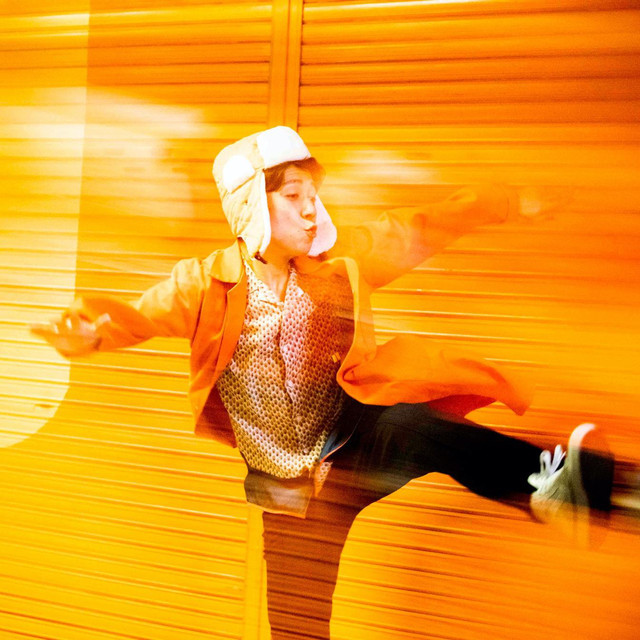

4
原子転生
168
- listeners
About Japanese juke
Japanese juke is a compelling, pocket-sized revolution inside the broader juke/footwork family. It takes the hyperactive, breakbeat-driven energy that emerged from Chicago in the late 2000s and reinterprets it through a distinctly Japanese lens—detailed sound design, crisp production, and a taste for cultural references that resonate with a Japanese audience. For enthusiasts, it’s a genre that rewards close listening and a willingness to follow how tempo, texture, and sampling can travel across oceans and identities.
Origins and core sound
Juke itself grew out of Chicago’s basement parties, ghetto house lineage, and the city’s appetite for modular, tempo-shifted rhythms. By the late 2000s and early 2010s a generation of producers began shaping tracks around 160–180 BPM, with stuttering kick patterns, jagged snares, rapid hi-hats, and chopped vocal samples that sounded almost like micro-edits in motion. The sound often prioritized the dance-floor futurism of footwork while preserving the digital-harvested immediacy of sample-based production. Japanese juke inherits this DNA but tends to emphasize a meticulous edge: pristine mixdowns, precise rhythm slicing, and a penchant for hi-fidelity textures that can slide from tactile bass to glassy synth lines in a heartbeat.
Adoption in Japan
Japan’s juke scene began blossoming in the 2010s as Japanese producers and DJs absorbed Chicago’s footwork while infusing it with local sensibilities. The result is a parallel ecosystem of releases, live sets, and club nights that celebrate speed, detail, and an openly playful approach to sampling—often drawing from Japanese pop culture, video game aesthetics, anime vocal cues, and street-level sound design. This gives Japanese juke its signature flavor: tracks that feel domesticated enough to resonate with a Japanese club audience, yet recognizably global in their backbone and rhythmic injury—bursting with energy and a sense of precision.
Key ambassadors and influence
Within Japan, several producers and collectives have become the genre’s ambassadors—artists who have released influential tracks, curated mixes, and performed widely, helping to articulate a distinctly Japanese take on juke. While the scene is diffuse and collaborative, what unites these figures is a shared willingness to experiment with tempo, sampling, and the crossing of cultural signals. The result is a canon of records and sets that sit comfortably in both club environments and headphone listening, illustrating how Japanese juke can be both ferocious and intimately crafted.
Geography and audience
Outside Japan, the strongest listening and club interest tends to cluster in the United States, the United Kingdom, and Western Europe, alongside a growing footprint in Australia and parts of Southeast Asia. The genre thrives on digital platforms, Bandcamp and SoundCloud cycles, and international labels that specialize in boundary-pushing electronic music. In Japan, the audience tends to be deeply engaged with the production values and the cross-cultural dialogue at play—a community that values the genre both as a dance-floor propulsion system and as a sonic laboratory.
Why it matters
Japanese juke is a case study in cultural translation. It demonstrates how a high-velocity, sample-based practice can adapt to different auditory palates and club cultures without losing its core heartbeat: a restless appetite for rhythm, texture, and tempo. For the serious listener, it’s an invitation to explore how global genres can be reimagined with local flavor while remaining unmistakably part of the same family tree. If you crave music that rewards repeated listens—where a single bar can swing from haunting to hyperkinetic in an instant—Japanese juke is well worth diving into.
Origins and core sound
Juke itself grew out of Chicago’s basement parties, ghetto house lineage, and the city’s appetite for modular, tempo-shifted rhythms. By the late 2000s and early 2010s a generation of producers began shaping tracks around 160–180 BPM, with stuttering kick patterns, jagged snares, rapid hi-hats, and chopped vocal samples that sounded almost like micro-edits in motion. The sound often prioritized the dance-floor futurism of footwork while preserving the digital-harvested immediacy of sample-based production. Japanese juke inherits this DNA but tends to emphasize a meticulous edge: pristine mixdowns, precise rhythm slicing, and a penchant for hi-fidelity textures that can slide from tactile bass to glassy synth lines in a heartbeat.
Adoption in Japan
Japan’s juke scene began blossoming in the 2010s as Japanese producers and DJs absorbed Chicago’s footwork while infusing it with local sensibilities. The result is a parallel ecosystem of releases, live sets, and club nights that celebrate speed, detail, and an openly playful approach to sampling—often drawing from Japanese pop culture, video game aesthetics, anime vocal cues, and street-level sound design. This gives Japanese juke its signature flavor: tracks that feel domesticated enough to resonate with a Japanese club audience, yet recognizably global in their backbone and rhythmic injury—bursting with energy and a sense of precision.
Key ambassadors and influence
Within Japan, several producers and collectives have become the genre’s ambassadors—artists who have released influential tracks, curated mixes, and performed widely, helping to articulate a distinctly Japanese take on juke. While the scene is diffuse and collaborative, what unites these figures is a shared willingness to experiment with tempo, sampling, and the crossing of cultural signals. The result is a canon of records and sets that sit comfortably in both club environments and headphone listening, illustrating how Japanese juke can be both ferocious and intimately crafted.
Geography and audience
Outside Japan, the strongest listening and club interest tends to cluster in the United States, the United Kingdom, and Western Europe, alongside a growing footprint in Australia and parts of Southeast Asia. The genre thrives on digital platforms, Bandcamp and SoundCloud cycles, and international labels that specialize in boundary-pushing electronic music. In Japan, the audience tends to be deeply engaged with the production values and the cross-cultural dialogue at play—a community that values the genre both as a dance-floor propulsion system and as a sonic laboratory.
Why it matters
Japanese juke is a case study in cultural translation. It demonstrates how a high-velocity, sample-based practice can adapt to different auditory palates and club cultures without losing its core heartbeat: a restless appetite for rhythm, texture, and tempo. For the serious listener, it’s an invitation to explore how global genres can be reimagined with local flavor while remaining unmistakably part of the same family tree. If you crave music that rewards repeated listens—where a single bar can swing from haunting to hyperkinetic in an instant—Japanese juke is well worth diving into.