Genre
japanese orchestra
Top Japanese orchestra Artists
Showing 18 of 18 artists
1
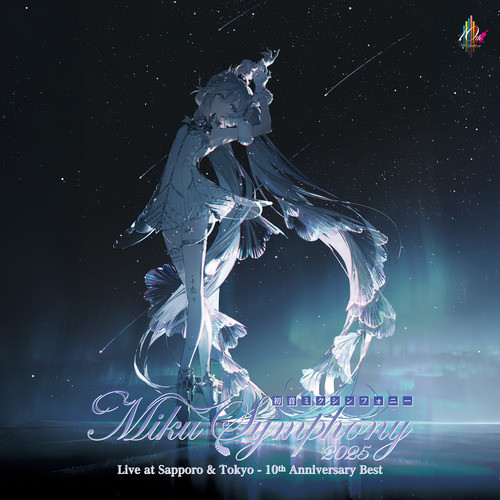
札幌交響楽団
Japan
246
3,405 listeners

3

山田和樹/仙台フィルハーモニー管弦楽団
39
1,000 listeners
4
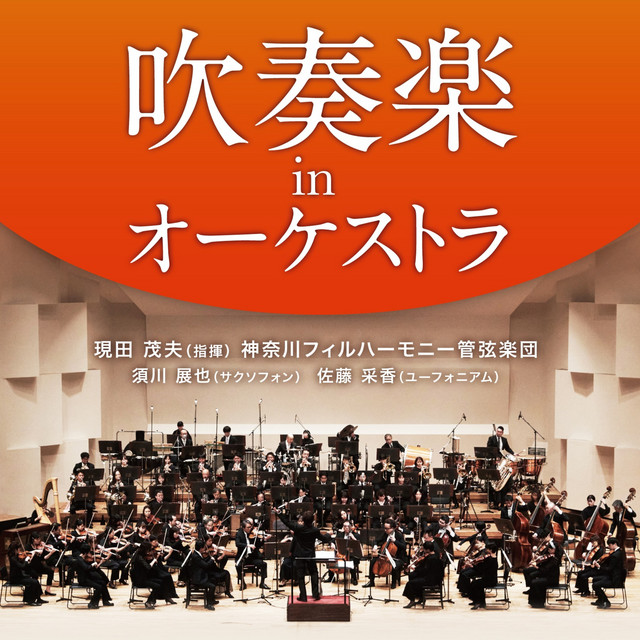
神奈川フィルハーモニー管弦楽団
185
357 listeners
5
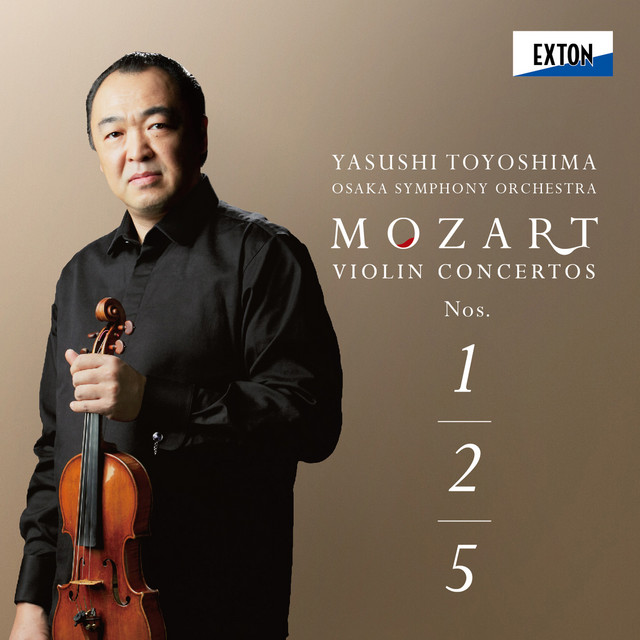
大阪交響楽団
54
111 listeners
6

愛知室内オーケストラ
21
88 listeners

9
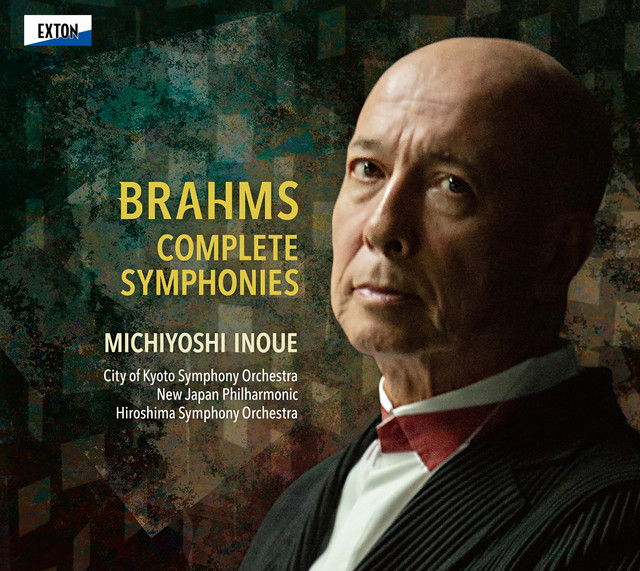
東京室内管弦楽団
18
32 listeners
10
名古屋フィルハーモニー交響楽団
86
20 listeners

12

早稲田大学交響楽団
51
8 listeners
13

小林研一郎 (指揮) & 日本フィルハーモニー交響楽団
52
7 listeners
14
九州交響楽団
85
4 listeners


18
ナガノ・チェンバー・オーケストラ
62
- listeners
About Japanese orchestra
Japanese orchestra is a broad term that describes the Western-style symphonic tradition as practiced in Japan, from the country’s first professional ensembles to today’s vibrant contemporary orchestral scene. It is not a single “sound,” but a tapestry of rigor, lyricism, and a distinctive Japanese sensibility that has shaped both domestic concert life and international perceptions of what an orchestra can be. The result is an interplay between precision, warmth, and a whisper of the Eastern aesthetic that often surfaces in modern repertoire and cross-cultural collaborations.
The birth of the Japanese orchestra aligns with Japan’s late-19th-century opening to Western arts during the Meiji era. Western art music was gradually taught in conservatories, courts, and schools, and by the early 20th century Japan formed its first professional orchestras. Tokyo Philharmonic Orchestra (founded 1911) and Osaka Philharmonic Orchestra (1915) were among the earliest, followed by the NHK Symphony Orchestra (established in 1926). These ensembles built a touring circuit, premiered contemporary works, and established a tradition of high-level symphonic performance that would influence generations. Postwar Japan saw renewed growth, international collaboration, and new festivals, further embedding the orchestra in Japanese cultural life.
In performance practice, a “Japanese orchestra” often emphasizes a blend of refined technique with a penchant for expressive, often contemplative timbres. You hear crystalline strings, nimble woodwinds, and a game of timbral textures that invites subtle dynamic shaping. A notable feature in the late 20th century was the bridge between Western orchestration and Japanese musical vocabulary: composers began to weave traditional instruments like the shakuhachi (bamboo flute) and biwa with the symphony orchestra. A landmark example is Toru Takemitsu’s November Steps (1967), which pairs shakuhachi and biwa with Western orchestra, signaling a new paradigm where the orchestra serves as a platform for cross-cultural dialogue.
Key artists and ambassadors have helped propel the genre onto the world stage. Toru Takemitsu stands as the central figure in Japanese orchestral modernism, known for holistic sound world-building and sensitive orchestration. Conductors such as Seiji Ozawa—long a global ambassador for Japanese music through his work with the Boston Symphony Orchestra and Saito Kinen—placed Japanese orchestral music squarely in the international spotlight. Contemporary composers like Toshio Hosokawa and Joji Yuasa continue to expand the repertoire with orchestral works that fuse Japanese aesthetics with Western forms. More broadly, performers such as Joe Hisaishi have popularized orchestral music through film scores and large-scale concerts, while Ryuichi Sakamoto’s collaborations with orchestras have helped bring contemporary, non-traditional textures to mainstream audiences.
Today, the most active centers remain in Japan—Tokyo, Osaka, Nagoya, and smaller cities host regular symphonic seasons with large and chamber ensembles, education programs, and festivals. The genre’s audience spreads beyond Japan to the United States, Europe, and parts of Asia, where audiences gather for world premieres, guest performances, and tours by Japanese orchestras and conductors. While rooted in Japan, the “Japanese orchestra” continues to evolve as a living conversation between tradition and experimentation, drawing enthusiasts who crave precision, narrative depth, and the excitement of new timbres arriving from a country with a long, intricate relationship to orchestral music.
The birth of the Japanese orchestra aligns with Japan’s late-19th-century opening to Western arts during the Meiji era. Western art music was gradually taught in conservatories, courts, and schools, and by the early 20th century Japan formed its first professional orchestras. Tokyo Philharmonic Orchestra (founded 1911) and Osaka Philharmonic Orchestra (1915) were among the earliest, followed by the NHK Symphony Orchestra (established in 1926). These ensembles built a touring circuit, premiered contemporary works, and established a tradition of high-level symphonic performance that would influence generations. Postwar Japan saw renewed growth, international collaboration, and new festivals, further embedding the orchestra in Japanese cultural life.
In performance practice, a “Japanese orchestra” often emphasizes a blend of refined technique with a penchant for expressive, often contemplative timbres. You hear crystalline strings, nimble woodwinds, and a game of timbral textures that invites subtle dynamic shaping. A notable feature in the late 20th century was the bridge between Western orchestration and Japanese musical vocabulary: composers began to weave traditional instruments like the shakuhachi (bamboo flute) and biwa with the symphony orchestra. A landmark example is Toru Takemitsu’s November Steps (1967), which pairs shakuhachi and biwa with Western orchestra, signaling a new paradigm where the orchestra serves as a platform for cross-cultural dialogue.
Key artists and ambassadors have helped propel the genre onto the world stage. Toru Takemitsu stands as the central figure in Japanese orchestral modernism, known for holistic sound world-building and sensitive orchestration. Conductors such as Seiji Ozawa—long a global ambassador for Japanese music through his work with the Boston Symphony Orchestra and Saito Kinen—placed Japanese orchestral music squarely in the international spotlight. Contemporary composers like Toshio Hosokawa and Joji Yuasa continue to expand the repertoire with orchestral works that fuse Japanese aesthetics with Western forms. More broadly, performers such as Joe Hisaishi have popularized orchestral music through film scores and large-scale concerts, while Ryuichi Sakamoto’s collaborations with orchestras have helped bring contemporary, non-traditional textures to mainstream audiences.
Today, the most active centers remain in Japan—Tokyo, Osaka, Nagoya, and smaller cities host regular symphonic seasons with large and chamber ensembles, education programs, and festivals. The genre’s audience spreads beyond Japan to the United States, Europe, and parts of Asia, where audiences gather for world premieres, guest performances, and tours by Japanese orchestras and conductors. While rooted in Japan, the “Japanese orchestra” continues to evolve as a living conversation between tradition and experimentation, drawing enthusiasts who crave precision, narrative depth, and the excitement of new timbres arriving from a country with a long, intricate relationship to orchestral music.