Genre
japanese singer-songwriter
Top Japanese singer-songwriter Artists
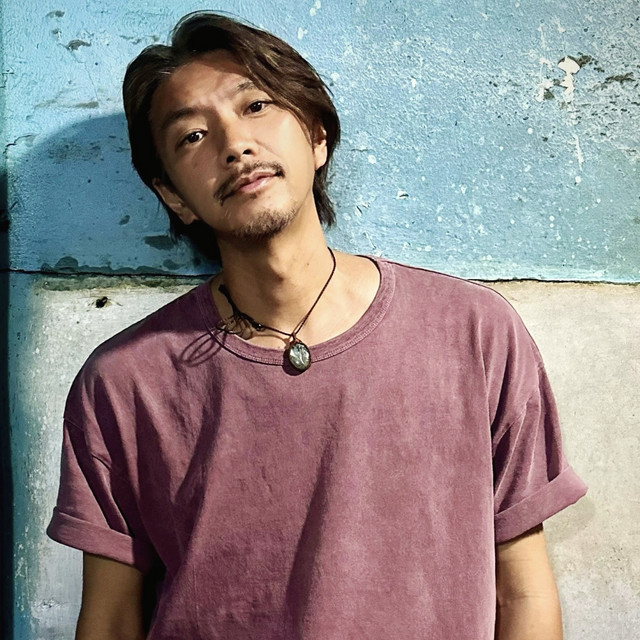

About Japanese singer-songwriter
Japanese singer-songwriter is a genre and approach defined by artists who write and perform their own material, often delivering concise, emotionally direct lyrics with intimate vocal delivery. The soundscape ranges from spare, acoustic folk to melodic indie pop, with room for piano, guitar-driven ballads, and occasional orchestral touches. What ties the work together is the primacy of the songwriter’s voice: the personal point of view, the story at the heart of the song, and a musical setting that serves the lyric rather than the other way around.
The roots trace back to Japan’s late-1960s and 1970s cultural moment, when Western folk and the broader “New Music” movement found a domestic outlet. This was a time of social change, and many artists embraced autobiographical storytelling as a way to connect with listeners. Rather than grand, manufactured pop personas, these singers-songwriter figures offered candid reflections on love, memory, daily life, and social observation. The tradition matured through the 70s and 80s with a generation of prolific writers who could sustain a career producing their own work, often crafting albums that felt like intimate conversations with the listener.
If you survey the hall of fame, a few names emerge as touchstones and ambassadors of the genre. Miyuki Nakajima and Yosui Inoue are widely regarded as early architectural voices—singers who wrote songs that could be performed by themselves or reinterpreted by others, yet always carried a strong, singular point of view. Yumi Matsutōya (formerly known as Yumi Arai) became a beloved figure for her melodic sensibility and earnest, confessional lyrics. These artists helped establish a template: emotionally direct lyrics, melodic-but-subtle tunes, and a willingness to experiment with form while keeping the singer’s voice front and center.
In recent years, the genre has continued to evolve with a new wave of performers who have achieved both domestic success and international recognition. Kenshi Yonezu and Hikaru Utada are modern exemplars who write, compose, and perform their own material, merging pop accessibility with sharp, often cinematic storytelling. Aimyon—whose spare acoustic style and unguarded lyricism resonated with a broad audience—embodies the current sensibility of the singer-songwriter in Japan: unpretentious, emotionally precise, and highly contemporary.
For enthusiasts, what makes Japanese singer-songwriters compelling is the emphasis on craft and honesty. The melodies often linger after the lyrics fade, and the performances reward close listening: tiny sonic details become meaningful, and the singer’s perspective feels earned rather than imposed. The genre is deeply rooted in Japan, where it remains the dominant hub, but it also enjoys a devoted, if more diffuse, following abroad. Fans across Taiwan, Korea, and parts of Europe and North America discover these artists through streaming, live showcases, and the cross-pollination of indie and anime-inspired music culture. In short, Japanese singer-songwriter music offers a concentrated blend of poetry, melody, and human warmth—an artistic fingerprint of contemporary Japan that travels well with discerning listeners.
The roots trace back to Japan’s late-1960s and 1970s cultural moment, when Western folk and the broader “New Music” movement found a domestic outlet. This was a time of social change, and many artists embraced autobiographical storytelling as a way to connect with listeners. Rather than grand, manufactured pop personas, these singers-songwriter figures offered candid reflections on love, memory, daily life, and social observation. The tradition matured through the 70s and 80s with a generation of prolific writers who could sustain a career producing their own work, often crafting albums that felt like intimate conversations with the listener.
If you survey the hall of fame, a few names emerge as touchstones and ambassadors of the genre. Miyuki Nakajima and Yosui Inoue are widely regarded as early architectural voices—singers who wrote songs that could be performed by themselves or reinterpreted by others, yet always carried a strong, singular point of view. Yumi Matsutōya (formerly known as Yumi Arai) became a beloved figure for her melodic sensibility and earnest, confessional lyrics. These artists helped establish a template: emotionally direct lyrics, melodic-but-subtle tunes, and a willingness to experiment with form while keeping the singer’s voice front and center.
In recent years, the genre has continued to evolve with a new wave of performers who have achieved both domestic success and international recognition. Kenshi Yonezu and Hikaru Utada are modern exemplars who write, compose, and perform their own material, merging pop accessibility with sharp, often cinematic storytelling. Aimyon—whose spare acoustic style and unguarded lyricism resonated with a broad audience—embodies the current sensibility of the singer-songwriter in Japan: unpretentious, emotionally precise, and highly contemporary.
For enthusiasts, what makes Japanese singer-songwriters compelling is the emphasis on craft and honesty. The melodies often linger after the lyrics fade, and the performances reward close listening: tiny sonic details become meaningful, and the singer’s perspective feels earned rather than imposed. The genre is deeply rooted in Japan, where it remains the dominant hub, but it also enjoys a devoted, if more diffuse, following abroad. Fans across Taiwan, Korea, and parts of Europe and North America discover these artists through streaming, live showcases, and the cross-pollination of indie and anime-inspired music culture. In short, Japanese singer-songwriter music offers a concentrated blend of poetry, melody, and human warmth—an artistic fingerprint of contemporary Japan that travels well with discerning listeners.