Genre
japanese trap
Top Japanese trap Artists
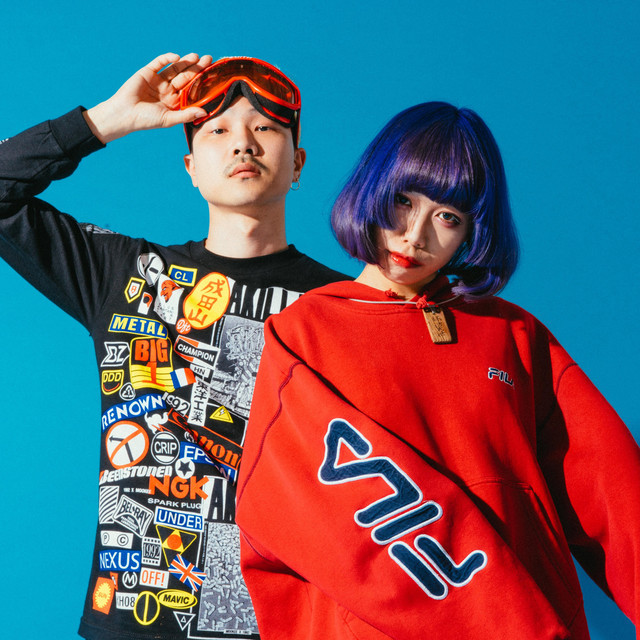
About Japanese trap
Japanese trap is a regional offshoot of trap music that developed in the late 2000s and early 2010s, drawing on the skeletal, bass-forward logic of Atlanta’s scene while stamping it with distinctly Japanese rhythms, slang, and cinematic aesthetics. It grew from Tokyo’s and Osaka’s underground rap and beat scenes, where producers and MCs fed on SoundCloud, streaming platforms, and DIY nights in clubs and basements. The result is a sound that keeps the grit and 808-weight of traditional trap but often leans into melodic hooks, crisp hi-hats, and playful or moody samples that feel at once contemporary and rooted in Japanese pop culture.
If you had to name a few touchstone figures, KOHH is widely cited as one of the pioneers who helped bring Japanese trap to a broader audience. His early mixtapes and subsequent releases showcased a confident, bilingual or Japanese-dominant flow over lean, club-ready beats, becoming a blueprint for many younger artists. Another pillar of the scene is the Yokohama-based collective BAD HOP, whose members built a dense, streetwise trap sound characterized by punchy production, rapid-fire delivery, and strong city-anthem energy. Together these figures helped demonstrate that Japanese artists could deliver trap music with local vocabulary, mood, and street storytelling while still feeling global in scope.
Beyond these names, the Japanese trap landscape has grown to include a wave of rising MCs and producers such as Tohji and others who blend hard-hitting beats with personal, intimate lyricism. Producers in particular have pushed the sonic envelope, experimenting with melodic leads, anime and city-pop inspired textures, and cross-genre collabs that blur lines between hip-hop, electronic, and pop. The result is a sound that often travels through a spectrum—from harsher, minimal verses designed for hardcore clubs to glossy, melodic tracks with hooky refrains suitable for playlist culture.
Japan remains the epicenter, but the appeal of Japanese trap isn’t confined to its home country. It has cultivated a robust tasting menu for listeners in other parts of Asia—Taiwan, China, Korea, and Southeast Asia—where fans are drawn to the genre’s precise rhythms and cosmopolitan undertones. In the West, the genre has gained traction through international collaborations, global playlists, and the curatorial efforts of labels and DJs who highlight Japanese trap as part of the broader global trap conversation. Streaming platforms have helped fans discover music in multiple languages, fueling cross-cultural exchanges and remix culture.
What makes Japanese trap distinctive is its willingness to localize the template. The tempo can linger in mid-tempo ranges, the cadences ride the syllables of Japanese phrasing, and the production often folds in anime aesthetics, city nightscapes, and contemporary streetwear vibes. It’s a music that trades some of the swagger and braggadocio of early US trap for mood, atmosphere, and a sense of place—so that a track can feel like a late-night ride through Tokyo as much as a street anthem in any language. The genre continues to evolve, proving that trap is a global language capable of absorbing local colors without losing its core pulse.
If you had to name a few touchstone figures, KOHH is widely cited as one of the pioneers who helped bring Japanese trap to a broader audience. His early mixtapes and subsequent releases showcased a confident, bilingual or Japanese-dominant flow over lean, club-ready beats, becoming a blueprint for many younger artists. Another pillar of the scene is the Yokohama-based collective BAD HOP, whose members built a dense, streetwise trap sound characterized by punchy production, rapid-fire delivery, and strong city-anthem energy. Together these figures helped demonstrate that Japanese artists could deliver trap music with local vocabulary, mood, and street storytelling while still feeling global in scope.
Beyond these names, the Japanese trap landscape has grown to include a wave of rising MCs and producers such as Tohji and others who blend hard-hitting beats with personal, intimate lyricism. Producers in particular have pushed the sonic envelope, experimenting with melodic leads, anime and city-pop inspired textures, and cross-genre collabs that blur lines between hip-hop, electronic, and pop. The result is a sound that often travels through a spectrum—from harsher, minimal verses designed for hardcore clubs to glossy, melodic tracks with hooky refrains suitable for playlist culture.
Japan remains the epicenter, but the appeal of Japanese trap isn’t confined to its home country. It has cultivated a robust tasting menu for listeners in other parts of Asia—Taiwan, China, Korea, and Southeast Asia—where fans are drawn to the genre’s precise rhythms and cosmopolitan undertones. In the West, the genre has gained traction through international collaborations, global playlists, and the curatorial efforts of labels and DJs who highlight Japanese trap as part of the broader global trap conversation. Streaming platforms have helped fans discover music in multiple languages, fueling cross-cultural exchanges and remix culture.
What makes Japanese trap distinctive is its willingness to localize the template. The tempo can linger in mid-tempo ranges, the cadences ride the syllables of Japanese phrasing, and the production often folds in anime aesthetics, city nightscapes, and contemporary streetwear vibes. It’s a music that trades some of the swagger and braggadocio of early US trap for mood, atmosphere, and a sense of place—so that a track can feel like a late-night ride through Tokyo as much as a street anthem in any language. The genre continues to evolve, proving that trap is a global language capable of absorbing local colors without losing its core pulse.