Genre
japanese vgm
Top Japanese vgm Artists
Showing 25 of 334 artists
1

アトラスサウンドチーム
259,750
3.4 million listeners








10

平田志穂子
Japan
77,345
973,091 listeners
11

大谷智哉
Japan
39,311
841,092 listeners

15

来兎
24,010
538,805 listeners
16

阿保剛
29,379
472,833 listeners




23

川村ゆみ
Japan
32,355
310,187 listeners


About Japanese vgm
Japanese VGM, shorthand for Japanese video game music, is the soundtrack language of a country that helped shape how games sound and feel. It emerged from the 8‑bit and 16‑bit eras of the 1980s, when composers coded melodic identities into chip-based sounds on systems like the Family Computer/NES and the Mega Drive. What started as functional game music soon evolved into fully fledged art, with memorable themes, recurring leitmotifs, and orchestral ambitions that could stand beside standalone concert music.
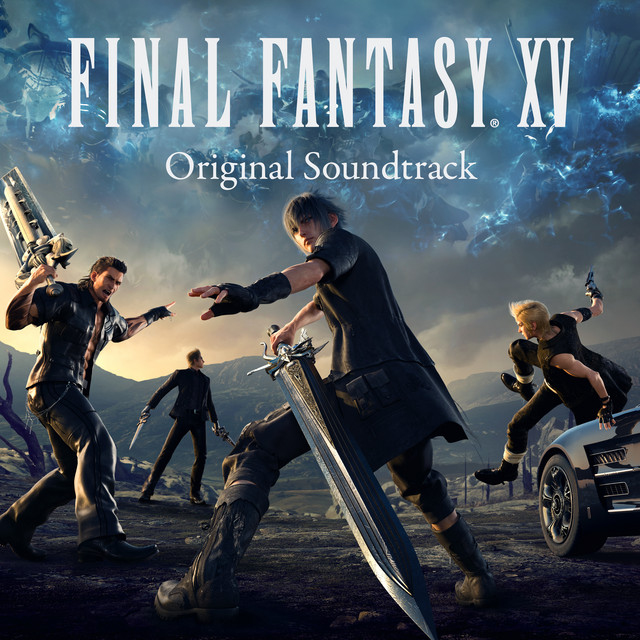
The birth of Japanese VGM is inseparable from the people who wrote its earliest anthems. Koji Kondo’s.simple but instantly iconic melodies for Super Mario Bros. (1985) and The Legend of Zelda (1986) helped define the idea that a game’s music could be as vital as its visuals. Nobuo Uematsu, starting with Final Fantasy (1987), expanded the palette—lush, cinematic, and emotionally expressive enough to drive long RPG adventures. The 1990s saw other visionaries broaden the vocabulary: Yuzo Koshiro combined danceable synth textures with game‑specific urgency in Streets of Rage 2; Hiroki Kikuta crafted the atmospheric, orchestral‑leaning soundscape of Secret of Mana; Yasunori Mitsuda’s Chrono Trigger scores fused folk melodies with world music textures. These figures became ambassadors, not just for their own titles but for the idea that Japanese compositions could carry epic narratives beyond the screen.
Over the decades, Japanese VGM diversified into subgenres and cross‑pollinated with anime, cinema, and pop. Yoko Shimomura’s romantic, character‑driven scores for Kingdom Hearts and various Capcom titles show how melody can personify a game’s cast. Michiru Yamane’s gothic‑flavored Castlevania work helped fuse Western dark‑fantasy sensibilities with Japanese craftsmanship. Hiroyuki Sawano’s newer collaborations, Keiichi Okabe’s soaring, cinematic work for the Nier series, and Shōji Meguro’s stylish Persona scores demonstrate a modern lineage that still roots itself in the late‑20th‑century DNA of memorable tunes and dynamic arrangements. In recent years, the scene has welcomed orchestral and chiptune artists alike, with albums and live performances that turn game soundtracks into concert experiences.
Geographically, Japanese VGM is most deeply rooted in Japan, but its influence is global. In North America and Europe, fans have long collected soundtracks, shared dissected analyses, and attended concerts such as Video Games Live and various symphonic showcases that celebrate Japanese game music. Asian markets, including South Korea and Taiwan, also host passionate communities and transnational collaborations that keep the genre vibrant. The internet age has democratized access, so a listener anywhere can discover a forgotten 8‑bit gem or a modern symphonic suite in minutes.
If you’re exploring this genre as a music enthusiast, start with the cornerstones: Uematsu’s Final Fantasy scores, Kondo’s Zelda motifs, Mitsuda and Kikuta’s era‑defining RPG soundtracks, Shimomura’s melodic storytelling, and Okabe’s contemporary orchestral luminescence. Japanese VGM is not a single sound but a living ecosystem of chiptune, orchestration, jazz, rock, and beyond—an enduring testament to how games and music, when fused with culture and craft, can create universally resonant art.
The birth of Japanese VGM is inseparable from the people who wrote its earliest anthems. Koji Kondo’s.simple but instantly iconic melodies for Super Mario Bros. (1985) and The Legend of Zelda (1986) helped define the idea that a game’s music could be as vital as its visuals. Nobuo Uematsu, starting with Final Fantasy (1987), expanded the palette—lush, cinematic, and emotionally expressive enough to drive long RPG adventures. The 1990s saw other visionaries broaden the vocabulary: Yuzo Koshiro combined danceable synth textures with game‑specific urgency in Streets of Rage 2; Hiroki Kikuta crafted the atmospheric, orchestral‑leaning soundscape of Secret of Mana; Yasunori Mitsuda’s Chrono Trigger scores fused folk melodies with world music textures. These figures became ambassadors, not just for their own titles but for the idea that Japanese compositions could carry epic narratives beyond the screen.
Over the decades, Japanese VGM diversified into subgenres and cross‑pollinated with anime, cinema, and pop. Yoko Shimomura’s romantic, character‑driven scores for Kingdom Hearts and various Capcom titles show how melody can personify a game’s cast. Michiru Yamane’s gothic‑flavored Castlevania work helped fuse Western dark‑fantasy sensibilities with Japanese craftsmanship. Hiroyuki Sawano’s newer collaborations, Keiichi Okabe’s soaring, cinematic work for the Nier series, and Shōji Meguro’s stylish Persona scores demonstrate a modern lineage that still roots itself in the late‑20th‑century DNA of memorable tunes and dynamic arrangements. In recent years, the scene has welcomed orchestral and chiptune artists alike, with albums and live performances that turn game soundtracks into concert experiences.
Geographically, Japanese VGM is most deeply rooted in Japan, but its influence is global. In North America and Europe, fans have long collected soundtracks, shared dissected analyses, and attended concerts such as Video Games Live and various symphonic showcases that celebrate Japanese game music. Asian markets, including South Korea and Taiwan, also host passionate communities and transnational collaborations that keep the genre vibrant. The internet age has democratized access, so a listener anywhere can discover a forgotten 8‑bit gem or a modern symphonic suite in minutes.
If you’re exploring this genre as a music enthusiast, start with the cornerstones: Uematsu’s Final Fantasy scores, Kondo’s Zelda motifs, Mitsuda and Kikuta’s era‑defining RPG soundtracks, Shimomura’s melodic storytelling, and Okabe’s contemporary orchestral luminescence. Japanese VGM is not a single sound but a living ecosystem of chiptune, orchestration, jazz, rock, and beyond—an enduring testament to how games and music, when fused with culture and craft, can create universally resonant art.