Genre
jazz boliviano
Top Jazz boliviano Artists
Showing 10 of 10 artists




About Jazz boliviano
Jazz boliviano is a living conversation between improvisation and the Andes. It blends the language of jazz with Bolivian musical memory—Andean scales, quena and panpipe timbres, folkloric rhythms, and Afro-Bolivian grooves—creating a sound that feels both urban and ancestral. It’s a genre defined not by a single sound, but by a shared impulse: to explore jazz’s freedom while keeping a distinctly Bolivian identity.
There isn’t a single moment of birth for jazz boliviano. Most critics trace its more formal emergence to the 1960s and 1970s, when Bolivian musicians began studying jazz in conservatories and forming small combos in cities such as La Paz, Santa Cruz, and Cochabamba. They absorbed bebop, modal jazz, and fusion from abroad, yet they sought to preserve local voice and memory. Over the decades the scene matured from basement gigs and radio experiments into festival appearances, recorded projects, and international collaborations. By the late 1990s and into the 2000s, a new generation started composing original material that fused Andean motifs with contemporary harmony and rhythm, often welcoming cross-cultural partnerships.
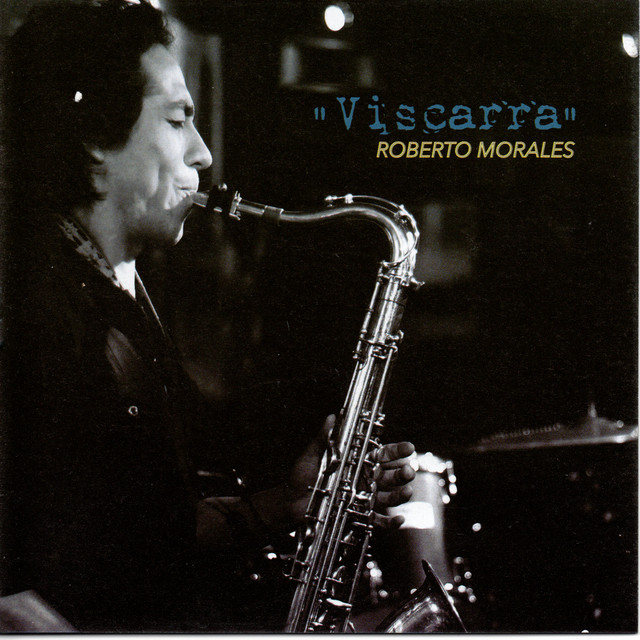
Musically, jazz boliviano is characterized by improvisation as its lifeblood, a swing that sits alongside more modern, harmonically adventurous language, and a constant dialogue between jazz forms and Bolivian timbres. Listen for the collision and conversation between saxophones, piano, or guitar and the traditional sounds of quena, siku, and zampoña. The rhythm section moves easily from straight-ahead feels to explorations of irregular meters and asymmetrical accents inspired by Andean dances. Melodies may glide with lyric grace or erupt into fiery solo statements, yet they often carry a sense of landscape—mountains, valleys, city streets—embellished by a sense of communal memory.
Ambassadors and key figures in jazz boliviano have tended to be trailblazing instrumentalists, bandleaders, and educators who link Bolivian roots to a global jazz conversation. Across generations they act as ambassadors—performing at regional and international festivals, collaborating with musicians from neighboring Andean countries and beyond, and nurturing younger players through masterclasses and workshops. The strongest voices are those that sustain a steady stream of projects, recordings, and teaching activity, ensuring the tradition grows while staying true to its Bolivian roots.
In terms of audience and reach, jazz boliviano enjoys its strongest following within Bolivia—especially in La Paz, Santa Cruz, and Cochabamba—where clubs, universities, and cultural organizations sponsor performances and training. Beyond Bolivia, it has found receptive audiences in the Andean belt—Peru, Chile, and Argentina—where listeners respond to the blend of improvisation and familiar folk textures. It also circulates in Latin American cultural centers and among world-jazz enthusiasts in Europe and North America, where audiences increasingly seek regional fusions that illuminate a country’s unique soundscape. Today, jazz boliviano continues evolving, inviting listeners to hear a nation’s history refracted through improvisation, memory, and forward-looking creativity.
There isn’t a single moment of birth for jazz boliviano. Most critics trace its more formal emergence to the 1960s and 1970s, when Bolivian musicians began studying jazz in conservatories and forming small combos in cities such as La Paz, Santa Cruz, and Cochabamba. They absorbed bebop, modal jazz, and fusion from abroad, yet they sought to preserve local voice and memory. Over the decades the scene matured from basement gigs and radio experiments into festival appearances, recorded projects, and international collaborations. By the late 1990s and into the 2000s, a new generation started composing original material that fused Andean motifs with contemporary harmony and rhythm, often welcoming cross-cultural partnerships.
Musically, jazz boliviano is characterized by improvisation as its lifeblood, a swing that sits alongside more modern, harmonically adventurous language, and a constant dialogue between jazz forms and Bolivian timbres. Listen for the collision and conversation between saxophones, piano, or guitar and the traditional sounds of quena, siku, and zampoña. The rhythm section moves easily from straight-ahead feels to explorations of irregular meters and asymmetrical accents inspired by Andean dances. Melodies may glide with lyric grace or erupt into fiery solo statements, yet they often carry a sense of landscape—mountains, valleys, city streets—embellished by a sense of communal memory.
Ambassadors and key figures in jazz boliviano have tended to be trailblazing instrumentalists, bandleaders, and educators who link Bolivian roots to a global jazz conversation. Across generations they act as ambassadors—performing at regional and international festivals, collaborating with musicians from neighboring Andean countries and beyond, and nurturing younger players through masterclasses and workshops. The strongest voices are those that sustain a steady stream of projects, recordings, and teaching activity, ensuring the tradition grows while staying true to its Bolivian roots.
In terms of audience and reach, jazz boliviano enjoys its strongest following within Bolivia—especially in La Paz, Santa Cruz, and Cochabamba—where clubs, universities, and cultural organizations sponsor performances and training. Beyond Bolivia, it has found receptive audiences in the Andean belt—Peru, Chile, and Argentina—where listeners respond to the blend of improvisation and familiar folk textures. It also circulates in Latin American cultural centers and among world-jazz enthusiasts in Europe and North America, where audiences increasingly seek regional fusions that illuminate a country’s unique soundscape. Today, jazz boliviano continues evolving, inviting listeners to hear a nation’s history refracted through improvisation, memory, and forward-looking creativity.