Genre
jazz clarinet
Top Jazz clarinet Artists
Showing 13 of 13 artists
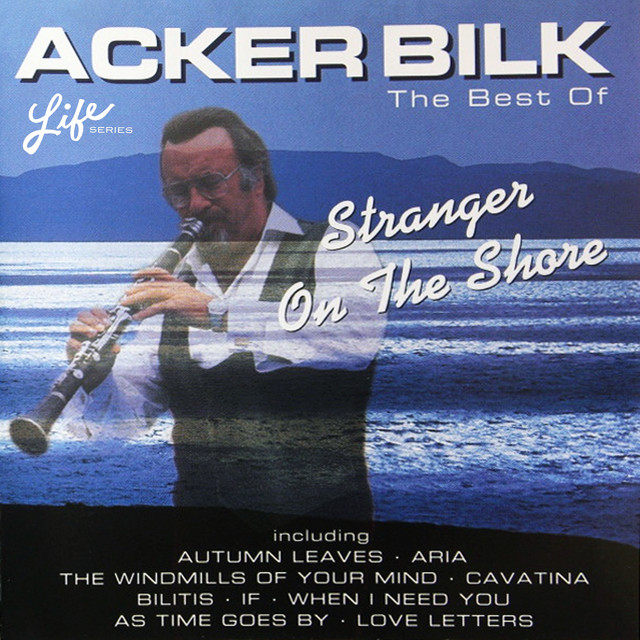
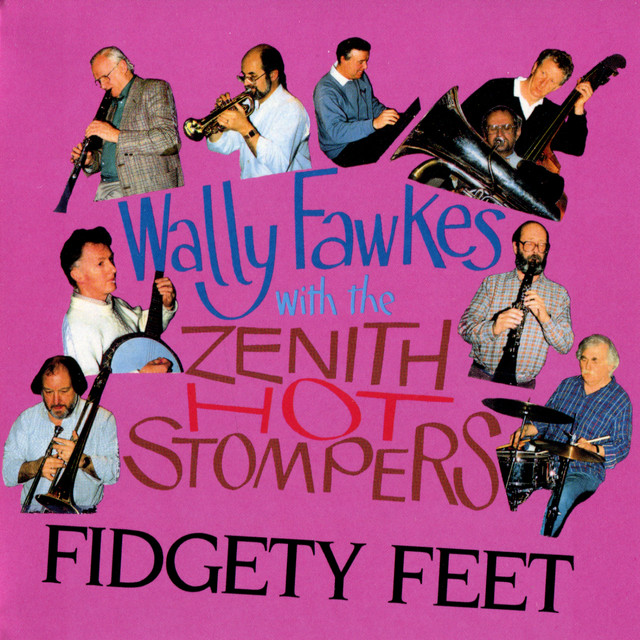

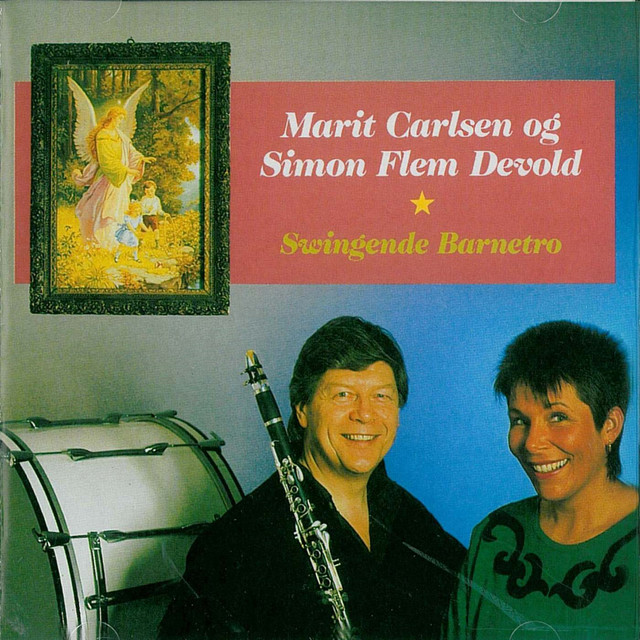


About Jazz clarinet
Jazz clarinet is a distinctive thread in the tapestry of jazz, a voice that blends technical brightness with improvisational depth. It’s not a separate genre so much as a lineage of solo and ensemble voices built around the clarinet, an instrument whose agile, woody tone and wide expressive range have allowed it to lead, color, and converse with the rhythm section across many eras.
The story begins in the early 20th century in New Orleans, where the clarinet quickly joined the frontline of marching bands and street ensembles. By the 1910s and 1920s, players such as Jimmie Noone, Sidney Bechet, and Johnny Dodds were forging a language of rapid runs, chromatic bravura, and singing melodies that could soar above a polyphonic horn choir. The Great Migration carried these sounds to Chicago and later New York, where the clarinet became a staple of small groups and big bands alike. Early jazz clarinet often alternated between sweet lyricism and biting, piercing lines, a versatility that would keep it central as styles shifted.
In the Swing era, the clarinet achieved a new degree of glamour and broad popularity. Benny Goodman, often crowned the “King of Swing,” brought the instrument to mass audiences through radio, film, and national tours, turning the clarinet into a cultural icon. Artie Shaw offered lush, velvety solos and tightly arranged ballads, expanding the clarinet’s emotional palette. These ambassadors showed that the instrument could carry narrative weight—delicate whispers, brassy cheer, or blistering speed—within the context of a swinging rhythm section and sophisticated arrangements.
The mid-20th century introduced bebop and modern jazz to the clarinet, pushing players to new levels of virtuosity. Notable clarinetists like Buddy DeFranco emerged as technical dynamos, blending the improvisational daring of bebop with the clarinet’s smooth, singing voice. The Dixieland revival kept the New Orleans sound alive as well, with figures such as Pete Fountain and Kenny Davern bringing high-spirited clarinet lines to contemporary audiences. Across these decades, the clarinet demonstrated its ability to function as a lead voice or a masterful color instrument within a band.
Today, jazz clarinet is truly a global affair. In the United States, Europe, and beyond, contemporary players continually push the instrument into new territories. In Europe, Paris and London have long hosted vibrant clarinet scenes, while in Japan and Israel, dedicated communities keep expanding the repertoire and audiences. Notable modern ambassadors include Anat Cohen, whose inventive blend of New York jazz with Mediterranean and Middle Eastern flavors has helped redefine what the clarinet can do in a 21st-century setting, and David Krakauer, who fuses klezmer, avant-garde, and jazz into a dynamic voice. Paquito D’Rivera has bridged Latin jazz with classical technique, and Don Byron has explored diverse identities through the clarinet in a variety of contexts.
What to listen for? The clarinet’s bright, agile tone can carry lyrical, lilting melodies or darting, technical passages. Its timbral versatility makes it ideal for storytelling—nostalgic ballads, playful dialogues with the horn section, or blistering improvisations that ride a swing or groove. Jazz clarinet remains a living, evolving idiom, warmly familiar yet continually surprising to enthusiasts who savor complexity, swing, and a little musical mischief.
The story begins in the early 20th century in New Orleans, where the clarinet quickly joined the frontline of marching bands and street ensembles. By the 1910s and 1920s, players such as Jimmie Noone, Sidney Bechet, and Johnny Dodds were forging a language of rapid runs, chromatic bravura, and singing melodies that could soar above a polyphonic horn choir. The Great Migration carried these sounds to Chicago and later New York, where the clarinet became a staple of small groups and big bands alike. Early jazz clarinet often alternated between sweet lyricism and biting, piercing lines, a versatility that would keep it central as styles shifted.
In the Swing era, the clarinet achieved a new degree of glamour and broad popularity. Benny Goodman, often crowned the “King of Swing,” brought the instrument to mass audiences through radio, film, and national tours, turning the clarinet into a cultural icon. Artie Shaw offered lush, velvety solos and tightly arranged ballads, expanding the clarinet’s emotional palette. These ambassadors showed that the instrument could carry narrative weight—delicate whispers, brassy cheer, or blistering speed—within the context of a swinging rhythm section and sophisticated arrangements.
The mid-20th century introduced bebop and modern jazz to the clarinet, pushing players to new levels of virtuosity. Notable clarinetists like Buddy DeFranco emerged as technical dynamos, blending the improvisational daring of bebop with the clarinet’s smooth, singing voice. The Dixieland revival kept the New Orleans sound alive as well, with figures such as Pete Fountain and Kenny Davern bringing high-spirited clarinet lines to contemporary audiences. Across these decades, the clarinet demonstrated its ability to function as a lead voice or a masterful color instrument within a band.
Today, jazz clarinet is truly a global affair. In the United States, Europe, and beyond, contemporary players continually push the instrument into new territories. In Europe, Paris and London have long hosted vibrant clarinet scenes, while in Japan and Israel, dedicated communities keep expanding the repertoire and audiences. Notable modern ambassadors include Anat Cohen, whose inventive blend of New York jazz with Mediterranean and Middle Eastern flavors has helped redefine what the clarinet can do in a 21st-century setting, and David Krakauer, who fuses klezmer, avant-garde, and jazz into a dynamic voice. Paquito D’Rivera has bridged Latin jazz with classical technique, and Don Byron has explored diverse identities through the clarinet in a variety of contexts.
What to listen for? The clarinet’s bright, agile tone can carry lyrical, lilting melodies or darting, technical passages. Its timbral versatility makes it ideal for storytelling—nostalgic ballads, playful dialogues with the horn section, or blistering improvisations that ride a swing or groove. Jazz clarinet remains a living, evolving idiom, warmly familiar yet continually surprising to enthusiasts who savor complexity, swing, and a little musical mischief.