Genre
jazz cubano
Top Jazz cubano Artists
Showing 3 of 3 artists
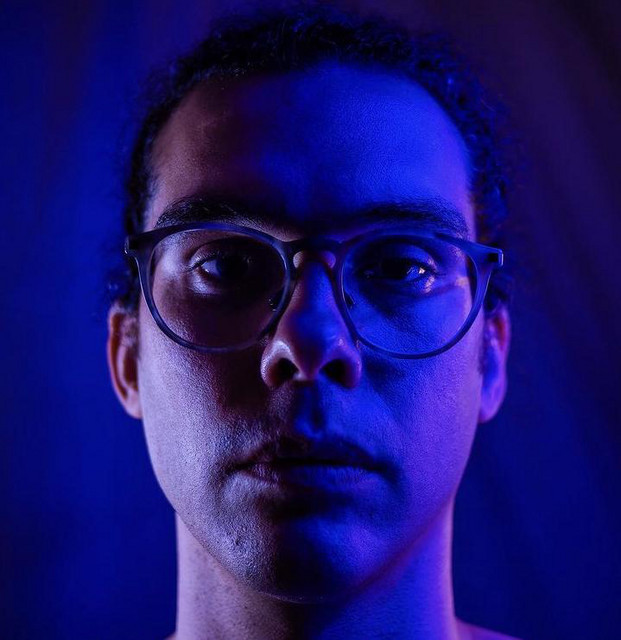


About Jazz cubano
Jazz cubano, or Cuban jazz, is the dynamic meeting point between Havana’s Afro-Cuban rhythms and the improvisational language of modern jazz. It crosses danzón, son, mambo, rumba, and cha-cha-cha while often rooting itself in the clave and tumbao bass lines that propel Cuban music. The result can swing with jazz bravado or unfold with chamber-like delicacy, inviting virtuosic soloing, intricate percussion dialogue, and expressive collective interaction. For enthusiasts, it offers rhythmic propulsion, harmonic daring, and a constant conversation between tradition and invention.
Origins are multiple, but a pivotal moment comes in the late 1940s when Dizzy Gillespie invited Cuban conguero Chano Pozo into his band in New York. Their collaboration gave birth to Afro-Cuban jazz—the synthesis of Latin percussion with swing-era improvisation. The 1947 recording “Manteca” became a landmark, showing how Cuba’s rhythms could drive American jazz. In Cuba proper, the 1950s saw ensembles merging jazz sensibility with son and danzón, a thread that continued through the decades in big-band and experimental formats that define jazz cubano.
Key ambassadors include the pioneers Gillespie and Pozo, but the tradition truly spread through figures like Chucho Valdés, founder of Irakere (formed in 1973), who fused jazz with Afro-Cuban forms; Arturo Sandoval, whose trumpet virtuosity propelled Cuban jazz onto global stages; Gonzalo Rubalcaba, a pianist comfortable with bebop and montunos; and Paquito D’Rivera, a clarinet and saxophone master who helped carry Cuban jazz into the wider Latin-jazz conversation. These artists and ensembles created a vocabulary spanning intimate improvisations to lush, big-band textures, and they remain touchstones for contemporary performers.
Musically, jazz cubano runs the gamut—from intimate trios to large orchestras—where horns, piano, bass, and drums orbit polyrhythms and improvisation. Percussion sits at the center: congas, timbales, batá, and other timbres lock with horn lines and piano montunos, fueling solos with a kinetic sense of swing. Repertoire blends original compositions with reimagined Cuban themes, punctuated by descarga-style jam sessions that feel like urgent conversations. The groove often rests on clave patterns (3-2 or 2-3), while jazz language adds modal explorations, extended harmonies, and rapid, communicative exchanges.
Jazz cubano remains strongest in Cuba, where clubs, festivals, and conservatories nurture the form, and in diaspora communities across the United States—especially New York—where Latin jazz gave the genre renewed vitality. It has sustained devoted audiences in Spain, France, the United Kingdom, Japan, and Canada, where performers push the tradition in new directions. For listeners, the genre offers a rich field of cross-cultural dialogue: archival Afro-Cuban sessions, Irakere-era fire, and contemporary ensembles led by Valdés, Rubalcaba, Sandoval, and D’Rivera that keep reimagining what Cuban music can do within jazz.
Why listen now: jazz cubano embodies resilience and adaptability, preserving Afro-Cuban roots while embracing global jazz innovations. It rewards attentive listening—from the percussion-driven openings to the conversation-like solos—and invites engagement across generations. It remains a living, evolving chapter in both Cuban culture and the broader Latin jazz story.
Origins are multiple, but a pivotal moment comes in the late 1940s when Dizzy Gillespie invited Cuban conguero Chano Pozo into his band in New York. Their collaboration gave birth to Afro-Cuban jazz—the synthesis of Latin percussion with swing-era improvisation. The 1947 recording “Manteca” became a landmark, showing how Cuba’s rhythms could drive American jazz. In Cuba proper, the 1950s saw ensembles merging jazz sensibility with son and danzón, a thread that continued through the decades in big-band and experimental formats that define jazz cubano.
Key ambassadors include the pioneers Gillespie and Pozo, but the tradition truly spread through figures like Chucho Valdés, founder of Irakere (formed in 1973), who fused jazz with Afro-Cuban forms; Arturo Sandoval, whose trumpet virtuosity propelled Cuban jazz onto global stages; Gonzalo Rubalcaba, a pianist comfortable with bebop and montunos; and Paquito D’Rivera, a clarinet and saxophone master who helped carry Cuban jazz into the wider Latin-jazz conversation. These artists and ensembles created a vocabulary spanning intimate improvisations to lush, big-band textures, and they remain touchstones for contemporary performers.
Musically, jazz cubano runs the gamut—from intimate trios to large orchestras—where horns, piano, bass, and drums orbit polyrhythms and improvisation. Percussion sits at the center: congas, timbales, batá, and other timbres lock with horn lines and piano montunos, fueling solos with a kinetic sense of swing. Repertoire blends original compositions with reimagined Cuban themes, punctuated by descarga-style jam sessions that feel like urgent conversations. The groove often rests on clave patterns (3-2 or 2-3), while jazz language adds modal explorations, extended harmonies, and rapid, communicative exchanges.
Jazz cubano remains strongest in Cuba, where clubs, festivals, and conservatories nurture the form, and in diaspora communities across the United States—especially New York—where Latin jazz gave the genre renewed vitality. It has sustained devoted audiences in Spain, France, the United Kingdom, Japan, and Canada, where performers push the tradition in new directions. For listeners, the genre offers a rich field of cross-cultural dialogue: archival Afro-Cuban sessions, Irakere-era fire, and contemporary ensembles led by Valdés, Rubalcaba, Sandoval, and D’Rivera that keep reimagining what Cuban music can do within jazz.
Why listen now: jazz cubano embodies resilience and adaptability, preserving Afro-Cuban roots while embracing global jazz innovations. It rewards attentive listening—from the percussion-driven openings to the conversation-like solos—and invites engagement across generations. It remains a living, evolving chapter in both Cuban culture and the broader Latin jazz story.