Genre
jazz organ
Top Jazz organ Artists
Showing 22 of 22 artists




About Jazz organ
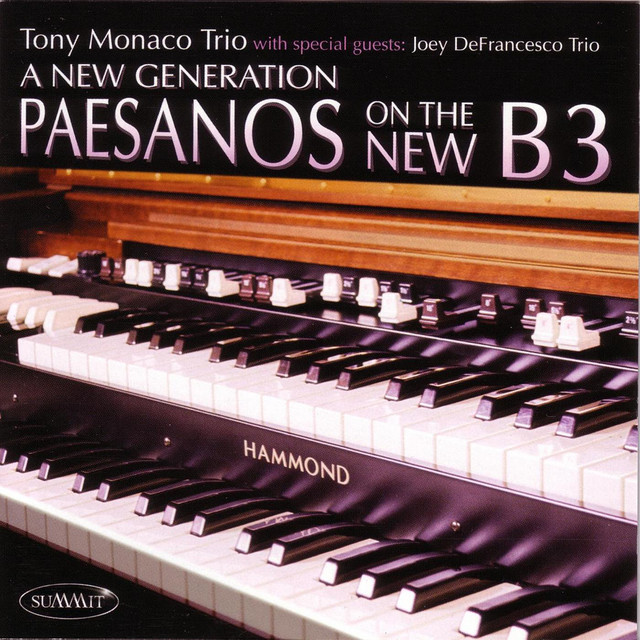
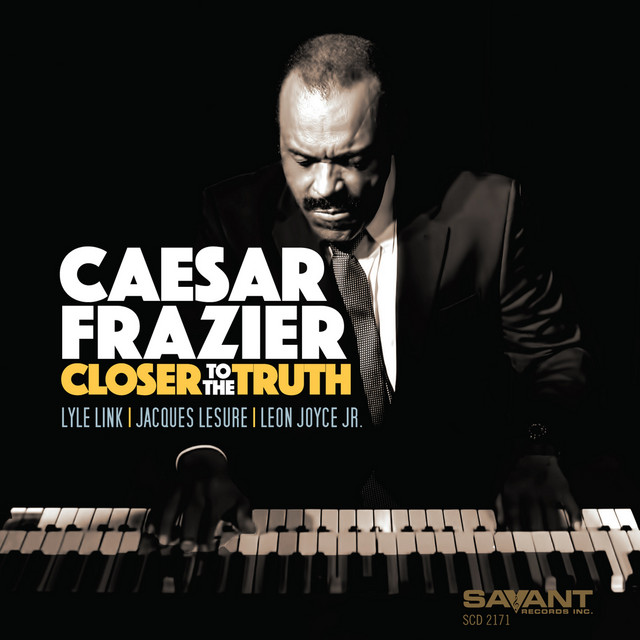
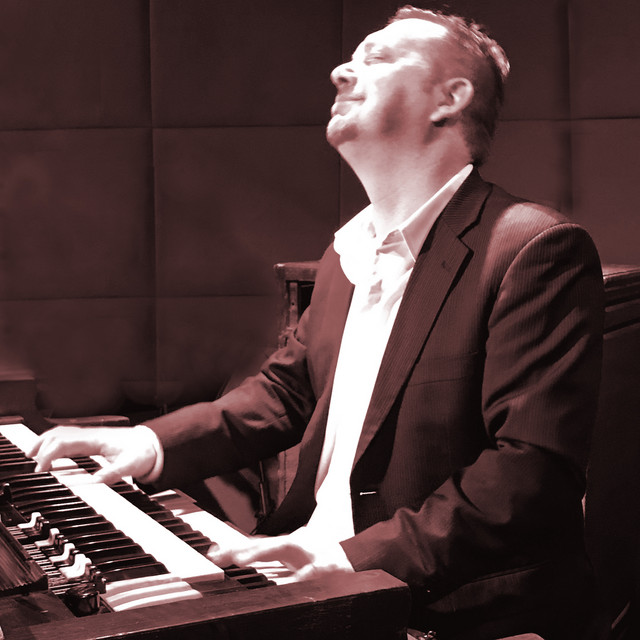
Jazz organ is a vibrant branch of jazz that centers the Hammond B-3’s thunderous, soulful voice within improvised music. Its sound is instantly recognizable: lush drawbar tones, the hypnotic warble of the Leslie speaker, and a rhythmic, blues-inflected punch that can swing, groove, or burn with blistering speed. The genre basically takes root in the 1940s and 1950s, when organists began to bring the instrument into jazz combos, blending gospel-derived sensibilities with jazz improvisation. The Hammond B-3’s combination of bass lines, chords, and melodic solos in one instrument revolutionized the piano-led ensemble, making the organ an indispensable voice in soul-jazz and hard bop.
If you were to name the pioneers, Jimmy Smith is the figure most often hailed as the torchbearer and ambassador of the jazz organ. His virtuosic technique, gospel-inflected phrasing, and pocket sense of swing on Blue Note and other labels late in the 1950s and into the 1960s popularized the organ trio format—usually organ plus drums and a guitarist or horn—so much that the sound became a genre in its own right. Following Smith’s path, a cadre of virtuosi pushed the language in new directions. Jack McDuff (the “Brother”), with a hard-swinging, soulful persona; Shirley Scott, the “Queen of the Organ,” who built a prolific catalog as a leader; Don Patterson and Jimmy McGriff, who kept the groove hungry and accessible; and Larry Young, who ventured into modal and spiritual jazz on records such as Unity, expanded the harmonic possibilities of organ-led ensembles. Charles Earland, another widely respected name, earned the nickname “Godfather of the Hammond” for his deeply groove-oriented, accessible approach. In the modern era, Joey DeFrancesco has carried the tradition forward with dazzling technique and broad collaborations, while Dr. Lonnie Smith has remained a vital presence, blending funk, hymn-like passages, and expansive improvisation. Together, these figures form a continuum—from the early blues-drenched swing to post-bop explorations and contemporary explorations of funk, spirituality, and fusion.
Country-wise, jazz organ found its strongest foothold in the United States, where the organ's gospel roots met jazz intuition in dense urban scenes from New York to Philadelphia and beyond. Over time, the music gained international appeal. Europe embraced organ jazz with enthusiasm—notably in the United Kingdom, the Netherlands, France, and Italy—where live clubs and festivals showcased organ-led ensembles and attracted devoted audiences. Japan developed a dedicated following as well, contributing a rigorous, technically adept audience that values both tradition and innovation. In the broader scene, organ players have often bridged jazz with soul, funk, and even Brazilian rhythms, leading to cross-pollinated projects and a steady stream of new recordings and live performances.
For enthusiasts, jazz organ offers a living history you can hear in the touch of the hands, the air of the Leslie, and the way a single player can supply bass lines, harmonic motion, and soaring solos in one instrument. It remains a dynamic, evolving language—the sound of the Hammond that can swing, sermonize, groove, and explore new modal territories with equal sincerity.
If you were to name the pioneers, Jimmy Smith is the figure most often hailed as the torchbearer and ambassador of the jazz organ. His virtuosic technique, gospel-inflected phrasing, and pocket sense of swing on Blue Note and other labels late in the 1950s and into the 1960s popularized the organ trio format—usually organ plus drums and a guitarist or horn—so much that the sound became a genre in its own right. Following Smith’s path, a cadre of virtuosi pushed the language in new directions. Jack McDuff (the “Brother”), with a hard-swinging, soulful persona; Shirley Scott, the “Queen of the Organ,” who built a prolific catalog as a leader; Don Patterson and Jimmy McGriff, who kept the groove hungry and accessible; and Larry Young, who ventured into modal and spiritual jazz on records such as Unity, expanded the harmonic possibilities of organ-led ensembles. Charles Earland, another widely respected name, earned the nickname “Godfather of the Hammond” for his deeply groove-oriented, accessible approach. In the modern era, Joey DeFrancesco has carried the tradition forward with dazzling technique and broad collaborations, while Dr. Lonnie Smith has remained a vital presence, blending funk, hymn-like passages, and expansive improvisation. Together, these figures form a continuum—from the early blues-drenched swing to post-bop explorations and contemporary explorations of funk, spirituality, and fusion.
Country-wise, jazz organ found its strongest foothold in the United States, where the organ's gospel roots met jazz intuition in dense urban scenes from New York to Philadelphia and beyond. Over time, the music gained international appeal. Europe embraced organ jazz with enthusiasm—notably in the United Kingdom, the Netherlands, France, and Italy—where live clubs and festivals showcased organ-led ensembles and attracted devoted audiences. Japan developed a dedicated following as well, contributing a rigorous, technically adept audience that values both tradition and innovation. In the broader scene, organ players have often bridged jazz with soul, funk, and even Brazilian rhythms, leading to cross-pollinated projects and a steady stream of new recordings and live performances.
For enthusiasts, jazz organ offers a living history you can hear in the touch of the hands, the air of the Leslie, and the way a single player can supply bass lines, harmonic motion, and soaring solos in one instrument. It remains a dynamic, evolving language—the sound of the Hammond that can swing, sermonize, groove, and explore new modal territories with equal sincerity.