Genre
jazz tuba
Top Jazz tuba Artists
Showing 14 of 14 artists


About Jazz tuba
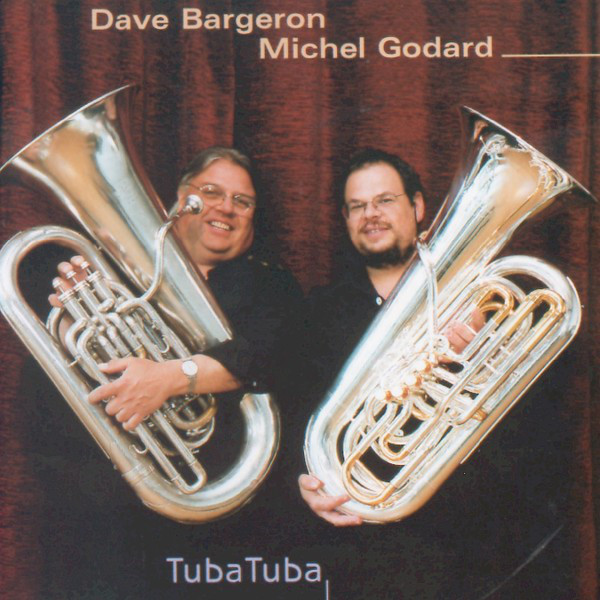
Jazz tuba is a niche but deeply evocative thread in the wider jazz tapestry, turning the instrument’s deep, resonant horn into a driving bassline, a melodic partner, and even a voice of its own. It sits at the crossroads of New Orleans brass-band tradition, early jazz, and contemporary improvised music, offering a warm, boots-on-the-ground texture that can be hypnotic in small ensembles and thunderous in larger brass settings.
Origins and evolution
The tuba’s role in jazz grows out of the city’s early brass bands and the need for a strong, portable bass voice in ensembles that moved and swung together. In the 1910s and 1920s, tubas and other low brass helped anchor the rhythm section before the double bass became the dominant bass instrument in many jazz groups. As the years rolled on, the tuba’s central, bass-forward role waned in many contexts, especially with the rise of the modern rhythm section. Yet the instrument never disappeared; it persisted in New Orleans revival groups, Dixieland outfits, and the more exploratory corners of jazz, where players could stretch the instrument’s range, timbre, and rhythmic possibilities.
Revival and notable voices
From the late 20th century onward, a new generation of players reasserted the tuba as a serious jazz instrument—sometimes as the lead voice in a section, sometimes as a flexible bass and color instrument. Key ambassadors include Don Butterfield, whose work across big bands and bebop-adjacent contexts helped keep the instrument visible in jazz circles; Bob Stewart, celebrated for his work in avant-garde, big-band, and collaborative settings; and Marcus Rojas, a contemporary figure recognized for expansive technique, musical humor, and a blend of tradition with modern improvisation. Another important thread comes from Howard Johnson, who championed the tuba in modern jazz and demonstrated its versatility across ensembles and styles. These players—along with numerous other virtuosic tubists—demonstred that the tuba can carry melody, drive swing, and converse with trumpets, trombones, and rhythm sections with equal authority.
Sound, technique, and repertoire
Jazz tuba favors a rich, rounded bass voice that can sweep through walking lines, pedal tones, bluesy improvisation, and counter-melodies. Players often combine traditional approaches with extended techniques: careful use of mute for lyric lines, quick slurs, and inventive multiphonics in avant-garde settings. In practice, you’ll hear tuba basslines that feel as sturdy as a bass guitar, as singable as a horn, and as responsive as a drum in the hands of a confident improviser. The repertoire ranges from New Orleans-style early jazz and Dixieland-inspired works to modern, genre-blurring compositions, where tuba acts as a central voice in the ensemble.
Geography and current scene
Jazz tuba has found audiences in the United States and across Europe, with strong scenes in cities known for traditional jazz and for bold, crossover experiments. New Orleans remains a well of inspiration, while New York, Chicago, and European capitals host groups that treat the tuba as a core instrument rather than a curiosity. Contemporary outfits such as brass bands, small jazz combos, and festival programs explore the instrument’s strengths, from intimate ballad playing to exuberant, high-energy blasts.
Listening pointers
For a taste of historic voices, seek out early New Orleans recordings and Dixieland-influenced sessions featuring tuba. For modern takes, explore Marcus Rojas’s projects, Don Butterfield’s wizardry in swing contexts, Bob Stewart’s orchestral and quintet work, and Howard Johnson’s multi-ensemble explorations. Ensemble groups like Tuba Skinny showcase a vibrant, street-level perspective on jazz tuba today.
In short, jazz tuba is a listener-friendly entry point into low-voiced improvisation that rewards attentive listening: it’s a bass that sings, a rhythm that sways, and an instrument that invites players and audiences to rethink the possibilities of the bottom end in jazz.
Origins and evolution
The tuba’s role in jazz grows out of the city’s early brass bands and the need for a strong, portable bass voice in ensembles that moved and swung together. In the 1910s and 1920s, tubas and other low brass helped anchor the rhythm section before the double bass became the dominant bass instrument in many jazz groups. As the years rolled on, the tuba’s central, bass-forward role waned in many contexts, especially with the rise of the modern rhythm section. Yet the instrument never disappeared; it persisted in New Orleans revival groups, Dixieland outfits, and the more exploratory corners of jazz, where players could stretch the instrument’s range, timbre, and rhythmic possibilities.
Revival and notable voices
From the late 20th century onward, a new generation of players reasserted the tuba as a serious jazz instrument—sometimes as the lead voice in a section, sometimes as a flexible bass and color instrument. Key ambassadors include Don Butterfield, whose work across big bands and bebop-adjacent contexts helped keep the instrument visible in jazz circles; Bob Stewart, celebrated for his work in avant-garde, big-band, and collaborative settings; and Marcus Rojas, a contemporary figure recognized for expansive technique, musical humor, and a blend of tradition with modern improvisation. Another important thread comes from Howard Johnson, who championed the tuba in modern jazz and demonstrated its versatility across ensembles and styles. These players—along with numerous other virtuosic tubists—demonstred that the tuba can carry melody, drive swing, and converse with trumpets, trombones, and rhythm sections with equal authority.
Sound, technique, and repertoire
Jazz tuba favors a rich, rounded bass voice that can sweep through walking lines, pedal tones, bluesy improvisation, and counter-melodies. Players often combine traditional approaches with extended techniques: careful use of mute for lyric lines, quick slurs, and inventive multiphonics in avant-garde settings. In practice, you’ll hear tuba basslines that feel as sturdy as a bass guitar, as singable as a horn, and as responsive as a drum in the hands of a confident improviser. The repertoire ranges from New Orleans-style early jazz and Dixieland-inspired works to modern, genre-blurring compositions, where tuba acts as a central voice in the ensemble.
Geography and current scene
Jazz tuba has found audiences in the United States and across Europe, with strong scenes in cities known for traditional jazz and for bold, crossover experiments. New Orleans remains a well of inspiration, while New York, Chicago, and European capitals host groups that treat the tuba as a core instrument rather than a curiosity. Contemporary outfits such as brass bands, small jazz combos, and festival programs explore the instrument’s strengths, from intimate ballad playing to exuberant, high-energy blasts.
Listening pointers
For a taste of historic voices, seek out early New Orleans recordings and Dixieland-influenced sessions featuring tuba. For modern takes, explore Marcus Rojas’s projects, Don Butterfield’s wizardry in swing contexts, Bob Stewart’s orchestral and quintet work, and Howard Johnson’s multi-ensemble explorations. Ensemble groups like Tuba Skinny showcase a vibrant, street-level perspective on jazz tuba today.
In short, jazz tuba is a listener-friendly entry point into low-voiced improvisation that rewards attentive listening: it’s a bass that sings, a rhythm that sways, and an instrument that invites players and audiences to rethink the possibilities of the bottom end in jazz.