Genre
jewish a capella
Top Jewish a capella Artists
Showing 22 of 22 artists





About Jewish a capella
Jewish a cappella is a vibrant, cellophane-bright niche of vocal music that blends traditional Jewish melodies with contemporary harmony and pop-inflected arrangements—performed entirely without instrumental accompaniment. It sits at an intersection of cantorial warmth, folk song DNA, and the easy energy of modern a cappella, often weaving Hebrew, Yiddish, and English lyrics into fast-paced medleys, lullabies, and holiday anthems.
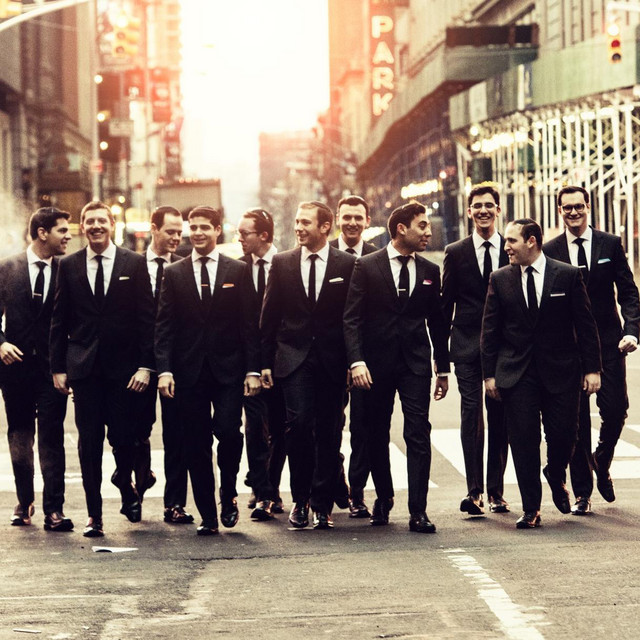
The genre’s modern birth is linked to the college and campus choir culture that flourished in North America at the turn of the 21st century. By the late 2000s, Jewish student groups began releasing polished videos and studio-aided performances that showcased virtuosic vocal layering, tight rhythm, and clever repackaging of familiar tunes. Among the trailblazers, a few ensembles became widely recognized ambassadors of Jewish a cappella. The Maccabeats, formed in 2007 at Yeshiva University, popularized the sound with catchy, payer-friendly arrangements and Hanukkah-themed releases that bridged Jewish tradition with mainstream pop sensibilities. Their videos—especially those centered on Chanukah—helped the genre reach audiences far beyond campus walls.
Another cornerstone group is Six13, known for crisp vocal percussion, intricate harmonies, and inventive medleys that splice Hebrew and English lyrics with contemporary hits. Six13’s approach—bright, punchy, and programmatically clever—has inspired countless newer groups to experiment with cross-cultural mashups and thematic albums. Together, The Maccabeats and Six13 are frequently cited as architects of the modern Jewish a cappella sound, shaping expectations for vocal technique, production quality, and audience accessibility.
Other notable ensembles quietly shaped the scene as well: groups arising from universities, synagogues, and Jewish community centers across North America, Europe, and Israel. Though names may evolve with each generation, the common thread remains: high-level vocal artistry, a capella-tight arrangements, and a mission to celebrate Jewish identity through voice.
Geographically, the genre has its strongest footprints in the United States and Canada, where large Jewish student populations and diversified diaspora communities provide fertile ground for new repertoire. Israel—the homeland of a rich cantorial and folk-music tradition—also hosts a lively scene, with locally rooted choirs and crossover projects that fuse liturgical modes with contemporary a cappella sensibilities. In Europe and the United Kingdom, a growing network of Jewish youth and university groups has kept the sound circulating, while online platforms have helped the music travel to Australia, South Africa, and beyond. The genre thrives on festivals, Jewish music conferences, and cross-genre collaborations, which keep it fresh and accessible to both traditional listeners and curious newcomers.
Stylistically, Jewish a cappella often features tight five- to six-part harmonies, rapid syllabic delivery, and inventive beatboxing or vocal percussion to substitute for drums. Arrangements range from reverent, liturgical-inspired pieces to playful, high-energy pop medleys and holiday specials. The emotional arc can be devotional, celebratory, or nostalgically folk-rooted, but the throughline is always a shared love of vocal craftsmanship and Jewish musical storytelling. For music enthusiasts, Jewish a cappella offers a compelling, communal listening experience—an aural passport to tradition, innovation, and joyful modernity.
The genre’s modern birth is linked to the college and campus choir culture that flourished in North America at the turn of the 21st century. By the late 2000s, Jewish student groups began releasing polished videos and studio-aided performances that showcased virtuosic vocal layering, tight rhythm, and clever repackaging of familiar tunes. Among the trailblazers, a few ensembles became widely recognized ambassadors of Jewish a cappella. The Maccabeats, formed in 2007 at Yeshiva University, popularized the sound with catchy, payer-friendly arrangements and Hanukkah-themed releases that bridged Jewish tradition with mainstream pop sensibilities. Their videos—especially those centered on Chanukah—helped the genre reach audiences far beyond campus walls.
Another cornerstone group is Six13, known for crisp vocal percussion, intricate harmonies, and inventive medleys that splice Hebrew and English lyrics with contemporary hits. Six13’s approach—bright, punchy, and programmatically clever—has inspired countless newer groups to experiment with cross-cultural mashups and thematic albums. Together, The Maccabeats and Six13 are frequently cited as architects of the modern Jewish a cappella sound, shaping expectations for vocal technique, production quality, and audience accessibility.
Other notable ensembles quietly shaped the scene as well: groups arising from universities, synagogues, and Jewish community centers across North America, Europe, and Israel. Though names may evolve with each generation, the common thread remains: high-level vocal artistry, a capella-tight arrangements, and a mission to celebrate Jewish identity through voice.
Geographically, the genre has its strongest footprints in the United States and Canada, where large Jewish student populations and diversified diaspora communities provide fertile ground for new repertoire. Israel—the homeland of a rich cantorial and folk-music tradition—also hosts a lively scene, with locally rooted choirs and crossover projects that fuse liturgical modes with contemporary a cappella sensibilities. In Europe and the United Kingdom, a growing network of Jewish youth and university groups has kept the sound circulating, while online platforms have helped the music travel to Australia, South Africa, and beyond. The genre thrives on festivals, Jewish music conferences, and cross-genre collaborations, which keep it fresh and accessible to both traditional listeners and curious newcomers.
Stylistically, Jewish a cappella often features tight five- to six-part harmonies, rapid syllabic delivery, and inventive beatboxing or vocal percussion to substitute for drums. Arrangements range from reverent, liturgical-inspired pieces to playful, high-energy pop medleys and holiday specials. The emotional arc can be devotional, celebratory, or nostalgically folk-rooted, but the throughline is always a shared love of vocal craftsmanship and Jewish musical storytelling. For music enthusiasts, Jewish a cappella offers a compelling, communal listening experience—an aural passport to tradition, innovation, and joyful modernity.