Genre
jewish hip hop
Top Jewish hip hop Artists
Showing 22 of 22 artists








About Jewish hip hop
Jewish hip hop is a cross-cultural fusion that blends hip‑hop’s rhythmic storytelling with Jewish identity, languages (Hebrew, Yiddish, and English), and musical motifs drawn from liturgy, cantorial chant, and klezmer. It’s not a single sound, but a spectrum: hard-edged rap, melodic flows, and often playful or spiritually reflective lyricism that speaks to diaspora, tradition, and modern life.
The scene began to coalesce as a defined subgenre in the late 1990s and early 2000s, though its roots go deeper. Jewish artists had been among hip‑hop’s earliest fans and participants, but a distinct “Jewish hip hop” community emerged around New York’s vibrant diaspora circles and later in Canada and Israel. The movement gained visibility through artist collectives, independent labels, and cross-cultural collaborations that highlighted Judaism as a living, evolving influence rather than a closed aesthetic.
Ambassadors and touchstones of the genre include:
- The Beastie Boys: pioneers who, as Jewish Brooklynites, helped bring hip hop to a global audience in the 1980s and 1990s. Their early success made Jewish identity part of hip hop’s broader narrative, even as they evolved far beyond any single label.
- Matisyahu: perhaps the best‑known modern ambassador, whose fusion of reggae, hip hop, and Jewish spirituality brought Jewish‑themed lyrics to a mainstream audience in the mid-2000s with records like Youth and the iconic live performances from venues across the U.S. and beyond. His work foregrounded spiritual themes while staying rooted in hip hop’s groove.
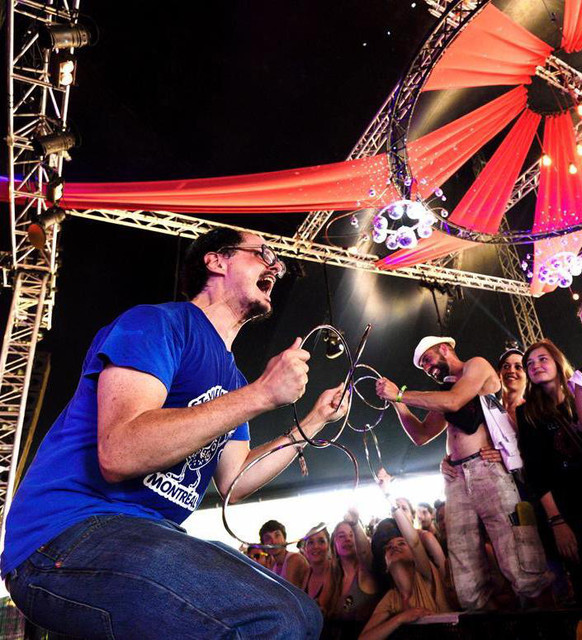
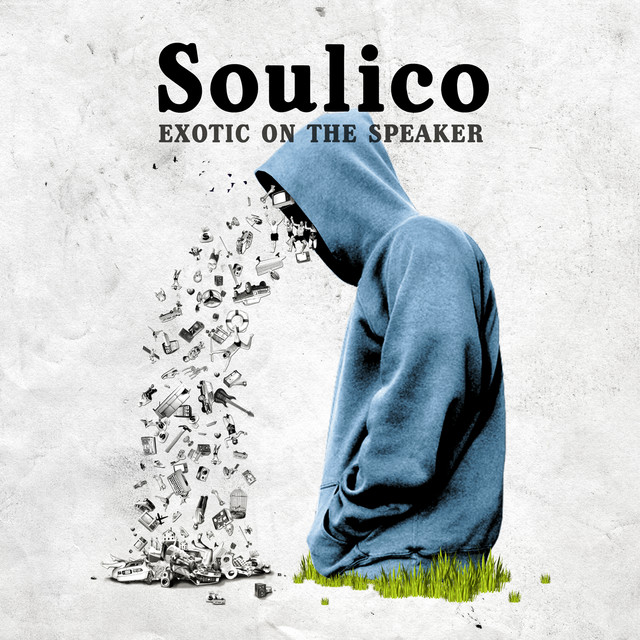
- Socalled: a Montreal‑based producer and MC who blends klezmer melodies, Yiddish phrases, and hip hop, exemplifying how Jewish music traditions can fracture and reframe contemporary rap.
- Kosha Dillz and Y-Love: contemporary U.S. artists who carry the tradition forward with Hebrew or English verses, touring widely and engaging with both Jewish communities and broader hip hop fans.
- Hadag Nahash (Israel): one of Israel’s most influential acts, blending Hebrew rap with funk and rock to comment on social issues, culture, and daily life—helping to localize Jewish hip hop within the Israeli scene.
Countrywise, Jewish hip hop thrives where there are strong Jewish communities and vibrant independent scenes: the United States (especially New York and Los Angeles), Israel, and Canada, with notable activity across Europe as listeners seek out the genre’s bilingual and cross-cultural appeal. In Israel, Hebrew-language groups fuse local sounds with global hip hop, while in North America the diaspora networks—clubs, universities, and community events—provide a steady audience. Socalled’s Montreal work helped place Jewish hip hop in Canada’s wider music map, illustrating how the movement travels with migratory and cultural flows.
Today, Jewish hip hop remains a niche but dynamic niche—an ongoing conversation between heritage and modern urban culture. It welcomes language hybrids, sampled or reimagined Jewish music, and a spectrum of aesthetics—from introspective lyricism to high‑energy party tracks. For enthusiasts, it offers a window into how tradition can be reinterpreted through rhythm, rhyme, and real-time cultural exchange. If you’re exploring the genre, start with the archetypal acts and then follow the currents into Israel, Montreal, and today’s touring artists who keep the conversation fresh and collaborative.
The scene began to coalesce as a defined subgenre in the late 1990s and early 2000s, though its roots go deeper. Jewish artists had been among hip‑hop’s earliest fans and participants, but a distinct “Jewish hip hop” community emerged around New York’s vibrant diaspora circles and later in Canada and Israel. The movement gained visibility through artist collectives, independent labels, and cross-cultural collaborations that highlighted Judaism as a living, evolving influence rather than a closed aesthetic.
Ambassadors and touchstones of the genre include:
- The Beastie Boys: pioneers who, as Jewish Brooklynites, helped bring hip hop to a global audience in the 1980s and 1990s. Their early success made Jewish identity part of hip hop’s broader narrative, even as they evolved far beyond any single label.
- Matisyahu: perhaps the best‑known modern ambassador, whose fusion of reggae, hip hop, and Jewish spirituality brought Jewish‑themed lyrics to a mainstream audience in the mid-2000s with records like Youth and the iconic live performances from venues across the U.S. and beyond. His work foregrounded spiritual themes while staying rooted in hip hop’s groove.
- Socalled: a Montreal‑based producer and MC who blends klezmer melodies, Yiddish phrases, and hip hop, exemplifying how Jewish music traditions can fracture and reframe contemporary rap.
- Kosha Dillz and Y-Love: contemporary U.S. artists who carry the tradition forward with Hebrew or English verses, touring widely and engaging with both Jewish communities and broader hip hop fans.
- Hadag Nahash (Israel): one of Israel’s most influential acts, blending Hebrew rap with funk and rock to comment on social issues, culture, and daily life—helping to localize Jewish hip hop within the Israeli scene.
Countrywise, Jewish hip hop thrives where there are strong Jewish communities and vibrant independent scenes: the United States (especially New York and Los Angeles), Israel, and Canada, with notable activity across Europe as listeners seek out the genre’s bilingual and cross-cultural appeal. In Israel, Hebrew-language groups fuse local sounds with global hip hop, while in North America the diaspora networks—clubs, universities, and community events—provide a steady audience. Socalled’s Montreal work helped place Jewish hip hop in Canada’s wider music map, illustrating how the movement travels with migratory and cultural flows.
Today, Jewish hip hop remains a niche but dynamic niche—an ongoing conversation between heritage and modern urban culture. It welcomes language hybrids, sampled or reimagined Jewish music, and a spectrum of aesthetics—from introspective lyricism to high‑energy party tracks. For enthusiasts, it offers a window into how tradition can be reinterpreted through rhythm, rhyme, and real-time cultural exchange. If you’re exploring the genre, start with the archetypal acts and then follow the currents into Israel, Montreal, and today’s touring artists who keep the conversation fresh and collaborative.