Genre
jewish pop
Top Jewish pop Artists
Showing 25 of 91 artists






9

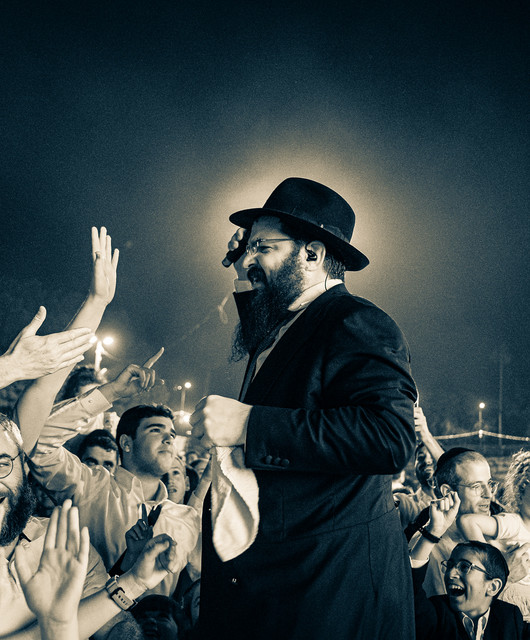
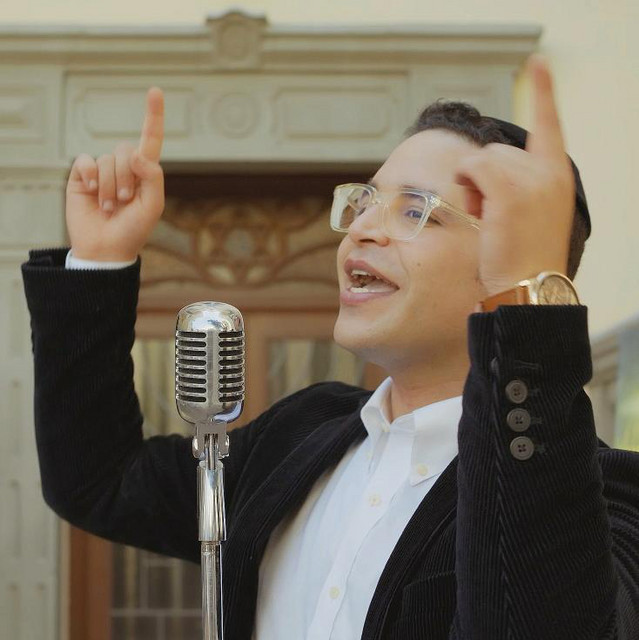
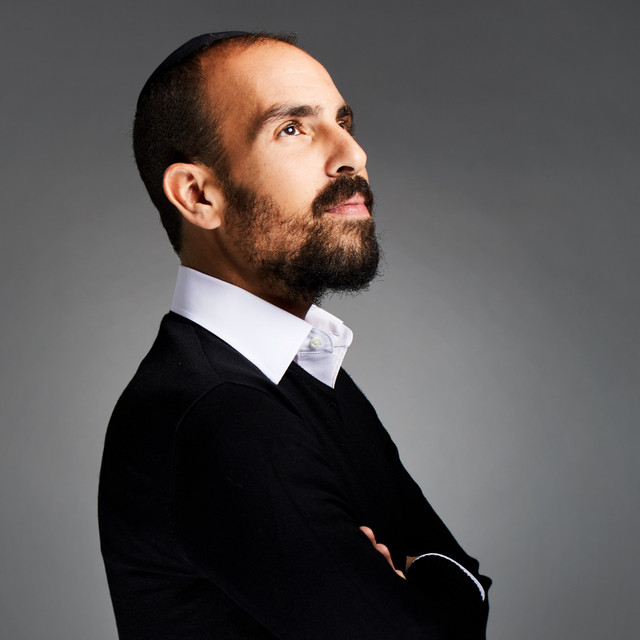
משה קליין
Israel
16,438
61,913 listeners





17
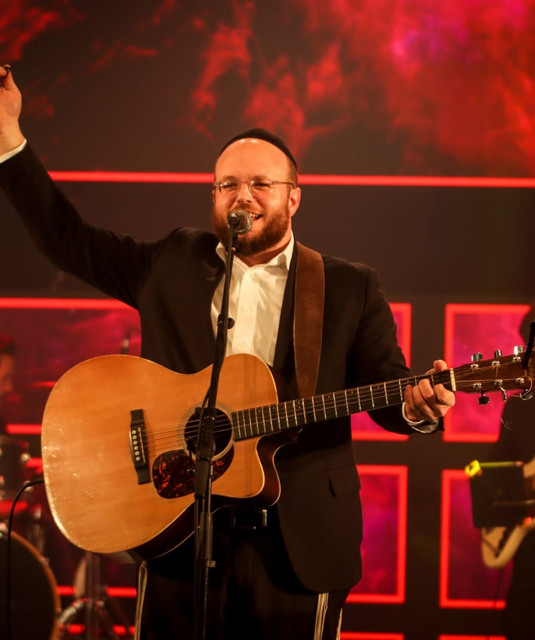
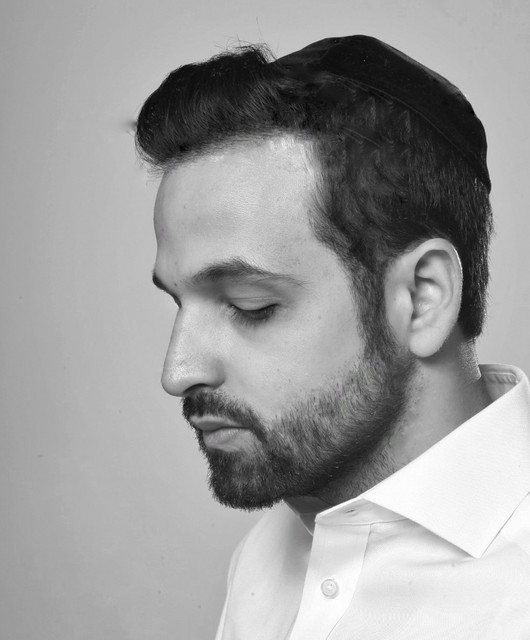
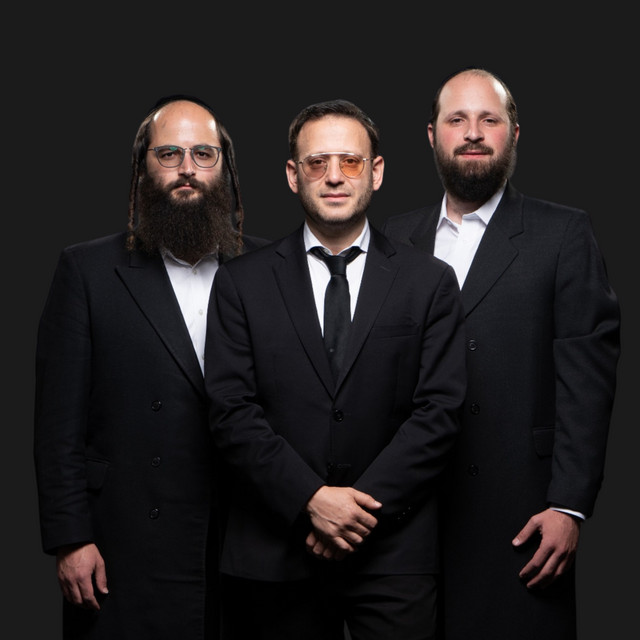
נמואל
Israel
11,231
47,919 listeners







About Jewish pop
Jewish pop is a vibrant fusion genre that sits at the crossroads of contemporary pop, folk, and traditional Jewish sounds. It encompasses songs that speak in Hebrew, Yiddish, Ladino, or English about communal memory, faith, love, and daily life, while drawing on melodic devices from klezmer, Mizrahi, and world music. The result is music that feels both modern and rooted in a long, diasporic cultural conversation—bright, melodic, and often rhythmic enough to make listeners want to sing along.
Origins and evolution are braided with the broader stories of Jewish music in the diasporas. In the United States and Europe, postwar Jewish performers blended popular songcraft with Yiddish theatre, klezmer revival energy, and later rock, reggae, hip hop, and electronic textures. By the late 20th century, a new wave of artists began to fuse traditional Jewish motifs with accessible pop production, paving the way for a distinctly contemporary Jewish pop aesthetic. Across Israel and the Jewish communities of the world, the genre evolved through cross-cultural collaboration, from the street-level sincerity of folk-inflected acts to the glossy, globalized sound of modern pop with Jewish content.
Key ambassadors and representative acts illustrate the range of the scene. Matisyahu popularized a sunlit blend of reggae-tinged hip hop with overt Jewish spirituality, his live performances and albums bringing attention to a spiritual, diaspora-centered pop voice that still feels contemporary and catchy. The Idan Raichel Project reimagined Israeli pop by weaving Ethiopian Jewish musical influences with Western pop and R&B production, creating a worldwide appeal that helped redefine Israeli pop as a global fusion language. The Maccabeats, a cappella students from a university setting, demonstrated how a “Jewish pop” ethos can go viral—reimagining familiar pop melodies with Hebrew and festive Hanukkah themes while preserving a clean, radio-friendly sound. Socalled (Josh Dolgin) built a bridge between klezmer, hip hop, soul, and electronic music, presenting witty, emotionally resonant Jewish storytelling through a modern beat-driven lens. The Klezmatics have been central to the revival of traditional Yiddish-influenced sounds within a pop/rock context, showing how Jewish folk can rocket into contemporary musical circles without losing its historical voice. In the same family, bands like Golem and a host of other ensembles keep pushing the boundary between Yiddish songcraft and modern arrangements, proving that Jewish pop is not a single sound but an umbrella for varied, global influences.
Characteristically, Jewish pop thrives on bilingual or multilingual lyrics, lyrical references to Jewish history and liturgy, and a willingness to blend clarinet lines, accordion, electronic production, and acoustic guitar into accessible songs. It is most visible in the United States and Israel, where diasporic communities generate both demand and creativity. It also has sturdy scenes in Canada, the United Kingdom, France, and parts of Europe and Australia, where Jewish communities support festivals, venues, and collaborations that keep the genre dynamic.
For listeners and collectors, Jewish pop offers a contemporary, catchy entry point into a rich cultural conversation. It’s not just music; it’s a living dialogue between tradition and modern life, between Hebrew cantillation and the hook of a pop chorus. If you love music that feels celebratory, thoughtful, and endlessly adaptable, Jewish pop is well worth exploring.
Origins and evolution are braided with the broader stories of Jewish music in the diasporas. In the United States and Europe, postwar Jewish performers blended popular songcraft with Yiddish theatre, klezmer revival energy, and later rock, reggae, hip hop, and electronic textures. By the late 20th century, a new wave of artists began to fuse traditional Jewish motifs with accessible pop production, paving the way for a distinctly contemporary Jewish pop aesthetic. Across Israel and the Jewish communities of the world, the genre evolved through cross-cultural collaboration, from the street-level sincerity of folk-inflected acts to the glossy, globalized sound of modern pop with Jewish content.
Key ambassadors and representative acts illustrate the range of the scene. Matisyahu popularized a sunlit blend of reggae-tinged hip hop with overt Jewish spirituality, his live performances and albums bringing attention to a spiritual, diaspora-centered pop voice that still feels contemporary and catchy. The Idan Raichel Project reimagined Israeli pop by weaving Ethiopian Jewish musical influences with Western pop and R&B production, creating a worldwide appeal that helped redefine Israeli pop as a global fusion language. The Maccabeats, a cappella students from a university setting, demonstrated how a “Jewish pop” ethos can go viral—reimagining familiar pop melodies with Hebrew and festive Hanukkah themes while preserving a clean, radio-friendly sound. Socalled (Josh Dolgin) built a bridge between klezmer, hip hop, soul, and electronic music, presenting witty, emotionally resonant Jewish storytelling through a modern beat-driven lens. The Klezmatics have been central to the revival of traditional Yiddish-influenced sounds within a pop/rock context, showing how Jewish folk can rocket into contemporary musical circles without losing its historical voice. In the same family, bands like Golem and a host of other ensembles keep pushing the boundary between Yiddish songcraft and modern arrangements, proving that Jewish pop is not a single sound but an umbrella for varied, global influences.
Characteristically, Jewish pop thrives on bilingual or multilingual lyrics, lyrical references to Jewish history and liturgy, and a willingness to blend clarinet lines, accordion, electronic production, and acoustic guitar into accessible songs. It is most visible in the United States and Israel, where diasporic communities generate both demand and creativity. It also has sturdy scenes in Canada, the United Kingdom, France, and parts of Europe and Australia, where Jewish communities support festivals, venues, and collaborations that keep the genre dynamic.
For listeners and collectors, Jewish pop offers a contemporary, catchy entry point into a rich cultural conversation. It’s not just music; it’s a living dialogue between tradition and modern life, between Hebrew cantillation and the hook of a pop chorus. If you love music that feels celebratory, thoughtful, and endlessly adaptable, Jewish pop is well worth exploring.