Genre
k-indie
Top K-indie Artists
Showing 25 of 92 artists








About K-indie
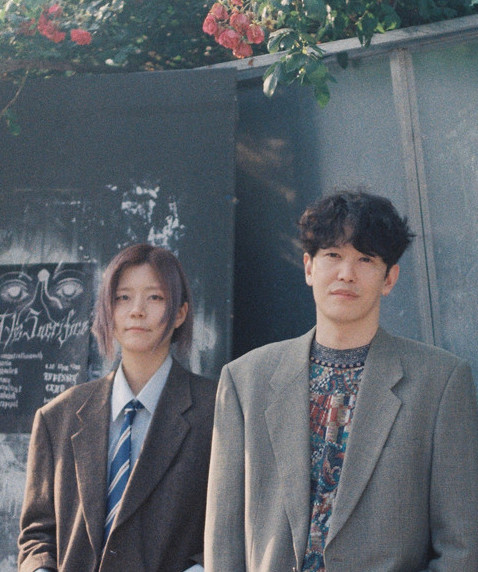
K-indie is the Korean independent music scene, a loose umbrella for indie rock, indie pop, post-rock, dream pop, folk, and experimental sounds made outside the major K-pop system. It emerged in the late 1990s and early 2000s from Seoul’s vibrant underground, university clubs, and DIY labels, where bands could pursue artistic freedom away from glossy mainstream productions. Pioneers such as Crying Nut and 3rd Line Butterfly helped lay the groundwork, proving that Korean musicians could build a following on their own terms. As the decade turned, a new generation—Nell, Say Sue Me, The Black Skirts, Standing Egg, and others—built on that foundation, slowly turning a local scene into a recognizable, enduring movement.
Musically, K-indie is diverse yet cohesive in spirit: intimate, melodic storytelling, a willingness to experiment, and a sensibility that often leans toward the melancholic or the reflective. Korean lyrics frequently carry emotional weight, but many acts also embrace English phrases to reach international listeners. The sound ranges from jangly guitars and warm melodies to shimmering dream-pop textures, to more austere, post-rock-inflected textures. Jambinai stands out as a standout ambassador for the boundary-pending edge of K-indie, blending post-rock with traditional Korean instruments like the geomungo and piri, creating a sound that feels ancient and contemporary at once. Hyukoh, with his hooky, almost unpolished indie rock, became a global calling card for the scene after touring and festival appearances worldwide. Nell offers emotive guitar-driven songs that sit somewhere between alt-rock and pop tenderness. Say Sue Me, a brainchild from Busan, has been celebrated for their infectious, retro-tinged indie rock, earning listeners across Asia and beyond. The Black Skirts and Standing Egg have helped popularize a more song-centered, lo-fi aesthetic that remains deeply Korean in its mood and phrasing. There are also more experimental pockets, including noise-inflected and ambient-influenced works, often released on independent labels or self-released with a DIY ethic.
Geography matters: the heart of K-indie beats in Seoul, especially around the Hongdae and Hapjeong neighborhoods, where clubs, small venues, and indie labels foster ongoing collaboration. Beyond Korea, K-indie found audiences in Japan, Taiwan, and Southeast Asia, then spread through streaming platforms and international festivals. Notable gathering points include Zandari Festa in Seoul, a festival and showcase that became a launchpad for many acts, along with other cross-border tours and collaborations. In recent years, acts from Korea have begun to appear at global stages—Coachella, Glastonbury, and SXSW among them—helping to reframe “K-indie” as a legitimate alternative to the glossy sound of mainstream K-pop.
For listeners, K-indie offers a human-scaled, intimate counterpoint to glossy pop: music that carries a sense of place, a willingness to take risks, and a storytelling texture that invites close listening. It’s a genre built on community, experimentation, and a stubborn belief that music can be personal, urgent, and widely resonant at the same time.
Musically, K-indie is diverse yet cohesive in spirit: intimate, melodic storytelling, a willingness to experiment, and a sensibility that often leans toward the melancholic or the reflective. Korean lyrics frequently carry emotional weight, but many acts also embrace English phrases to reach international listeners. The sound ranges from jangly guitars and warm melodies to shimmering dream-pop textures, to more austere, post-rock-inflected textures. Jambinai stands out as a standout ambassador for the boundary-pending edge of K-indie, blending post-rock with traditional Korean instruments like the geomungo and piri, creating a sound that feels ancient and contemporary at once. Hyukoh, with his hooky, almost unpolished indie rock, became a global calling card for the scene after touring and festival appearances worldwide. Nell offers emotive guitar-driven songs that sit somewhere between alt-rock and pop tenderness. Say Sue Me, a brainchild from Busan, has been celebrated for their infectious, retro-tinged indie rock, earning listeners across Asia and beyond. The Black Skirts and Standing Egg have helped popularize a more song-centered, lo-fi aesthetic that remains deeply Korean in its mood and phrasing. There are also more experimental pockets, including noise-inflected and ambient-influenced works, often released on independent labels or self-released with a DIY ethic.
Geography matters: the heart of K-indie beats in Seoul, especially around the Hongdae and Hapjeong neighborhoods, where clubs, small venues, and indie labels foster ongoing collaboration. Beyond Korea, K-indie found audiences in Japan, Taiwan, and Southeast Asia, then spread through streaming platforms and international festivals. Notable gathering points include Zandari Festa in Seoul, a festival and showcase that became a launchpad for many acts, along with other cross-border tours and collaborations. In recent years, acts from Korea have begun to appear at global stages—Coachella, Glastonbury, and SXSW among them—helping to reframe “K-indie” as a legitimate alternative to the glossy sound of mainstream K-pop.
For listeners, K-indie offers a human-scaled, intimate counterpoint to glossy pop: music that carries a sense of place, a willingness to take risks, and a storytelling texture that invites close listening. It’s a genre built on community, experimentation, and a stubborn belief that music can be personal, urgent, and widely resonant at the same time.