Genre
k-pop ballad
Top K-pop ballad Artists
Showing 19 of 19 artists










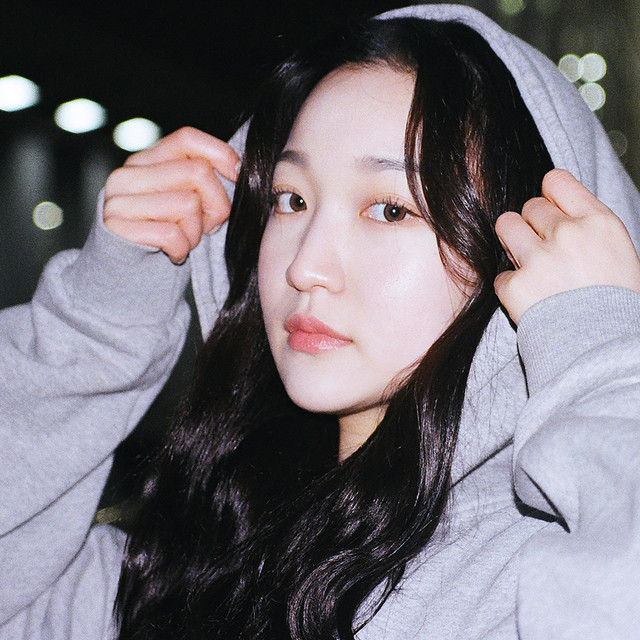


About K-pop ballad
K-pop ballad is a subgenre within Korean pop that prioritizes vocal storytelling, tender melodies, and refined, often piano- or string-driven arrangements. It sits alongside the dance-focused idol tracks that many fans associate with K-pop, but its core aim is emotional immediacy: a singer’s voice laid bare, lyrics that lean into heartbreak, longing, or quiet reflection, and a production footprint that lets the voice carry the weight of the song.
The modern K-pop ballad has roots that trace back to Korea’s long tradition of strong vocal pop—a tradition that predated the idol era. In the late 1990s and early 2000s, as Korean pop broadened beyond dance tracks, a more contemplative sound began to take hold. A pivotal moment came with groups and vocal-led acts that emphasized harmony, warmth, and expressive phrasing. In the mid-2000s, SG Wannabe helped crystallize the contemporary ballad aesthetic: lush arrangements, multi-layered harmonies, and songs designed for deep emotional impact. Their breakthrough set a template that many later acts would follow.
Today’s K-pop ballads are characterized by several running features. The tempo is typically slow to mid, with a strong focus on melody that can swell into a climatic chorus or retreat into intimate, quiet moments. Instrumentation ranges from simple piano and acoustic guitar to orchestral strings and subtle digital textures. Vocals are the star, deployed with precise control, breath, and phrasing that can bend into virtuosic runs or restrained, almost spoken-sung storytelling. Lyrically, the songs often revolve around love’s ache, memories of past relationships, or the ache of unspoken feelings, though some ballads explore hope and resilience with a softer cadence than their more dramatic predecessors.
Culturally, K-pop ballads have a robust cross-media presence. They frequently anchor drama soundtracks (OSTs), which helps popularize the songs beyond fans of a single group. They also tend to chart well during Korea’s year-end awards season, reinforcing the gravity of vocal prowess in the public eye. The genre’s appeal extends beyond South Korea: it has a strong following in Japan, China, and across Southeast Asia, where these songs travel well through drama collaborations and streaming platforms. In recent years, a new generation of singers—female soloists and male vocalists—has kept the tradition alive, blending classical ballad sensibilities with contemporary pop production.
Ambassadors and key figures of the genre include a mix of elder statesmen and modern torchbearers. SG Wannabe is remembered as a modern ballad pioneer; Sung Si-kyung is often celebrated as a national “balladeer” for his consistently expressive, bare-bones vocal style. Female voices like Baek Ji-young and IU have expanded the repertoire with contemporary, radio-friendly ballads, while K-pop icons such as Taeyeon and Park Hyo-shin, and singer-songwriters like K.Will, have kept the sound fresh for younger listeners. These artists—across generations—together define what listeners expect from a K-pop ballad: a moment of emotional clarity delivered through voice, melody, and restraint.
If you love songs that invite you to lean in and feel, the K-pop ballad offers a richly sung, culturally resonant suite of narratives that continue to evolve while honoring a deeply human impulse to sing when words alone aren’t enough.
The modern K-pop ballad has roots that trace back to Korea’s long tradition of strong vocal pop—a tradition that predated the idol era. In the late 1990s and early 2000s, as Korean pop broadened beyond dance tracks, a more contemplative sound began to take hold. A pivotal moment came with groups and vocal-led acts that emphasized harmony, warmth, and expressive phrasing. In the mid-2000s, SG Wannabe helped crystallize the contemporary ballad aesthetic: lush arrangements, multi-layered harmonies, and songs designed for deep emotional impact. Their breakthrough set a template that many later acts would follow.
Today’s K-pop ballads are characterized by several running features. The tempo is typically slow to mid, with a strong focus on melody that can swell into a climatic chorus or retreat into intimate, quiet moments. Instrumentation ranges from simple piano and acoustic guitar to orchestral strings and subtle digital textures. Vocals are the star, deployed with precise control, breath, and phrasing that can bend into virtuosic runs or restrained, almost spoken-sung storytelling. Lyrically, the songs often revolve around love’s ache, memories of past relationships, or the ache of unspoken feelings, though some ballads explore hope and resilience with a softer cadence than their more dramatic predecessors.
Culturally, K-pop ballads have a robust cross-media presence. They frequently anchor drama soundtracks (OSTs), which helps popularize the songs beyond fans of a single group. They also tend to chart well during Korea’s year-end awards season, reinforcing the gravity of vocal prowess in the public eye. The genre’s appeal extends beyond South Korea: it has a strong following in Japan, China, and across Southeast Asia, where these songs travel well through drama collaborations and streaming platforms. In recent years, a new generation of singers—female soloists and male vocalists—has kept the tradition alive, blending classical ballad sensibilities with contemporary pop production.
Ambassadors and key figures of the genre include a mix of elder statesmen and modern torchbearers. SG Wannabe is remembered as a modern ballad pioneer; Sung Si-kyung is often celebrated as a national “balladeer” for his consistently expressive, bare-bones vocal style. Female voices like Baek Ji-young and IU have expanded the repertoire with contemporary, radio-friendly ballads, while K-pop icons such as Taeyeon and Park Hyo-shin, and singer-songwriters like K.Will, have kept the sound fresh for younger listeners. These artists—across generations—together define what listeners expect from a K-pop ballad: a moment of emotional clarity delivered through voice, melody, and restraint.
If you love songs that invite you to lean in and feel, the K-pop ballad offers a richly sung, culturally resonant suite of narratives that continue to evolve while honoring a deeply human impulse to sing when words alone aren’t enough.