Genre
k-pop boy group
Top K-pop boy group Artists
Showing 25 of 66 artists












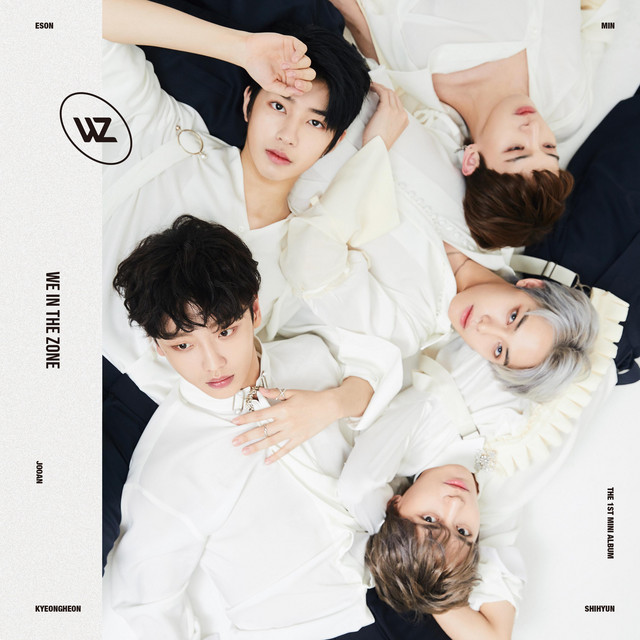

About K-pop boy group
A K-pop boy group is a man-centered unit within South Korea’s vibrant pop ecosystem that blends singing, rap, and highly disciplined choreography with image-driven storytelling. Though it sits in the wider umbrella of K-pop, the boy group form is defined by a rotating cast of members who train for years, debut with a distinct concept, and build a global fan culture around tight performances, polished visuals, and multimedia storytelling. The result is a portable, exportable package: music videos shot in cinematic style, stage routines that demand precision, and social-media engagement that keeps fans involved between comebacks.
The birth of modern K-pop boy groups is usually traced to the early 1990s and the rise of the broader “idol” system in South Korea. Pioneers like Seo Taiji and Boys (debuting in 1992) broke with old-school formats by blending Western pop with Korean lyricism, setting the template for future groups. The mid- to late-1990s produced H.O.T. (1996) and Sechs Kies, among others, as first-generation acts that fused youthful energy, choreographed dance, and fan-centric promotion. Through the 2000s, second-generation groups such as TVXQ, Super Junior, SHINee, and BIGBANG refined the formula—strong vocal performances, standout rap verses, and concept-driven eras—while the modern idol-training system matured, emphasizing trainee pipelines, light-stick fandoms, and synchronized group dances.
Musically, K-pop boy groups operate across a spectrum: infectious dance-pop, glossy R&B, hip-hop swagger, EDM-infused club cuts, and ballads that showcase vocal range. Their tracks are often built around hooky choruses, dynamic drops, and ensemble vocal harmonies designed to sound compelling in both streaming and live performance. Visuals matter as much as melodies: music videos and concept photos carry narratives that unfold across comebacks, albums, and concert tours. The choreography is a distinctive language—multi-person formations, sharp timing, and signature moves that fans learn and replicate.
Today’s most influential ambassadors include BTS, who helped redefine global reach for male idol groups with record-breaking streaming, two U.S. arena tours, and a role in diplomacy through partnerships with UNICEF and the United Nations. Other landmark acts—EXO, SHINee, Super Junior, BIGBANG, GOT7, Stray Kids, and NCT—each expanded the model in different directions: commanding international tours, venturing into solo projects, and pioneering sub-unit or multiverse concepts that blur the line between music and theater. Collectively, these groups have become symbols of the genre’s breadth: glossy pop production, cross-cultural collaboration, and a robust ecosystem of producers, choreographers, stylists, and managers.
K-pop boy groups enjoy broad popularity beyond South Korea, with strong followings in Japan, Southeast Asia, North America, Europe, and Latin America. Their reach is amplified by YouTube presence, streaming platforms, KCON-style conventions, and fan-teams (ARMY, EXO-L, Shawols, and more) who actively promote, translate, stream, and attend concerts. While Korea remains the home base, the genre now functions as a global pop conversation—an ongoing dialogue between meticulously crafted performances and an international audience hungry for the next era of dazzling choreography and catchy, high-gloss music.
The birth of modern K-pop boy groups is usually traced to the early 1990s and the rise of the broader “idol” system in South Korea. Pioneers like Seo Taiji and Boys (debuting in 1992) broke with old-school formats by blending Western pop with Korean lyricism, setting the template for future groups. The mid- to late-1990s produced H.O.T. (1996) and Sechs Kies, among others, as first-generation acts that fused youthful energy, choreographed dance, and fan-centric promotion. Through the 2000s, second-generation groups such as TVXQ, Super Junior, SHINee, and BIGBANG refined the formula—strong vocal performances, standout rap verses, and concept-driven eras—while the modern idol-training system matured, emphasizing trainee pipelines, light-stick fandoms, and synchronized group dances.
Musically, K-pop boy groups operate across a spectrum: infectious dance-pop, glossy R&B, hip-hop swagger, EDM-infused club cuts, and ballads that showcase vocal range. Their tracks are often built around hooky choruses, dynamic drops, and ensemble vocal harmonies designed to sound compelling in both streaming and live performance. Visuals matter as much as melodies: music videos and concept photos carry narratives that unfold across comebacks, albums, and concert tours. The choreography is a distinctive language—multi-person formations, sharp timing, and signature moves that fans learn and replicate.
Today’s most influential ambassadors include BTS, who helped redefine global reach for male idol groups with record-breaking streaming, two U.S. arena tours, and a role in diplomacy through partnerships with UNICEF and the United Nations. Other landmark acts—EXO, SHINee, Super Junior, BIGBANG, GOT7, Stray Kids, and NCT—each expanded the model in different directions: commanding international tours, venturing into solo projects, and pioneering sub-unit or multiverse concepts that blur the line between music and theater. Collectively, these groups have become symbols of the genre’s breadth: glossy pop production, cross-cultural collaboration, and a robust ecosystem of producers, choreographers, stylists, and managers.
K-pop boy groups enjoy broad popularity beyond South Korea, with strong followings in Japan, Southeast Asia, North America, Europe, and Latin America. Their reach is amplified by YouTube presence, streaming platforms, KCON-style conventions, and fan-teams (ARMY, EXO-L, Shawols, and more) who actively promote, translate, stream, and attend concerts. While Korea remains the home base, the genre now functions as a global pop conversation—an ongoing dialogue between meticulously crafted performances and an international audience hungry for the next era of dazzling choreography and catchy, high-gloss music.