Genre
kansai indie
Top Kansai indie Artists
Showing 11 of 11 artists
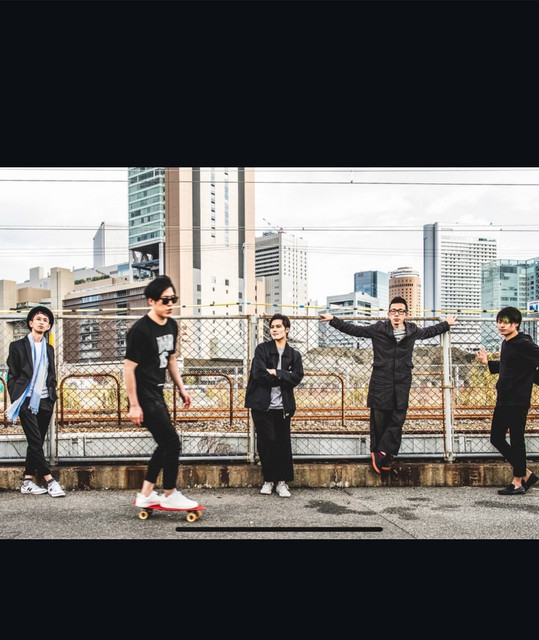


4
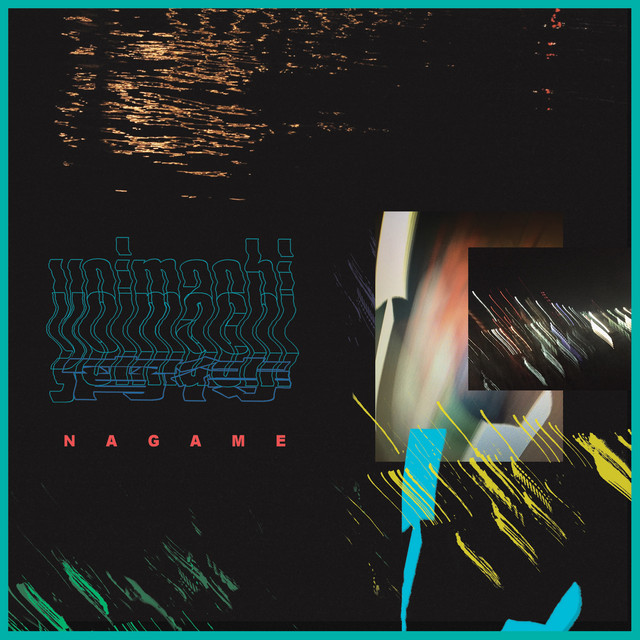
宵待
460
61 listeners



9
はいからはくち
75
- listeners

About Kansai indie
Kansai indie is best understood as a regional current inside Japan’s broader indie scene, centered in the Kansai corridor of Osaka, Kyoto and Kobe. It’s less a rigid set of rules than a shared ethos: a DIY spirit, intimate live-venue culture, and a willingness to blend genres—garage rock, indie pop, post-punk, shoegaze, and experimental textures—into fresh, guitar-driven music. The sound often favors warmth and immediacy over polish, with melodic hooks that can sit beside fuzzed-out riffs, quirky arrangements, and a nagging sense of playfulness or edge.
Origins and timeline
The Kansai indie scene began taking shape in the late 1990s and reached a more visible footing in the early to mid-2000s, as independent labels and small live spaces in Osaka, Kyoto, and Kobe fostered local bands outside the mainstream. It inherited a rich local culture of underground clubs, zines, and collaborative networks—the kind of ecosystem where a cassette release could become a club favorite and a regional tour could build momentum. While Tokyo loomed large in Japan’s national spotlight, Kansai developed its own voice, producing acts that could pivot quickly between catchy pop hooks and abrasive, avant-garde textures, all while maintaining a sense of place in the region’s live scene.
Sound and aesthetics
Kansai indie thrives on hybridity. You’ll hear jangly guitars, punchy rhythms, and lots of energy, but also delicate, melodic passages and experimental flourishes. The production tends toward immediacy—sometimes lo-fi, sometimes polished enough to punch through a crowded room—with a emphasis on atmosphere and mood as much as melody. Songs can move from brash garage swagger to introspective indie pop in a single set, and linguistic choices vary from Japanese to English phrases, sometimes within the same track. The sense of community—bands sharing bills, collaborating on releases, and trading tips on DIY distribution—also shapes the sound, giving Kansai acts a practical, do-it-yourself edge.
Ambassadors and notable acts
- Shonen Knife (Osaka): One of the oldest and most influential acts associated with Osaka’s indie-adjacent scene, formed in 1981. Their garage-pop energy and fearless independences helped shape what many associate with Kansai’s indie spirit.
- Gesu no Kiwami Otome (Osaka): Emerging in the 2010s, this band fused theatricality with sharp indie-rock and pop sensibilities, becoming a high-profile example of how Kansai acts can reach wider audiences while staying rooted in the region’s DIY and collaborative ethos.
Geography and audience
Kansai indie remains most popular within Japan, where it has a loyal following among fans who attend live houses, basement gigs, and regional festivals. Outside Japan, it tends to attract niche interest—metal, noise, and indie-curious audiences in Europe and North America who seek out Japan’s varied indie sounds. The rise of streaming has helped, allowing Kansai acts to reach listeners beyond regional venues and small labels.
Why it matters to enthusiasts
For listeners who crave music with character, Kansai indie offers a vivid snapshot of a regional ecosystem that keeps buoyant, inventive energy alive outside the big-city spotlight. It’s about community, versatility, and the steady drumbeat of bands who push boundaries without losing hook-driven appeal. If you’re chasing a scene that blends raw immediacy with melodic inventiveness, Kansai indie is a compelling detour worth exploring.
Origins and timeline
The Kansai indie scene began taking shape in the late 1990s and reached a more visible footing in the early to mid-2000s, as independent labels and small live spaces in Osaka, Kyoto, and Kobe fostered local bands outside the mainstream. It inherited a rich local culture of underground clubs, zines, and collaborative networks—the kind of ecosystem where a cassette release could become a club favorite and a regional tour could build momentum. While Tokyo loomed large in Japan’s national spotlight, Kansai developed its own voice, producing acts that could pivot quickly between catchy pop hooks and abrasive, avant-garde textures, all while maintaining a sense of place in the region’s live scene.
Sound and aesthetics
Kansai indie thrives on hybridity. You’ll hear jangly guitars, punchy rhythms, and lots of energy, but also delicate, melodic passages and experimental flourishes. The production tends toward immediacy—sometimes lo-fi, sometimes polished enough to punch through a crowded room—with a emphasis on atmosphere and mood as much as melody. Songs can move from brash garage swagger to introspective indie pop in a single set, and linguistic choices vary from Japanese to English phrases, sometimes within the same track. The sense of community—bands sharing bills, collaborating on releases, and trading tips on DIY distribution—also shapes the sound, giving Kansai acts a practical, do-it-yourself edge.
Ambassadors and notable acts
- Shonen Knife (Osaka): One of the oldest and most influential acts associated with Osaka’s indie-adjacent scene, formed in 1981. Their garage-pop energy and fearless independences helped shape what many associate with Kansai’s indie spirit.
- Gesu no Kiwami Otome (Osaka): Emerging in the 2010s, this band fused theatricality with sharp indie-rock and pop sensibilities, becoming a high-profile example of how Kansai acts can reach wider audiences while staying rooted in the region’s DIY and collaborative ethos.
Geography and audience
Kansai indie remains most popular within Japan, where it has a loyal following among fans who attend live houses, basement gigs, and regional festivals. Outside Japan, it tends to attract niche interest—metal, noise, and indie-curious audiences in Europe and North America who seek out Japan’s varied indie sounds. The rise of streaming has helped, allowing Kansai acts to reach listeners beyond regional venues and small labels.
Why it matters to enthusiasts
For listeners who crave music with character, Kansai indie offers a vivid snapshot of a regional ecosystem that keeps buoyant, inventive energy alive outside the big-city spotlight. It’s about community, versatility, and the steady drumbeat of bands who push boundaries without losing hook-driven appeal. If you’re chasing a scene that blends raw immediacy with melodic inventiveness, Kansai indie is a compelling detour worth exploring.