Genre
kantele
Top Kantele Artists
Showing 21 of 21 artists






About Kantele
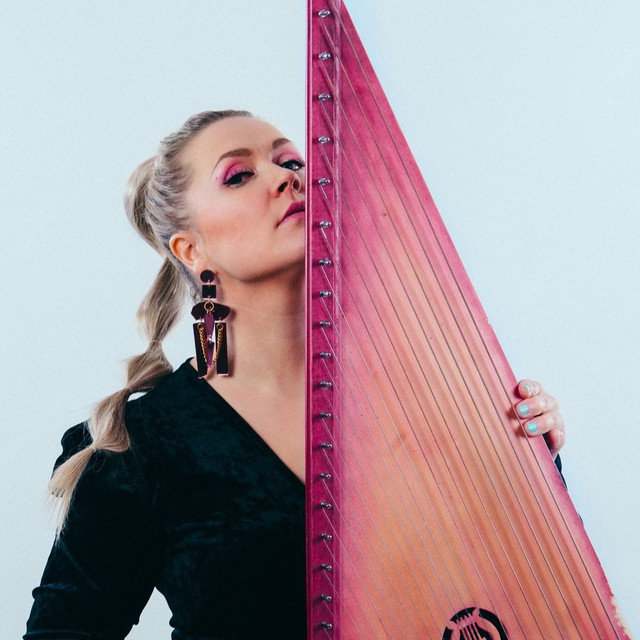
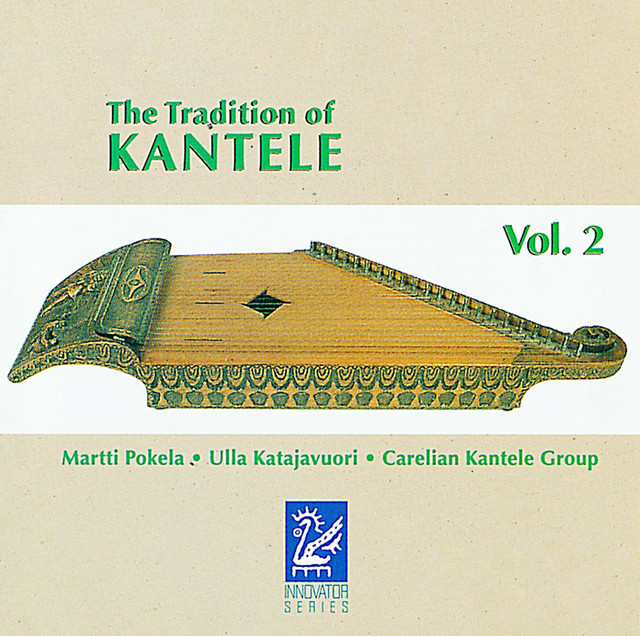
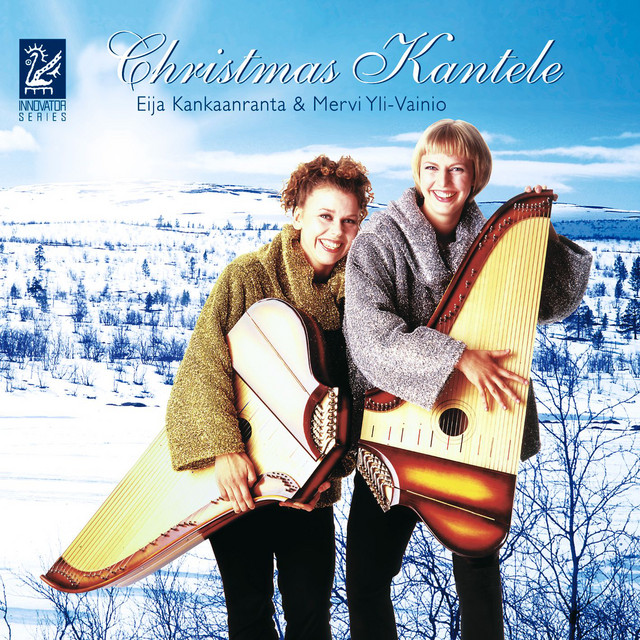
Kantele music is best understood not as a single, rigid genre but as a focused sonic world built around the kantele itself, the traditional Finnish-Karelian plucked zither. In practice, it functions as a distinct idiom within Finnish folk music—a genre-leaping approach that emphasizes the instrument’s bright, glassy timbre and its capacity for both melodic storytelling and intricate arpeggios. For enthusiasts, it offers a window into a cultural lineage that fuses myth, landscape, and craft into sound.
Origins and birth
The kantele sits at the heart of Karelia’s and Finland’s ancient zither traditions. It appears in folklore and myth as Väinämöinen’s instrument in the Kalevala, Finland’s national epic, where the prismatic tone of the kantele can bend fate and incite awe. Historically, kanteles were built in many sizes, from small five-string varieties to larger, more elaborate models used by pelimanni (folk musicians) at dances and gatherings. The modern revival of kantele playing began in the 19th century during the national romantics’ efforts to reclaim Finnish cultural identity, and it accelerated through the 20th century with the instrument’s inclusion in art music, folk ensembles, and contemporary world music scenes. Today, the kantele has both a storied past and a dynamic present, continually reinvented by new players and composers.
What makes the sound unique
The kantele’s voice is instantly recognizable: luminous, clear, and resonant, with a shimmering sustain that can feel both intimate and expansive. Traditional playing often centers on melodic lines and modal tunings that evoke forests, lakes, and old wooden houses, but modern players push its possibilities further by using extended-range kanteles, chromatic tunings, and even amplification and electronics. The instrument ranges from delicate, lullaby-like textures to powerful, driving lines in ensemble settings. In performance, the kantele often works as a lead voice, a rhythmic texture, or a shimmering part of a larger folk-orientated palette.
Global reach and contemporary scene
Kantele music is most popular in Finland and among Karelia’s cultural communities, where the instrument remains a core emblem of heritage. It has also found enthusiastic audiences in Sweden, Russia’s Karelia, and across Nordic and Baltic circles, with a continued presence in North American Finnish diaspora communities and in European world-music festivals. In recent decades, it has moved beyond strict folklore into neo-folk, ambient, and cross-cultural collaborations, appearing on stages and in studios where traditional Finnish instruments meet contemporary composition and electronics.
Ambassadors and key figures
In the public consciousness, the kantele’s most recognizable ambassador is the Finnish folk ensemble Värttinä, whose repertoire and performance style have helped bring kantele timbres to international audiences. The instrument also anchors many soloists and small ensembles who tour globally, presenting concerts that mix traditional tunes, Kalevala-inspired pieces, and new compositions. The mythical Väinämöinen remains the instrument’s enduring allegorical ambassador, while today’s players—whether in small village halls or major festivals—carry the kantele into the world of contemporary acoustic and electro-acoustic music.
For enthusiasts seeking a starting point, explore Värttinä’s catalogs for bright, kantele-centered textures and seek out modern kantele players who fuse folk tradition with ambient and contemporary genres. The realm of kantele music offers a deep, sunlit doorway into Finnish heritage, with a future that invites experimentation and cross-cultural dialogue.
Origins and birth
The kantele sits at the heart of Karelia’s and Finland’s ancient zither traditions. It appears in folklore and myth as Väinämöinen’s instrument in the Kalevala, Finland’s national epic, where the prismatic tone of the kantele can bend fate and incite awe. Historically, kanteles were built in many sizes, from small five-string varieties to larger, more elaborate models used by pelimanni (folk musicians) at dances and gatherings. The modern revival of kantele playing began in the 19th century during the national romantics’ efforts to reclaim Finnish cultural identity, and it accelerated through the 20th century with the instrument’s inclusion in art music, folk ensembles, and contemporary world music scenes. Today, the kantele has both a storied past and a dynamic present, continually reinvented by new players and composers.
What makes the sound unique
The kantele’s voice is instantly recognizable: luminous, clear, and resonant, with a shimmering sustain that can feel both intimate and expansive. Traditional playing often centers on melodic lines and modal tunings that evoke forests, lakes, and old wooden houses, but modern players push its possibilities further by using extended-range kanteles, chromatic tunings, and even amplification and electronics. The instrument ranges from delicate, lullaby-like textures to powerful, driving lines in ensemble settings. In performance, the kantele often works as a lead voice, a rhythmic texture, or a shimmering part of a larger folk-orientated palette.
Global reach and contemporary scene
Kantele music is most popular in Finland and among Karelia’s cultural communities, where the instrument remains a core emblem of heritage. It has also found enthusiastic audiences in Sweden, Russia’s Karelia, and across Nordic and Baltic circles, with a continued presence in North American Finnish diaspora communities and in European world-music festivals. In recent decades, it has moved beyond strict folklore into neo-folk, ambient, and cross-cultural collaborations, appearing on stages and in studios where traditional Finnish instruments meet contemporary composition and electronics.
Ambassadors and key figures
In the public consciousness, the kantele’s most recognizable ambassador is the Finnish folk ensemble Värttinä, whose repertoire and performance style have helped bring kantele timbres to international audiences. The instrument also anchors many soloists and small ensembles who tour globally, presenting concerts that mix traditional tunes, Kalevala-inspired pieces, and new compositions. The mythical Väinämöinen remains the instrument’s enduring allegorical ambassador, while today’s players—whether in small village halls or major festivals—carry the kantele into the world of contemporary acoustic and electro-acoustic music.
For enthusiasts seeking a starting point, explore Värttinä’s catalogs for bright, kantele-centered textures and seek out modern kantele players who fuse folk tradition with ambient and contemporary genres. The realm of kantele music offers a deep, sunlit doorway into Finnish heritage, with a future that invites experimentation and cross-cultural dialogue.