Genre
kaseko
Top Kaseko Artists
Showing 17 of 17 artists




About Kaseko
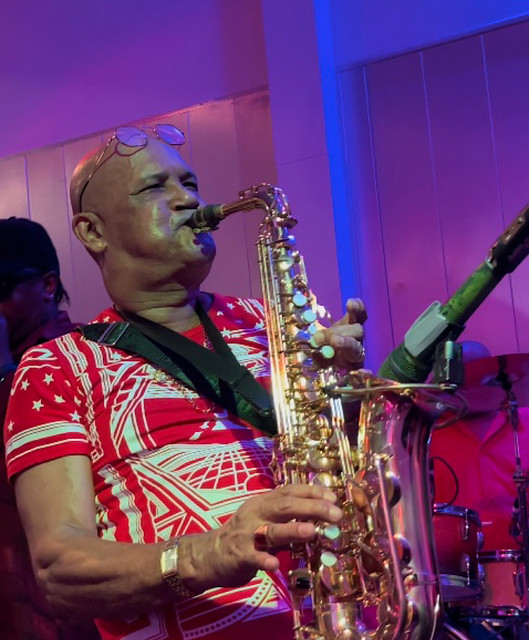
Kaseko is a spirited Surinamese music genre that functions as a high-energy crossroads of tradition and Caribbean-influenced modernity. Born in and around Paramaribo in the mid-20th century, kaseko emerged from urban dances, street melodies, and the social mixing that characterized Suriname’s postwar cultural life. It grew from local folk styles and rhymes, absorbing bright Caribbean flavors (calypso, soca) and the horn-driven energy of big-band jazz, as well as Afro-Surinamese percussion traditions. The result is a rhythmically dense, danceable sound that invites communal participation and celebration.
Musically, kaseko is defined by its prominent horn lines and a robust, groove-forward rhythm section. Expect stacked brass—trumpets and trombones—carried along by drums, timbales, congas, and a solid bass groove. The percussion often drives the tempo with intricate patterns, while vocals engage in call-and-response, storytelling, and sometimes improvised singing. The songs can swing between joyful party anthems and more reflective pieces, but the overall mood tends toward exuberance and infectious danceability. Lyrics frequently switch between Sranan Tongo and Dutch, reflecting Suriname’s multilingual culture and its diasporic connections.
Historically, kaseko’s evolution mirrors Suriname’s urban life and its links with migrant communities. In the 1950s and 1960s, paramaribense bands and vocalists began shaping a distinctive sound that could fill lively dances and carnival streets. As Suriname reinforced ties with the Dutch diaspora, especially in the Netherlands, kaseko carried its infectious energy across borders. The genre also found audiences in neighboring Caribbean regions and among Surinamese communities in the Dutch Caribbean, where musicians blended kaseko with local styles and contemporary production techniques. Over the decades, producers experimented with studio-backed arrangements, larger brass ensembles, and, more recently, electronic textures, helping kaseko reach new listeners without losing its core heartbeat.
A key feature of kaseko is its role as a musical ambassador for Suriname’s urban culture. It’s closely tied to dance events, weddings, and festive parades, where musicians perform as much to entertain as to unite people through shared rhythm. The genre also functions as a conduit for cultural identity—an audible expression of resilience, hospitality, and festive endurance that Surinamese communities use to connect with their roots while engaging global audiences.
Notable artists and ambassadors in kaseko history span generations. Early pioneers laid the groundwork in Paramaribo clubs and street gatherings, while later generations carried the sound to international stages and hybrid scenes. In the diaspora, kaseko remains a living tradition, continually revived by contemporary bands and soloists who fuse brass swagger with modern production, sampling, and cross-genre experimentation. The result is a genre that feels both rooted and expansive: a party-ready sound that travels well and still sounds unmistakably Surinamese.
If you’d like, I can tailor this description to include verified artist names and specific landmark recordings, or focus on a particular era or regional scene within kaseko.
Musically, kaseko is defined by its prominent horn lines and a robust, groove-forward rhythm section. Expect stacked brass—trumpets and trombones—carried along by drums, timbales, congas, and a solid bass groove. The percussion often drives the tempo with intricate patterns, while vocals engage in call-and-response, storytelling, and sometimes improvised singing. The songs can swing between joyful party anthems and more reflective pieces, but the overall mood tends toward exuberance and infectious danceability. Lyrics frequently switch between Sranan Tongo and Dutch, reflecting Suriname’s multilingual culture and its diasporic connections.
Historically, kaseko’s evolution mirrors Suriname’s urban life and its links with migrant communities. In the 1950s and 1960s, paramaribense bands and vocalists began shaping a distinctive sound that could fill lively dances and carnival streets. As Suriname reinforced ties with the Dutch diaspora, especially in the Netherlands, kaseko carried its infectious energy across borders. The genre also found audiences in neighboring Caribbean regions and among Surinamese communities in the Dutch Caribbean, where musicians blended kaseko with local styles and contemporary production techniques. Over the decades, producers experimented with studio-backed arrangements, larger brass ensembles, and, more recently, electronic textures, helping kaseko reach new listeners without losing its core heartbeat.
A key feature of kaseko is its role as a musical ambassador for Suriname’s urban culture. It’s closely tied to dance events, weddings, and festive parades, where musicians perform as much to entertain as to unite people through shared rhythm. The genre also functions as a conduit for cultural identity—an audible expression of resilience, hospitality, and festive endurance that Surinamese communities use to connect with their roots while engaging global audiences.
Notable artists and ambassadors in kaseko history span generations. Early pioneers laid the groundwork in Paramaribo clubs and street gatherings, while later generations carried the sound to international stages and hybrid scenes. In the diaspora, kaseko remains a living tradition, continually revived by contemporary bands and soloists who fuse brass swagger with modern production, sampling, and cross-genre experimentation. The result is a genre that feels both rooted and expansive: a party-ready sound that travels well and still sounds unmistakably Surinamese.
If you’d like, I can tailor this description to include verified artist names and specific landmark recordings, or focus on a particular era or regional scene within kaseko.