Genre
kavkaz
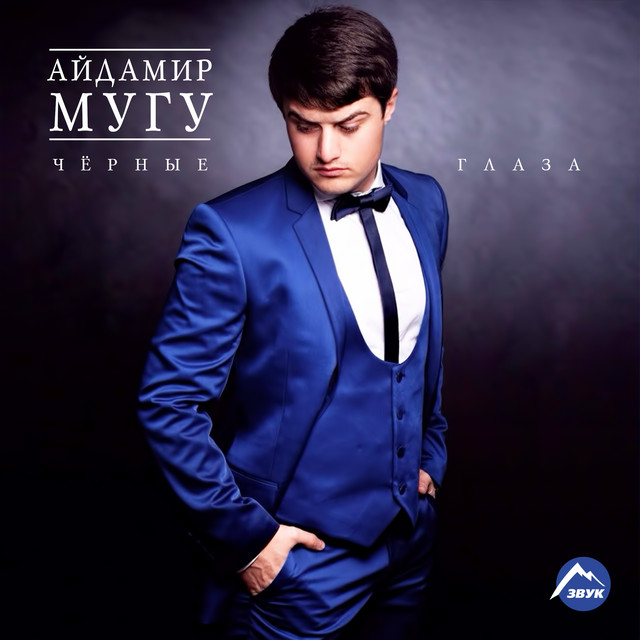
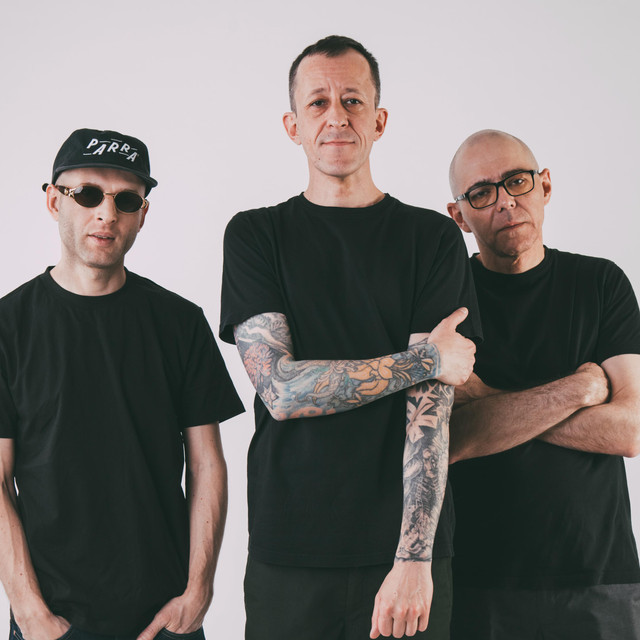
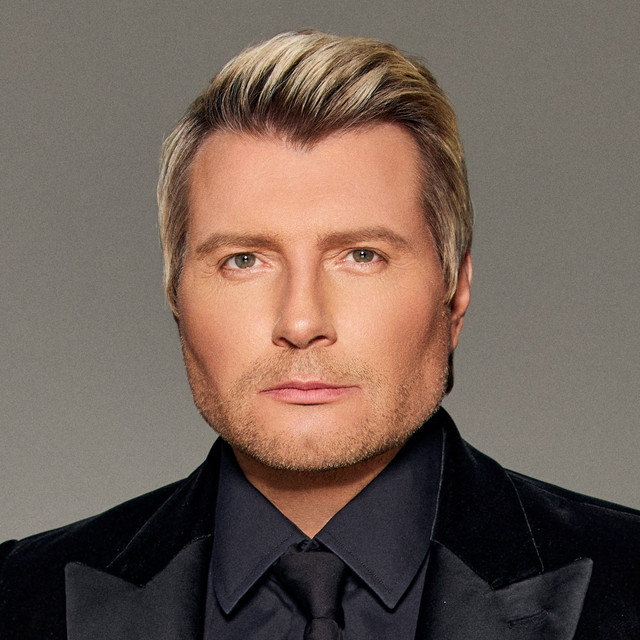
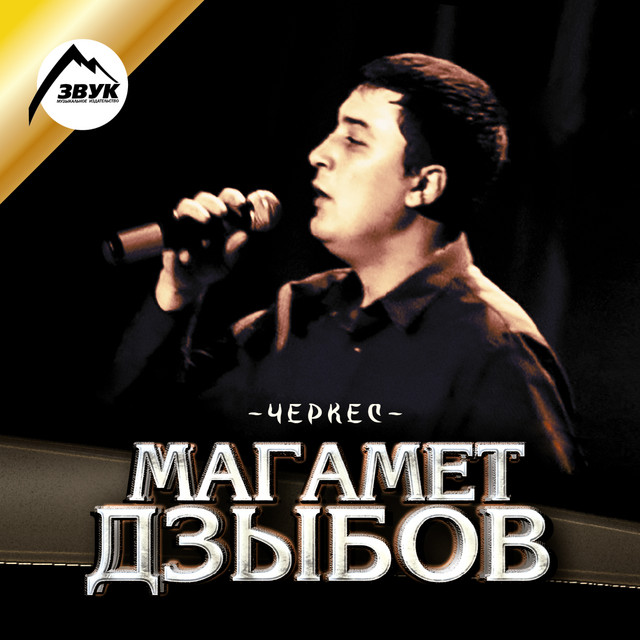
Top Kavkaz Artists
Showing 25 of 54 artists















About Kavkaz
Kavkaz is not a single fixed genre with a rigid canon; it is a living, evolving conversation that threads listening traditions from the Caucasus with contemporary electronic, ambient, and experimental music. Born at the intersection of tradition and modernity, Kavkaz emerged in the late 2000s and gained traction through the 2010s as producers, vocal ensembles, and DJs began incorporating the region’s rich musical vocabulary into global club and concert contexts. Its birth lies as much in the mountains’ polyphonic legacy as in the basement studios of Russia, Georgia, Armenia, and Azerbaijan, where artists sought to translate ancient modes and vocal textures into new sonic languages.
What characterizes Kavkaz is a blend. You’ll hear layered vocal lines—often inspired by Caucasian polyphony—woven with drones, granular textures, and rhythmic experiments drawn from electronic, trance, or ambient scenes. Traditional timbres—whether the mournful cadence of a long-held vocal phrase, the breathy warmth of wind instruments, or the percussive snap of frame drums—are treated as raw material for contemporary sound design. Field recordings from villages, rivers, or mountain paths appear as atmospheric glue, grounding otherwise futuristic textures in a sense of place. The result is music that feels both ancestral and forward-looking, intimate and cinematic.
A defining impulse behind Kavkaz is the desire to preserve and reimagine regional musical memory while inviting new listeners into its folds. It often foregrounds voices—singing that can resemble call-and-response choirs or intimate solo improvisation—then places them in environments built from synth pads, pulses, and echoes. This creates a sense of space: vast valleys, echoing canyons, and crowded urban nets all at once. The genre also thrives on cross-cultural collaboration, inviting dancers, folk players, field-recording artists, and electronic producers to swap ideas across borders that have long been politically or socially complex.
In terms of geography, Kavkaz finds its strongest currents in Russia’s North Caucasus and the wider Caucasus region (Georgia, Armenia, Azerbaijan), where communities keep traditional repertoires alive while documenting change through contemporary art. It has also resonated with Caucasus diaspora audiences and enthusiasts in neighboring Turkey and in European cultural hubs such as Germany and France, where world music and experimental scenes embrace transregional fusions. Across these spaces, the genre circulates through clubs, festivals, and niche label releases, gradually building a community that values both authenticity and experimentation.
Ambassadors of Kavkaz are diverse by design: producers who sculpt electronic textures from field recordings, ensembles that reimagine polyphonic singing in a modern setting, and interdisciplinary artists who bridge sound, video, and performance. Rather than a single household name, the scene functions as a network of voices and projects that champion Caucasian sound-worlds in fresh and international contexts. The result is a genre that invites curiosity: a track might begin with a traditional chant and morph into a pulsating electronic landscape, or a purely ambient piece might suddenly unlock a chorus that feels ancient and urgent at once.
If you’re exploring Kavkaz, listen for the tension between memory and experimentation, the way mountains, rivers, and village voices find new life inside synthesizers and studio processing. It’s a genre still in motion, offering a soundtrack for inquiry, travel, and shared cultures. If you want a version with named artists or a focus on particular substyles, tell me your preferred angle and I’ll tailor the piece.
What characterizes Kavkaz is a blend. You’ll hear layered vocal lines—often inspired by Caucasian polyphony—woven with drones, granular textures, and rhythmic experiments drawn from electronic, trance, or ambient scenes. Traditional timbres—whether the mournful cadence of a long-held vocal phrase, the breathy warmth of wind instruments, or the percussive snap of frame drums—are treated as raw material for contemporary sound design. Field recordings from villages, rivers, or mountain paths appear as atmospheric glue, grounding otherwise futuristic textures in a sense of place. The result is music that feels both ancestral and forward-looking, intimate and cinematic.
A defining impulse behind Kavkaz is the desire to preserve and reimagine regional musical memory while inviting new listeners into its folds. It often foregrounds voices—singing that can resemble call-and-response choirs or intimate solo improvisation—then places them in environments built from synth pads, pulses, and echoes. This creates a sense of space: vast valleys, echoing canyons, and crowded urban nets all at once. The genre also thrives on cross-cultural collaboration, inviting dancers, folk players, field-recording artists, and electronic producers to swap ideas across borders that have long been politically or socially complex.
In terms of geography, Kavkaz finds its strongest currents in Russia’s North Caucasus and the wider Caucasus region (Georgia, Armenia, Azerbaijan), where communities keep traditional repertoires alive while documenting change through contemporary art. It has also resonated with Caucasus diaspora audiences and enthusiasts in neighboring Turkey and in European cultural hubs such as Germany and France, where world music and experimental scenes embrace transregional fusions. Across these spaces, the genre circulates through clubs, festivals, and niche label releases, gradually building a community that values both authenticity and experimentation.
Ambassadors of Kavkaz are diverse by design: producers who sculpt electronic textures from field recordings, ensembles that reimagine polyphonic singing in a modern setting, and interdisciplinary artists who bridge sound, video, and performance. Rather than a single household name, the scene functions as a network of voices and projects that champion Caucasian sound-worlds in fresh and international contexts. The result is a genre that invites curiosity: a track might begin with a traditional chant and morph into a pulsating electronic landscape, or a purely ambient piece might suddenly unlock a chorus that feels ancient and urgent at once.
If you’re exploring Kavkaz, listen for the tension between memory and experimentation, the way mountains, rivers, and village voices find new life inside synthesizers and studio processing. It’s a genre still in motion, offering a soundtrack for inquiry, travel, and shared cultures. If you want a version with named artists or a focus on particular substyles, tell me your preferred angle and I’ll tailor the piece.