Genre
khaleeji
Top Khaleeji Artists
Showing 25 of 1,418 artists









About Khaleeji
Khaleeji is the Gulf Arab music tradition that spans the Arabian Peninsula—from Kuwait, Bahrain, and Qatar to the United Arab Emirates, Saudi Arabia and Oman. Its roots lie in a dialogue between Bedouin desert chants, coastal shanties, and the social music of markets, weddings, and majlis gatherings. In the 20th century, as radio and then television stitched the Gulf into a shared cultural space, a distinct Gulf-pop sound began to crystallize. By the late 1980s and 1990s, Khaleeji had become an umbrella for both traditional-inflected folk tunes and a vibrant modern pop that uses Gulf dialects and percussion-forward grooves to connect with local and regional audiences. Today Khaleeji music exists on multiple planes: it preserves heritage while embracing global production techniques.
Musically, Khaleeji is characterized by a strong emphasis on rhythm and vocal projection. Percussion anchors the groove—darbuka, doumbek, riq, and frame drums—often driving a 4/4 or syncopated pulse that makes the music feel urgent and danceable. The melodic voice tends to feature direct, emotive phrases, sometimes in call-and-response with a chorus, with melodies drawn from the modal Arabic maqamat and local scale fragments that give the Gulf a distinct tonal color. Lyrics celebrate love, pride in homeland, desert imagery, city life, and social celebration, frequently delivered in the Gulf dialects that give Khaleeji its immediate cultural resonance.
Instruments have evolved, too. Traditional ensembles sit alongside electronic production, synthesizers, and electric guitar, especially in contemporary Khaleeji pop. A modern track might balance a darbuka groove with a pulsating bass line, Arab oud textures, and glossy, international-sounding production. The sound carries a cosmopolitan edge without losing its Gulf heart—the balance of street-level immediacy and polished studio craft.
Khaleeji music is most popular in the Gulf states—Saudi Arabia, the United Arab Emirates, Kuwait, Bahrain, Qatar, and Oman—and in the sizable Gulf diaspora across North Africa and Europe, where artists tour and festival circuits bring Gulf sounds to new audiences. TV shows, radio stations, streaming playlists, and social media have accelerated cross-border collaborations, remix culture, and the emergence of female voices in the space.
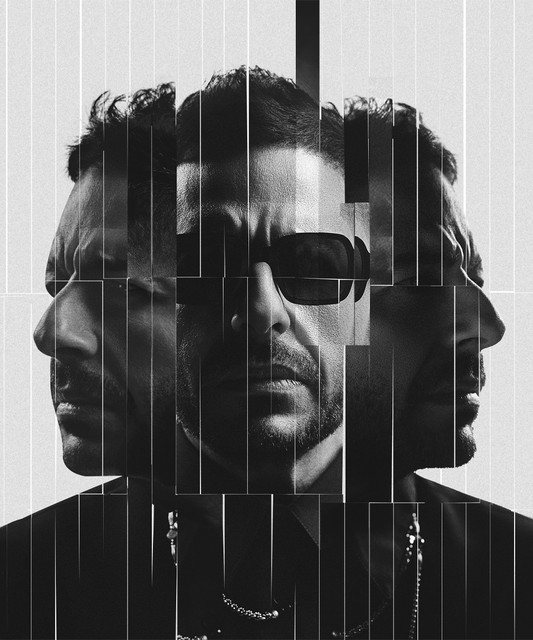
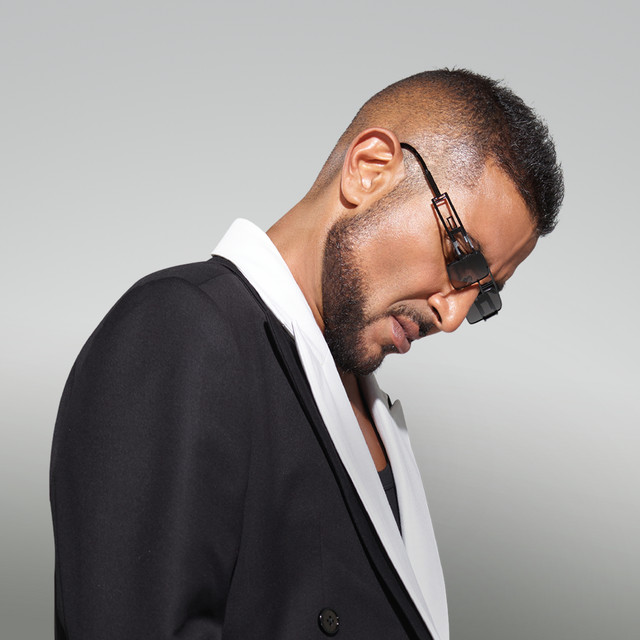
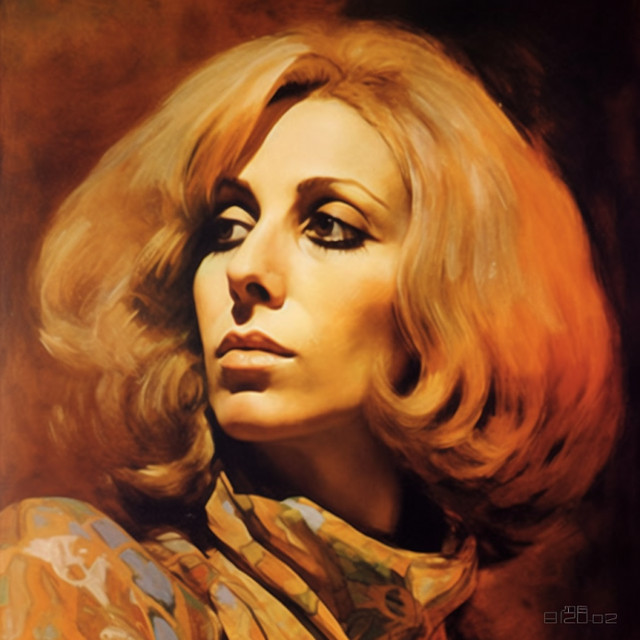
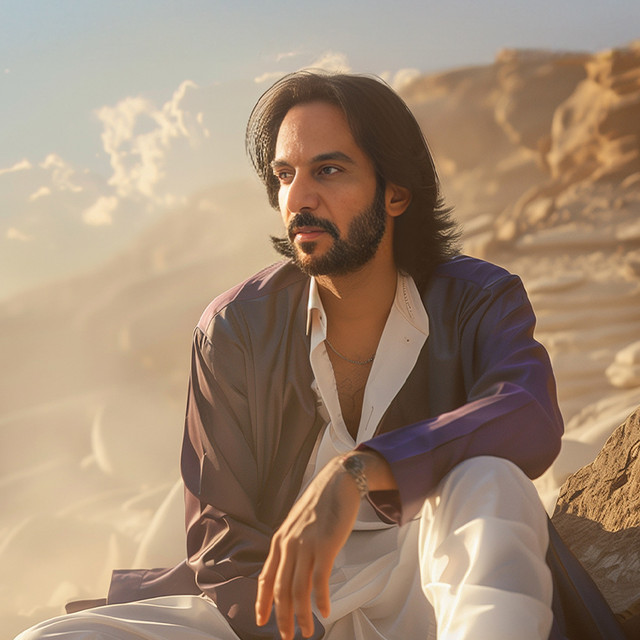
Ambassadors and key artists have helped shape Khaleeji’s modern avatar. Hussain Al Jassmi, an emblematic Emirati singer, has brought Gulf-pop aesthetics to a broad Arabic-speaking audience. Saudi star Rashed Al Majed remains one of the region’s most influential voices. Modern ambassadors include Balqees, a Yemeni-Emirati artist who blends Khaleeji flavor with global pop sensibilities, and Ahlam, a prominent Gulf vocal star whose repertoire spans the region’s mainstream pop sounds. From the Gulf’s early pop luminaries to the current wave of Gulf-born talents, Khaleeji remains a living, evolving tradition.
Whether heard in a bustling Dubai nightclub or a seaside dhow festival, Khaleeji music invites listeners into a shared Gulf moment—ripe with rhythm, pride, and the ongoing conversation between heritage and innovation.
Musically, Khaleeji is characterized by a strong emphasis on rhythm and vocal projection. Percussion anchors the groove—darbuka, doumbek, riq, and frame drums—often driving a 4/4 or syncopated pulse that makes the music feel urgent and danceable. The melodic voice tends to feature direct, emotive phrases, sometimes in call-and-response with a chorus, with melodies drawn from the modal Arabic maqamat and local scale fragments that give the Gulf a distinct tonal color. Lyrics celebrate love, pride in homeland, desert imagery, city life, and social celebration, frequently delivered in the Gulf dialects that give Khaleeji its immediate cultural resonance.
Instruments have evolved, too. Traditional ensembles sit alongside electronic production, synthesizers, and electric guitar, especially in contemporary Khaleeji pop. A modern track might balance a darbuka groove with a pulsating bass line, Arab oud textures, and glossy, international-sounding production. The sound carries a cosmopolitan edge without losing its Gulf heart—the balance of street-level immediacy and polished studio craft.
Khaleeji music is most popular in the Gulf states—Saudi Arabia, the United Arab Emirates, Kuwait, Bahrain, Qatar, and Oman—and in the sizable Gulf diaspora across North Africa and Europe, where artists tour and festival circuits bring Gulf sounds to new audiences. TV shows, radio stations, streaming playlists, and social media have accelerated cross-border collaborations, remix culture, and the emergence of female voices in the space.
Ambassadors and key artists have helped shape Khaleeji’s modern avatar. Hussain Al Jassmi, an emblematic Emirati singer, has brought Gulf-pop aesthetics to a broad Arabic-speaking audience. Saudi star Rashed Al Majed remains one of the region’s most influential voices. Modern ambassadors include Balqees, a Yemeni-Emirati artist who blends Khaleeji flavor with global pop sensibilities, and Ahlam, a prominent Gulf vocal star whose repertoire spans the region’s mainstream pop sounds. From the Gulf’s early pop luminaries to the current wave of Gulf-born talents, Khaleeji remains a living, evolving tradition.
Whether heard in a bustling Dubai nightclub or a seaside dhow festival, Khaleeji music invites listeners into a shared Gulf moment—ripe with rhythm, pride, and the ongoing conversation between heritage and innovation.