Genre
khmer hip hop
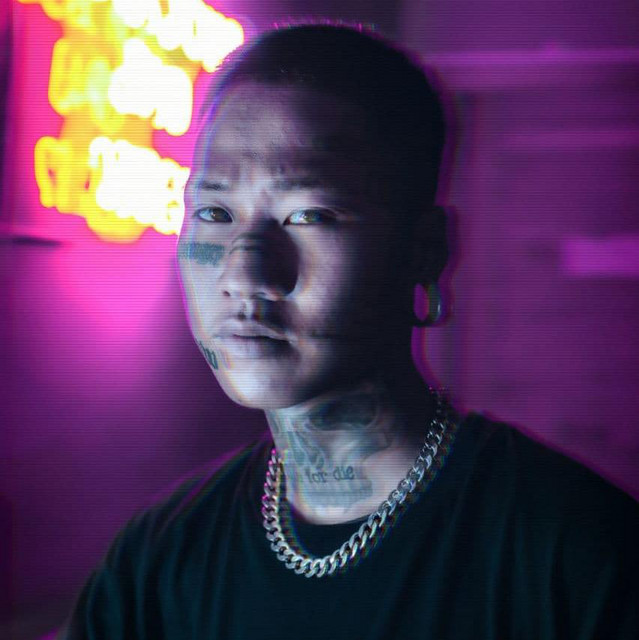
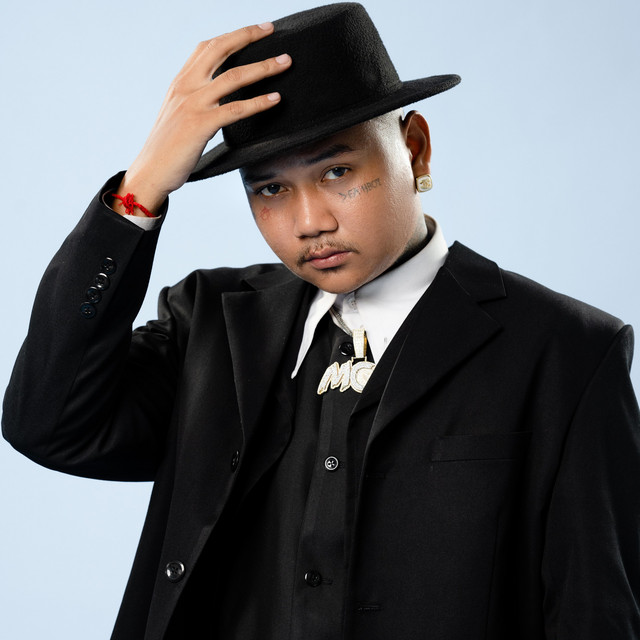
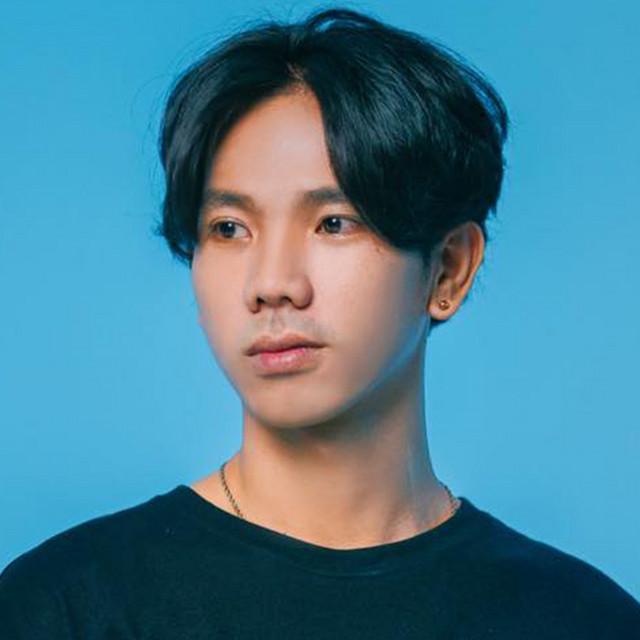
Top Khmer hip hop Artists
Showing 25 of 40 artists






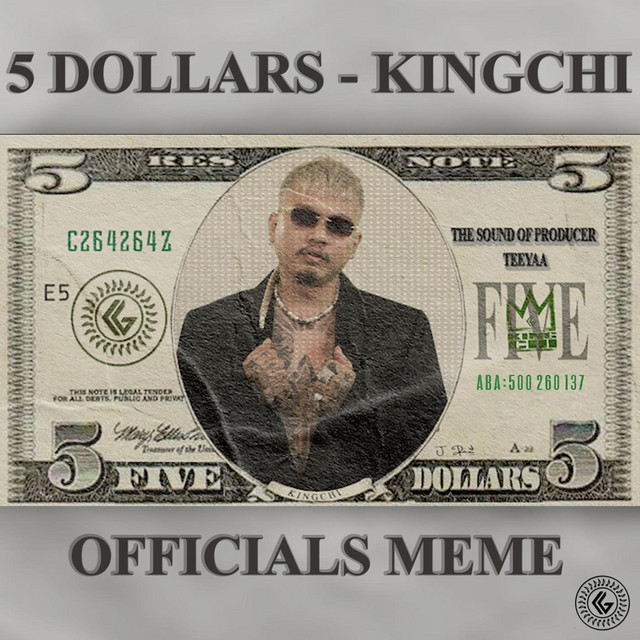

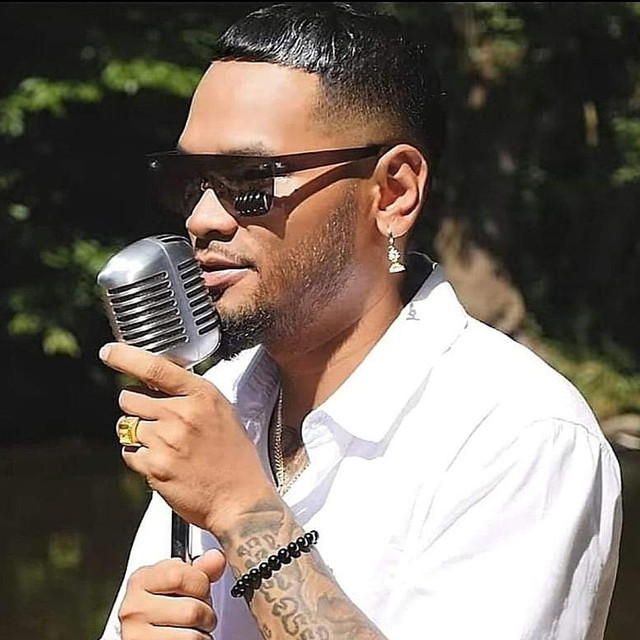


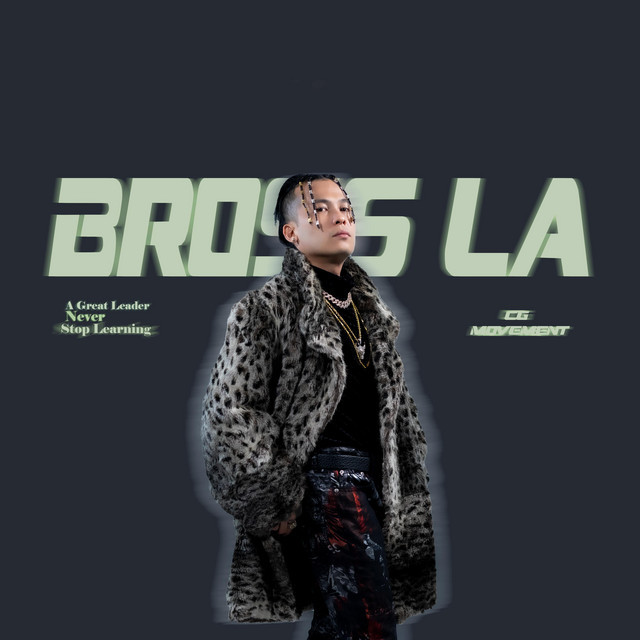
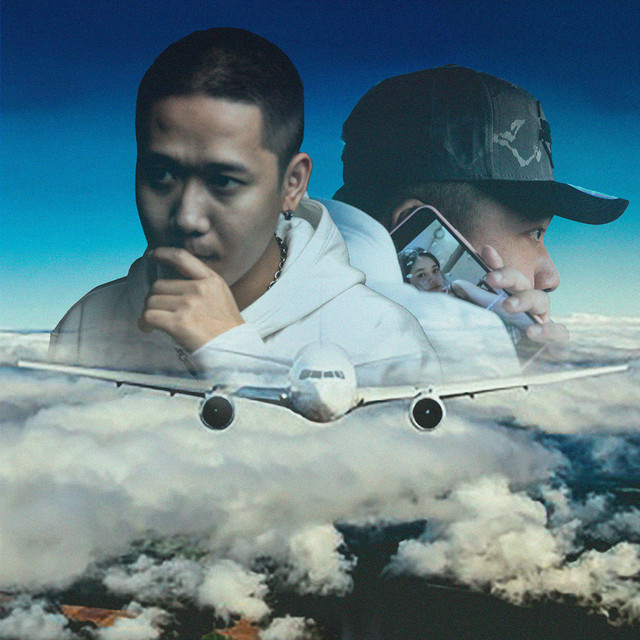


About Khmer hip hop
Khmer hip hop is a dynamic, evolving musical current that sits at the crossroads of urban Cambodia, the global diaspora, and the wide world of contemporary rap. It’s a genre that speaks in Khmer as often as it does in a blend of Khmer and English, using the rhythms of hip hop to tell stories about city life, tradition, resistance, and dreams. Its emergence is relatively recent in the grand arc of music history, but its roots run deep in the Cambodian youth culture of Phnom Penh and in Cambodian communities abroad.
The birth of Khmer hip hop can be traced to the late 1990s and early 2000s, a period of rapid social change after decades of conflict and censorship. In Cambodia itself, street culture, local radio, and makeshift studios helped nascent MCs and producers experiment with rhyme schemes, do-it-yourself production, and slang that spoke directly to young listeners. Across the Pacific and in Europe, Cambodian diaspora communities—particularly in the United States, France, and Australia—also fostered scenes where Khmer language rap could flourish, bridging memories of home with the pull of global hip hop. Over time, these cross-pollinations produced a sound that remained distinctly Khmer while absorbing the textures of trap, boom-bap, dancehall, and electronic influences.
A defining feature of Khmer hip hop is its storytelling function. Many tracks address daily life in the city, family, migration, and the pressures faced by youth; others push social commentary or celebrate resilience in the face of hardship. The lyrical approach often blends clever wordplay in Khmer with contemporary street slang, making the music accessible to Cambodians at home and to Cambodians abroad who share the language and cultural references. Production commonly leans on drum machines and synthesized bass lines, with producers sampling Western hip hop traditions, local melodies, and even traditional Khmer musical elements such as chapei passages or folk-inspired motifs to create a distinctive sonic landscape.
In terms of geography and reach, Khmer hip hop has its heart in Cambodia—especially Phnom Penh and other urban centers where clubs, cafes, and online communities keep the scene vibrant. But its appeal extends far beyond national borders: the Cambodian diaspora’s networks mean that tracks circulate in the United States, France, Australia, Canada, and other countries with substantial Khmer-speaking populations. The genre’s growth has been aided by social media, streaming platforms, and collaborative projects that pair Cambodian artists with producers and MCs from different backgrounds, expanding the vocabulary of Khmer rap while keeping the language and cultural references central.
Key figures and ambassadors of Khmer hip hop tend to be the artists who bring visibility to the sound and who connect generations. In recent years, the genre has seen a surge of young talents who rap in Khmer and fuse international styles with local sensibilities, while veteran pioneers and diaspora artists helped lay the groundwork and mentor newer generations. Among modern ambassadors, one name that has gained recognition and helped popularize Khmer rap in broader circles is VannDa, widely regarded as a leading figure in bringing Khmer hip hop to a wider audience. Yet the scene remains collaborative and communal, with crews, collectives, and independent labels driving experimentation and growth.
For enthusiasts, Khmer hip hop offers a compelling blend: relatable storytelling in Khmer, a beat-driven musicality ripe for both club play and intimate headphones, and a cultural voice that continues to push the boundaries of what Cambodian contemporary music can be. If you’re exploring Southeast Asian hip hop, Khmer hip hop is a vital and fast-moving strand worth listening to closely.
The birth of Khmer hip hop can be traced to the late 1990s and early 2000s, a period of rapid social change after decades of conflict and censorship. In Cambodia itself, street culture, local radio, and makeshift studios helped nascent MCs and producers experiment with rhyme schemes, do-it-yourself production, and slang that spoke directly to young listeners. Across the Pacific and in Europe, Cambodian diaspora communities—particularly in the United States, France, and Australia—also fostered scenes where Khmer language rap could flourish, bridging memories of home with the pull of global hip hop. Over time, these cross-pollinations produced a sound that remained distinctly Khmer while absorbing the textures of trap, boom-bap, dancehall, and electronic influences.
A defining feature of Khmer hip hop is its storytelling function. Many tracks address daily life in the city, family, migration, and the pressures faced by youth; others push social commentary or celebrate resilience in the face of hardship. The lyrical approach often blends clever wordplay in Khmer with contemporary street slang, making the music accessible to Cambodians at home and to Cambodians abroad who share the language and cultural references. Production commonly leans on drum machines and synthesized bass lines, with producers sampling Western hip hop traditions, local melodies, and even traditional Khmer musical elements such as chapei passages or folk-inspired motifs to create a distinctive sonic landscape.
In terms of geography and reach, Khmer hip hop has its heart in Cambodia—especially Phnom Penh and other urban centers where clubs, cafes, and online communities keep the scene vibrant. But its appeal extends far beyond national borders: the Cambodian diaspora’s networks mean that tracks circulate in the United States, France, Australia, Canada, and other countries with substantial Khmer-speaking populations. The genre’s growth has been aided by social media, streaming platforms, and collaborative projects that pair Cambodian artists with producers and MCs from different backgrounds, expanding the vocabulary of Khmer rap while keeping the language and cultural references central.
Key figures and ambassadors of Khmer hip hop tend to be the artists who bring visibility to the sound and who connect generations. In recent years, the genre has seen a surge of young talents who rap in Khmer and fuse international styles with local sensibilities, while veteran pioneers and diaspora artists helped lay the groundwork and mentor newer generations. Among modern ambassadors, one name that has gained recognition and helped popularize Khmer rap in broader circles is VannDa, widely regarded as a leading figure in bringing Khmer hip hop to a wider audience. Yet the scene remains collaborative and communal, with crews, collectives, and independent labels driving experimentation and growth.
For enthusiasts, Khmer hip hop offers a compelling blend: relatable storytelling in Khmer, a beat-driven musicality ripe for both club play and intimate headphones, and a cultural voice that continues to push the boundaries of what Cambodian contemporary music can be. If you’re exploring Southeast Asian hip hop, Khmer hip hop is a vital and fast-moving strand worth listening to closely.