Genre
kolsche karneval
Top Kolsche karneval Artists
Showing 25 of 110 artists









About Kolsche karneval
Kölsche Karneval, or the Kölsch Carnival music tradition, is best understood as a vibrant regional stream within Germany’s broader carnival culture. It isn’t a single, rigid genre so much as a living ecosystem of songs, voices, and performances rooted in the city of Cologne (Köln) and the Rhineland’s festive spirit. Its hallmark is music sung in Kölsch, the local dialect, crafted to spark participation, laughter, and a sense of communal belonging during the carnival season.
Origins and evolution
The backbone of Kölsche Karneval sits atop Cologne’s centuries-old carnival tradition, which blossoms most intensely in the weeks leading up to Lent. While carnival jollity has long existed in many German towns, the modern Kölsch sound took on a distinctive shape in the postwar era, when professional bands, fan clubs, and local songwriters began producing dialect-driven, danceable tunes designed for beer halls, street corners, and televised sessions. From the 1950s onward, the repertoire expanded beyond simple party tunes to include witty ballads, affectionate hometown anthems, and crowd-pleasing anthems that could unite strangers as if they were old friends.
Musical characteristics
Kölsche Karneval music is best described as brass- and rhythm-forward party music with a strong sense of theater. Expect punchy horns, driving drums, accordion or keys, and sing-along choruses that invite the crowd to join in. The rhythm often leans into marching-band energy or ballroom-style dance grooves, but with an unmistakable vernacular bite in the lyrics. Much of the repertoire centers on shared experiences: city pride, neighborhood quirks, local landmarks, humor, and affectionate teasing of everyday life. A typical concert or session features call-and-response moments, improvisational crowd participation, and a festive “Schunkel” vibe—pairs of fans swaying together in time to the beat.
Ambassadors and key acts
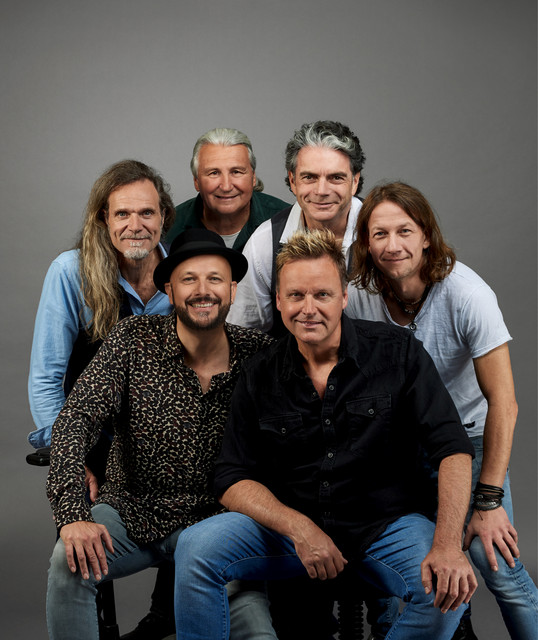
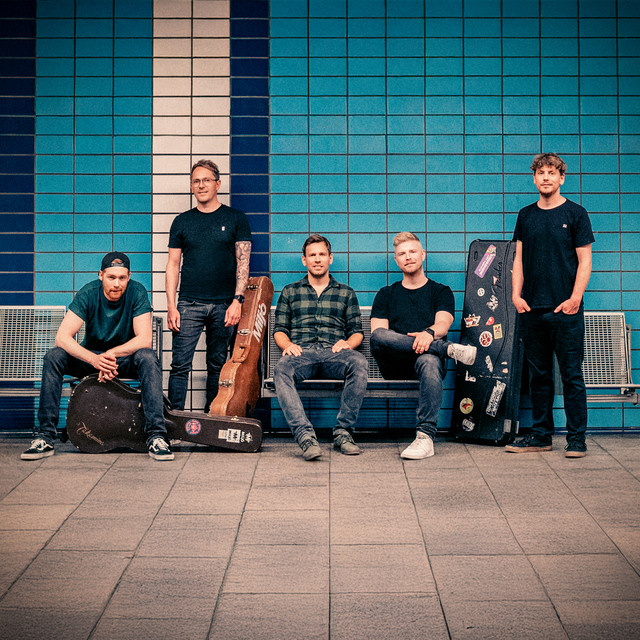
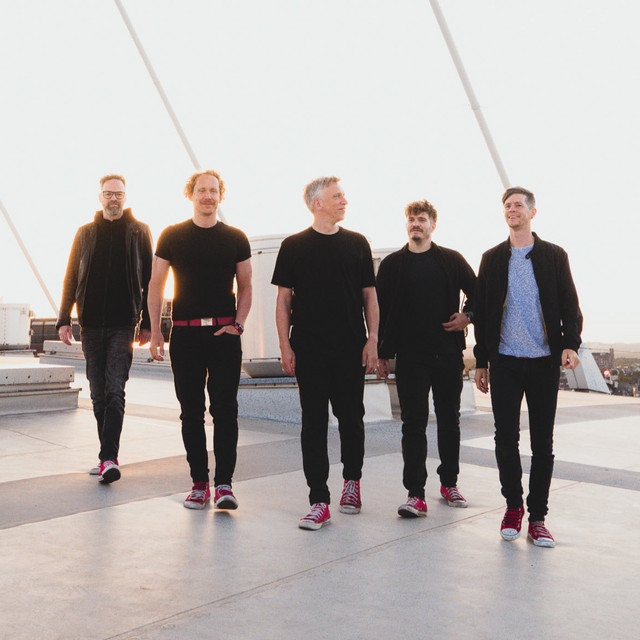
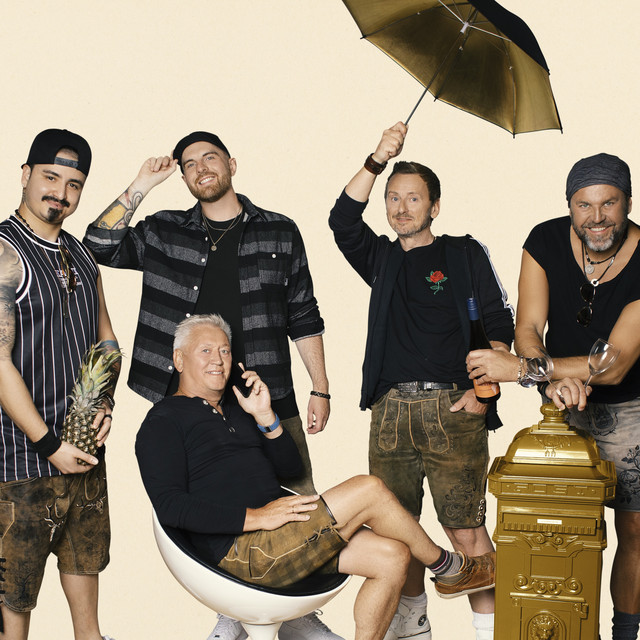
Several Cologne-based acts have become enduring ambassadors of the genre. The Höhner are arguably the most iconic, with a string of carnival staples and the perennial crowd-pleaser “Viva Colonia.” Bläck Fööss (the “Black Fools”) are another founding pillar, celebrated for their affectionately combative humor and sturdy melodic hooks. BAP, led by Wolfgang Niedecken, popularized Kölsch-language rock-infused tunes that sit comfortably within the carnival landscape. Paveier, Kasalla, and Querbeat are among the modern torchbearers who have kept the tradition fresh, weaving brass-driven, high-energy performances with contemporary songwriting while staying true to the dialect and communal ethos.
Geography and reach
Kölsche Karneval is most popular in Germany, especially in North Rhine-Westphalia and across the Rhine-Ruhr region, where carnival culture is deeply woven into local life. Its appeal extends to neighboring countries with cultural and linguistic proximity, including the Netherlands and parts of Belgium, where audiences appreciate the dialect, humor, and festive spirit. In the digital age, streaming, social media, and live broadcasts have broadened the reach, allowing fans worldwide to experience Cologne’s carnival mood vicariously through videos, audio releases, and festival footage.
A cultural touchstone
Beyond entertainment, Kölsche Karneval music is a social glue—an audible expression of local identity, neighborhood pride, and communal resilience. It thrives on participation, shared jokes, and collective memory, making every performance feel like a reunion. For music enthusiasts, it offers a window into Cologne’s unique dialect, anthemic choruses, and the enduring power of culture that turns a city’s streets into a jubilant concert hall.
Origins and evolution
The backbone of Kölsche Karneval sits atop Cologne’s centuries-old carnival tradition, which blossoms most intensely in the weeks leading up to Lent. While carnival jollity has long existed in many German towns, the modern Kölsch sound took on a distinctive shape in the postwar era, when professional bands, fan clubs, and local songwriters began producing dialect-driven, danceable tunes designed for beer halls, street corners, and televised sessions. From the 1950s onward, the repertoire expanded beyond simple party tunes to include witty ballads, affectionate hometown anthems, and crowd-pleasing anthems that could unite strangers as if they were old friends.
Musical characteristics
Kölsche Karneval music is best described as brass- and rhythm-forward party music with a strong sense of theater. Expect punchy horns, driving drums, accordion or keys, and sing-along choruses that invite the crowd to join in. The rhythm often leans into marching-band energy or ballroom-style dance grooves, but with an unmistakable vernacular bite in the lyrics. Much of the repertoire centers on shared experiences: city pride, neighborhood quirks, local landmarks, humor, and affectionate teasing of everyday life. A typical concert or session features call-and-response moments, improvisational crowd participation, and a festive “Schunkel” vibe—pairs of fans swaying together in time to the beat.
Ambassadors and key acts
Several Cologne-based acts have become enduring ambassadors of the genre. The Höhner are arguably the most iconic, with a string of carnival staples and the perennial crowd-pleaser “Viva Colonia.” Bläck Fööss (the “Black Fools”) are another founding pillar, celebrated for their affectionately combative humor and sturdy melodic hooks. BAP, led by Wolfgang Niedecken, popularized Kölsch-language rock-infused tunes that sit comfortably within the carnival landscape. Paveier, Kasalla, and Querbeat are among the modern torchbearers who have kept the tradition fresh, weaving brass-driven, high-energy performances with contemporary songwriting while staying true to the dialect and communal ethos.
Geography and reach
Kölsche Karneval is most popular in Germany, especially in North Rhine-Westphalia and across the Rhine-Ruhr region, where carnival culture is deeply woven into local life. Its appeal extends to neighboring countries with cultural and linguistic proximity, including the Netherlands and parts of Belgium, where audiences appreciate the dialect, humor, and festive spirit. In the digital age, streaming, social media, and live broadcasts have broadened the reach, allowing fans worldwide to experience Cologne’s carnival mood vicariously through videos, audio releases, and festival footage.
A cultural touchstone
Beyond entertainment, Kölsche Karneval music is a social glue—an audible expression of local identity, neighborhood pride, and communal resilience. It thrives on participation, shared jokes, and collective memory, making every performance feel like a reunion. For music enthusiasts, it offers a window into Cologne’s unique dialect, anthemic choruses, and the enduring power of culture that turns a city’s streets into a jubilant concert hall.