Genre
kompa
Top Kompa Artists
Showing 25 of 2,807 artists















About Kompa
Kompa, short for compas direct, is one of the defining pulse engines of Haitian popular music. Born in Port-au-Prince in the 1950s, it was forged by Nemours Jean-Baptiste as a sleek, danceable soundtrack for everyday life, parties, and the social clubs of postwar Haiti. The sound married big-band sensibilities, cascading horn lines, crisp guitar rhythms, and a steady four-on-the-floor groove that made it irresistibly danceable. From those early, tightly arranged ensembles emerged a template that would split into subcurrents yet remain instantly recognizable: a bright, melodic hook, a generous horn section, and a propulsion that invites couples to spin and sway.
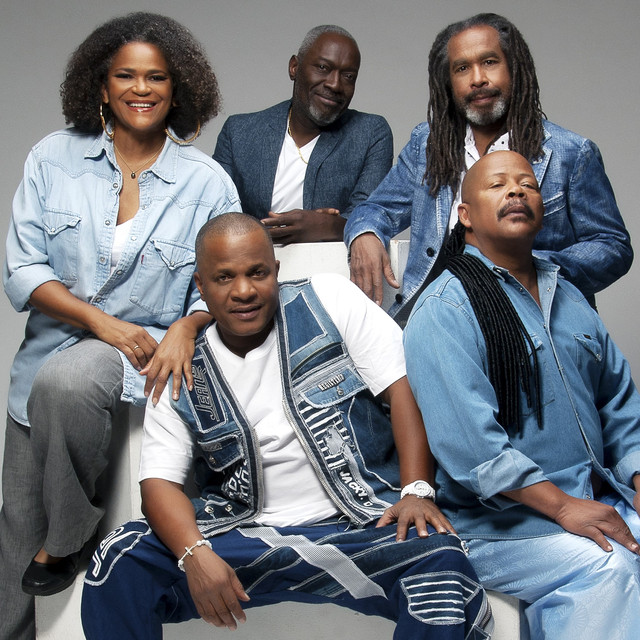
Historically, konpa direct evolved through the 1960s and 1970s as bands expanded their palettes and audiences grew beyond the capital. Tabou Combo, formed in the late 1960s, became one of its most formidable ambassadors, combining tight arrangements with infectious energy and touring internationally. They helped seed a Haitian diasporic circuit that kept konpa alive in communities far from Port-au-Prince. The genre also diversified into romantic, slower sides and more modern, electrified updates as technology and production styles evolved. The result was a family of sounds united by a common backbone: a four-beat pulse that supports lively dancing, warm vocal lines, and orchestral flair.
Ambassadors of the genre extend from the classic era to contemporary scenes. Nemours Jean-Baptiste remains the central figure—his early experiments set the template for what konpa could be. Tabou Combo stands out as the archetypal international presenter of konpa. In later decades, the genre found high-profile champions in the diaspora and Haitian artists who brought it onto larger stages: Michel Martelly, better known as Sweet Micky, leveraged konpa as a launching pad for a broader career that would culminate in his presidency in Haiti and continued cultural influence. Modern ensembles like T-Vice, Djakout #1, and Carimi carried the tradition forward with contemporary production, bilingual lyrics, and a global touring footprint, blending traditional elements with pop and urban influences to reach new listeners without losing the dancefloor core.
Konpa’s popularity centers in Haiti and among Haitian communities abroad. It’s especially prominent in South Florida, New York, Montreal, and Paris, where diasporic concerts and festivals celebrate the genre. In the Dominican Republic and other Caribbean populations, konpa also finds receptive audiences, fueled by cultural exchange across the island and the broader Atlantic Caribbean world. Subgenres—such as konpa romantik, which foregrounds softer, love-centered songs, and more electronic, modernized takes—reflect its adaptability and resilience in changing musical climates.
For enthusiasts, konpa is a living archive and a forward-looking panorama: a historically rooted, dance-driven music that has continuously absorbed new textures while preserving a distinct, immediately recognizable Haitian heartbeat. Its songs make you want to move, its history invites exploration, and its ambassadors—from Nemours to Tabou Combo to contemporary bands—show how a tradition can stay vibrant across decades and continents.
Historically, konpa direct evolved through the 1960s and 1970s as bands expanded their palettes and audiences grew beyond the capital. Tabou Combo, formed in the late 1960s, became one of its most formidable ambassadors, combining tight arrangements with infectious energy and touring internationally. They helped seed a Haitian diasporic circuit that kept konpa alive in communities far from Port-au-Prince. The genre also diversified into romantic, slower sides and more modern, electrified updates as technology and production styles evolved. The result was a family of sounds united by a common backbone: a four-beat pulse that supports lively dancing, warm vocal lines, and orchestral flair.
Ambassadors of the genre extend from the classic era to contemporary scenes. Nemours Jean-Baptiste remains the central figure—his early experiments set the template for what konpa could be. Tabou Combo stands out as the archetypal international presenter of konpa. In later decades, the genre found high-profile champions in the diaspora and Haitian artists who brought it onto larger stages: Michel Martelly, better known as Sweet Micky, leveraged konpa as a launching pad for a broader career that would culminate in his presidency in Haiti and continued cultural influence. Modern ensembles like T-Vice, Djakout #1, and Carimi carried the tradition forward with contemporary production, bilingual lyrics, and a global touring footprint, blending traditional elements with pop and urban influences to reach new listeners without losing the dancefloor core.
Konpa’s popularity centers in Haiti and among Haitian communities abroad. It’s especially prominent in South Florida, New York, Montreal, and Paris, where diasporic concerts and festivals celebrate the genre. In the Dominican Republic and other Caribbean populations, konpa also finds receptive audiences, fueled by cultural exchange across the island and the broader Atlantic Caribbean world. Subgenres—such as konpa romantik, which foregrounds softer, love-centered songs, and more electronic, modernized takes—reflect its adaptability and resilience in changing musical climates.
For enthusiasts, konpa is a living archive and a forward-looking panorama: a historically rooted, dance-driven music that has continuously absorbed new textures while preserving a distinct, immediately recognizable Haitian heartbeat. Its songs make you want to move, its history invites exploration, and its ambassadors—from Nemours to Tabou Combo to contemporary bands—show how a tradition can stay vibrant across decades and continents.