Genre
korean musicals
Top Korean musicals Artists
Showing 25 of 25 artists
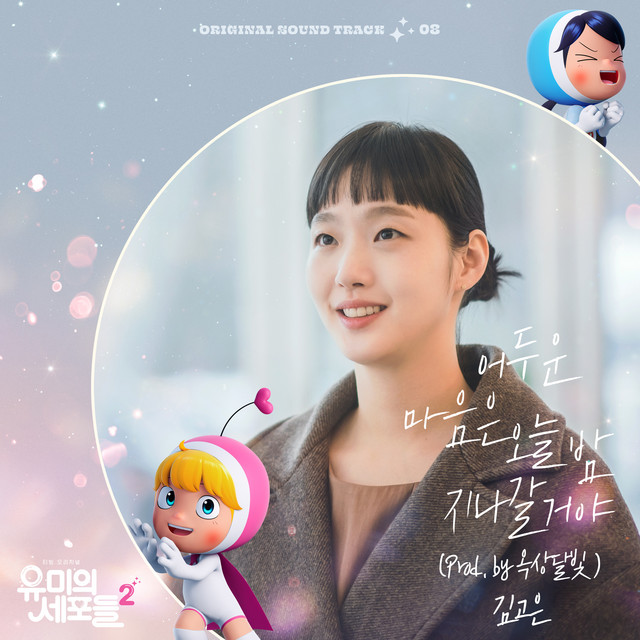
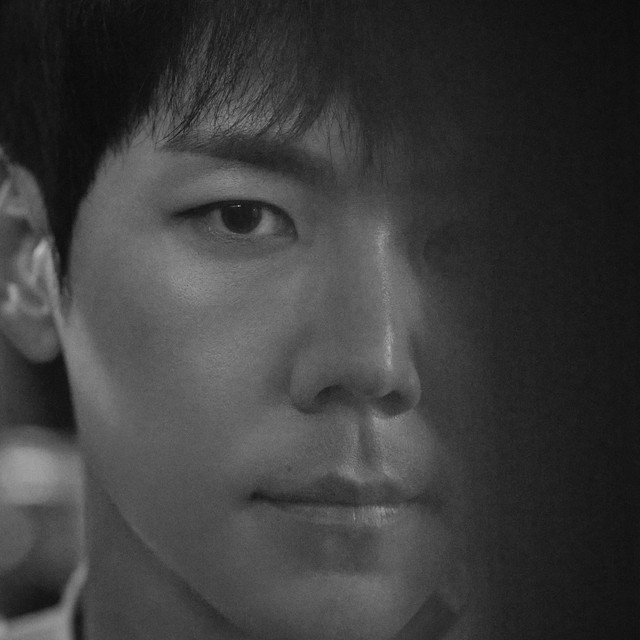
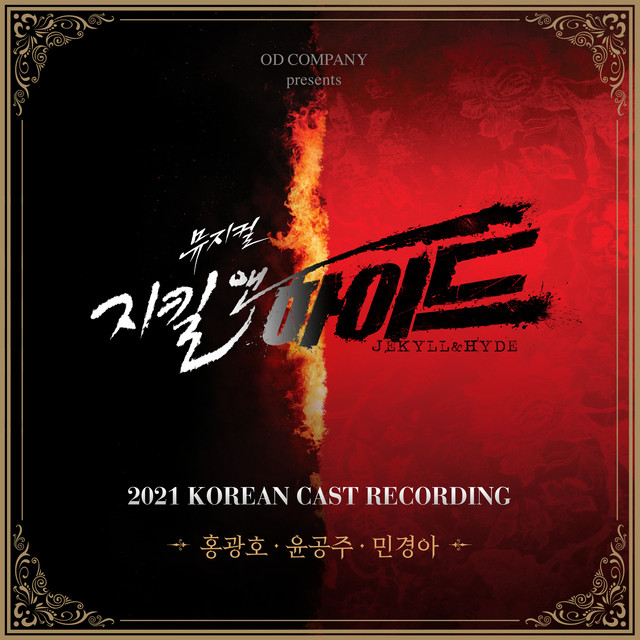

5

김소현
273
1,364 listeners
8

임태경
501
1,012 listeners


16
쏘냐
15
233 listeners
18

이성준
25
67 listeners
19

김준현
21
15 listeners
20
김승대
25
- listeners
21
신영숙
75
- listeners
About Korean musicals
Korean musicals is a vibrant strand of contemporary theatre that blends song, storytelling, dance, and visual spectacle into a distinctly Korean voice. It sits at the intersection of Western musical theatre’s formal structures and Korea’s rich performance traditions, creating works that can feel both intimate and cinematic. The genre grew out of Seoul’s bustling theatre scene in the late 1990s and early 2000s, when a wave of new writers, composers, and producers began crafting original material in Korean while also importing and adapting international formats. The result is a repertoire that ranges from intimate, character-driven pieces to large-scale, high-energy extravaganzas.
A key turning point for Korean musicals was the rise of Daehangno, Seoul’s historic theatre district, where small houses and experimental companies nurtured fearless storytelling and rapid production cycles. That ecosystem helped local creators experiment with form—integrating contemporary pop sensibilities, hip-hop, traditional Korean percussion, and cinematic staging—without losing sight of narrative clarity and emotional resonance. This mix of influences produced a distinctly Korean flavour: music that often leans into memorable melodies, rhythmic drive, and ensembles that can shift from intimate ballad moments to explosive group numbers in moments.
Factually, Korean musicals are known for their ability to break language barriers. Non-verbal or minimal-dialogue shows, as well as Korean-language productions of international hits, have helped the genre reach global audiences. One standout example often cited as a global ambassador for Korean musical theatre is Nanta (also known as Cookin’ Nanta), a high-energy, percussion-led non-verbal show that premiered in Seoul in the late 1990s and subsequently toured extensively around the world. Nanta demonstrated that strong musicality, sharp physical theatre, and precise timing could travel beyond language, turning a distinctly Korean concept into a worldwide phenomenon. Beyond Nanta, the scene has produced a steady stream of original works and Korean-language adaptations that tour domestically and abroad, expanding the country’s cultural footprint in live theatre.
Ambassadors of the genre aren’t limited to a single hit show. They are the artists, producers, and productions that consistently push Korean musicals onto international stages, from large-scale productions in Seoul’s premier theatres to touring companies that visit Asia, Europe, and North America. The genre’s growth is closely linked to Korea’s broader cultural wave—the Hallyu of music, television, and cinema—which has raised expectations for the musical format in Korea: tightened storytelling, high production values, and collaborations that fuse K-pop’s energy with theatre’s narrative depth.
For music enthusiasts, Korean musicals offer a fresh catalog of contemporary storytelling where mood, melody, and movement fuse to create immersive concert-like drama. It’s a scene that continues to evolve—embracing new talents, cross-cultural collaborations, and inventive staging—while preserving a distinctly Korean voice in the global theatre conversation. If you’re exploring modern musical theatre, Korean musicals provide a compelling, increasingly vital chapter that’s worth following closely. If you’d like, I can tailor this with specific artists, productions, or regional highlights and add source notes.
A key turning point for Korean musicals was the rise of Daehangno, Seoul’s historic theatre district, where small houses and experimental companies nurtured fearless storytelling and rapid production cycles. That ecosystem helped local creators experiment with form—integrating contemporary pop sensibilities, hip-hop, traditional Korean percussion, and cinematic staging—without losing sight of narrative clarity and emotional resonance. This mix of influences produced a distinctly Korean flavour: music that often leans into memorable melodies, rhythmic drive, and ensembles that can shift from intimate ballad moments to explosive group numbers in moments.
Factually, Korean musicals are known for their ability to break language barriers. Non-verbal or minimal-dialogue shows, as well as Korean-language productions of international hits, have helped the genre reach global audiences. One standout example often cited as a global ambassador for Korean musical theatre is Nanta (also known as Cookin’ Nanta), a high-energy, percussion-led non-verbal show that premiered in Seoul in the late 1990s and subsequently toured extensively around the world. Nanta demonstrated that strong musicality, sharp physical theatre, and precise timing could travel beyond language, turning a distinctly Korean concept into a worldwide phenomenon. Beyond Nanta, the scene has produced a steady stream of original works and Korean-language adaptations that tour domestically and abroad, expanding the country’s cultural footprint in live theatre.
Ambassadors of the genre aren’t limited to a single hit show. They are the artists, producers, and productions that consistently push Korean musicals onto international stages, from large-scale productions in Seoul’s premier theatres to touring companies that visit Asia, Europe, and North America. The genre’s growth is closely linked to Korea’s broader cultural wave—the Hallyu of music, television, and cinema—which has raised expectations for the musical format in Korea: tightened storytelling, high production values, and collaborations that fuse K-pop’s energy with theatre’s narrative depth.
For music enthusiasts, Korean musicals offer a fresh catalog of contemporary storytelling where mood, melody, and movement fuse to create immersive concert-like drama. It’s a scene that continues to evolve—embracing new talents, cross-cultural collaborations, and inventive staging—while preserving a distinctly Korean voice in the global theatre conversation. If you’re exploring modern musical theatre, Korean musicals provide a compelling, increasingly vital chapter that’s worth following closely. If you’d like, I can tailor this with specific artists, productions, or regional highlights and add source notes.