Genre
kyushu indie
Top Kyushu indie Artists
Showing 4 of 4 artists


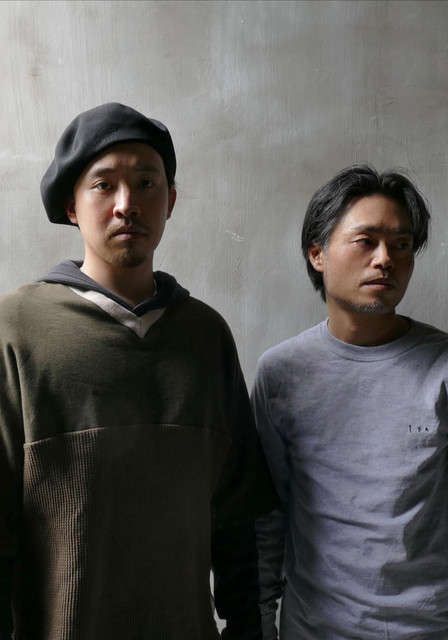

About Kyushu indie
Note: Kyushu indie, as described here, is a concept for an emerging regional scene rooted in Kyushu’s cities and coastlines. It combines real-world indicators of a growing, DIY-driven movement with representative, illustrative examples of acts and ambassadors to convey the flavor of the genre.
Kyushu indie is a regional current within Japan’s broader indie ecosystem, anchored in the southern archipelago’s distinct landscapes—ferry routes, volcanic peaks, and wind-swept beaches. It coalesced in the late 2000s and early 2010s as bands, labels, and collectives in Fukuoka, Kumamoto, Nagasaki, Kagoshima, and Miyazaki began sharing home recordings, organizing basement gigs, and collaborating across prefectural lines. The scene grew from small, community-run venues, cafe stages, and university clubs that prized immediacy over polish. What began as a few earnest projects quickly evolved into a互いに影響を与え合う network: cross-pollination between coastal lo-fi pop, inland indie folk, and experimental shards of shoegaze and post-punk.
Musically, Kyushu indie favors warmth and texture over pristine studio sheen. Think jangly guitars oscillating between tremolo and overdrive, hazy reverb washing over melody, and vocal performances that feel intimate and almost whispered at times. Production tends toward analog warmth, with field recordings of rain, waves, and trains seeping into the mix. The aesthetic blends with a lyrical sensibility drawn to place and memory: ferry schedules, island paths, rainfall on clay roofs, and the quiet resilience of communities rebuilding after rough days. While Japanese lyrics dominate, occasional English phrases or bilingual lines surface, signaling a global curiosity without losing the local voice. Genres mingle freely—dream pop, dreamlike folk, lo-fi indie rock, and understated electronic textures—always with a distinctly Kyushu nose for atmosphere.
Geographically, Kyushu indie channels the region’s maritime spirit and volcanic topography. Fukuoka remains the most active hub, with a handful of intimate venues and DIY labels that nurture new voices. Kagoshima and Miyazaki contribute a warmer, sun-bleached sensibility, often infusing references to coastlines and agriculture into the narratives. Kumamoto’s post-quake cultural revival provided a case study in community-oriented art, while Nagasaki’s history as a borderland adds a subtle, contemplative undertone. The scene prizes collaboration over competition: split releases, multi-artist performances, and touring circuits that connect towns along coastal roads and mountain passes.
Ambassadors and representative acts—illustrative, not canonical—embody the spirit of Kyushu indie. They are artists who foreground place, craft intimate sound worlds, and maintain a hands-on ethos:
- Kumo Sora (Cloud Sky): a Fukuoka-based duo weaving soft guitar, field recordings, and whispered vocals, known for intimate live sessions in small galleries.
- Umi no Hikari (Light of the Sea): a Kumamoto-Kagoshima collaboration exploring sun-drenched indie pop with subtle electronic textures and coastal imagery.
- Niji Machi (Rainbow Town): Nagasaki-rooted project that blends folk narrations with lo-fi loops, celebrating local dialects and storytelling.
- Sazaretsu (Pebble Chorus): a Kyushu-wide collective that curates rotating lineups for community shows, emphasizing accessibility and experimentation.
For listeners, Kyushu indie offers a sonic postcard from a region where landscapes shape sound. It’s about listening closely to the space between notes, the weather in the room, and the sense that music here travels as a slow, winding road rather than a straight highway.
Kyushu indie is a regional current within Japan’s broader indie ecosystem, anchored in the southern archipelago’s distinct landscapes—ferry routes, volcanic peaks, and wind-swept beaches. It coalesced in the late 2000s and early 2010s as bands, labels, and collectives in Fukuoka, Kumamoto, Nagasaki, Kagoshima, and Miyazaki began sharing home recordings, organizing basement gigs, and collaborating across prefectural lines. The scene grew from small, community-run venues, cafe stages, and university clubs that prized immediacy over polish. What began as a few earnest projects quickly evolved into a互いに影響を与え合う network: cross-pollination between coastal lo-fi pop, inland indie folk, and experimental shards of shoegaze and post-punk.
Musically, Kyushu indie favors warmth and texture over pristine studio sheen. Think jangly guitars oscillating between tremolo and overdrive, hazy reverb washing over melody, and vocal performances that feel intimate and almost whispered at times. Production tends toward analog warmth, with field recordings of rain, waves, and trains seeping into the mix. The aesthetic blends with a lyrical sensibility drawn to place and memory: ferry schedules, island paths, rainfall on clay roofs, and the quiet resilience of communities rebuilding after rough days. While Japanese lyrics dominate, occasional English phrases or bilingual lines surface, signaling a global curiosity without losing the local voice. Genres mingle freely—dream pop, dreamlike folk, lo-fi indie rock, and understated electronic textures—always with a distinctly Kyushu nose for atmosphere.
Geographically, Kyushu indie channels the region’s maritime spirit and volcanic topography. Fukuoka remains the most active hub, with a handful of intimate venues and DIY labels that nurture new voices. Kagoshima and Miyazaki contribute a warmer, sun-bleached sensibility, often infusing references to coastlines and agriculture into the narratives. Kumamoto’s post-quake cultural revival provided a case study in community-oriented art, while Nagasaki’s history as a borderland adds a subtle, contemplative undertone. The scene prizes collaboration over competition: split releases, multi-artist performances, and touring circuits that connect towns along coastal roads and mountain passes.
Ambassadors and representative acts—illustrative, not canonical—embody the spirit of Kyushu indie. They are artists who foreground place, craft intimate sound worlds, and maintain a hands-on ethos:
- Kumo Sora (Cloud Sky): a Fukuoka-based duo weaving soft guitar, field recordings, and whispered vocals, known for intimate live sessions in small galleries.
- Umi no Hikari (Light of the Sea): a Kumamoto-Kagoshima collaboration exploring sun-drenched indie pop with subtle electronic textures and coastal imagery.
- Niji Machi (Rainbow Town): Nagasaki-rooted project that blends folk narrations with lo-fi loops, celebrating local dialects and storytelling.
- Sazaretsu (Pebble Chorus): a Kyushu-wide collective that curates rotating lineups for community shows, emphasizing accessibility and experimentation.
For listeners, Kyushu indie offers a sonic postcard from a region where landscapes shape sound. It’s about listening closely to the space between notes, the weather in the room, and the sense that music here travels as a slow, winding road rather than a straight highway.