Genre
la indie
Top La indie Artists
Showing 25 of 106 artists










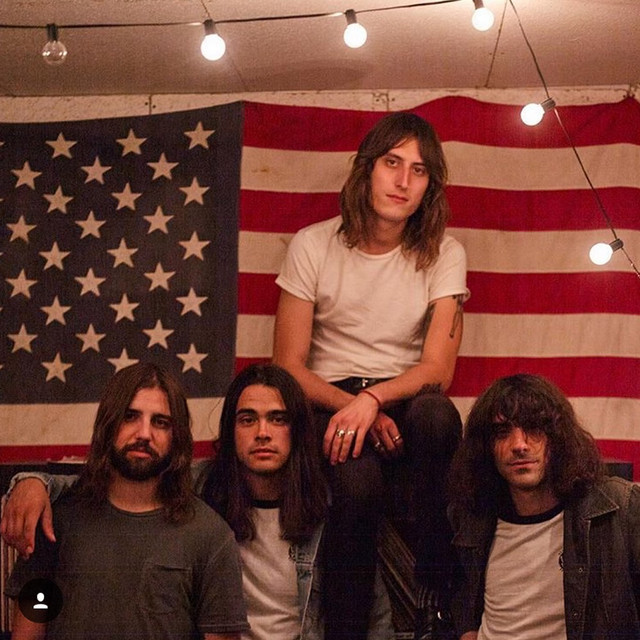
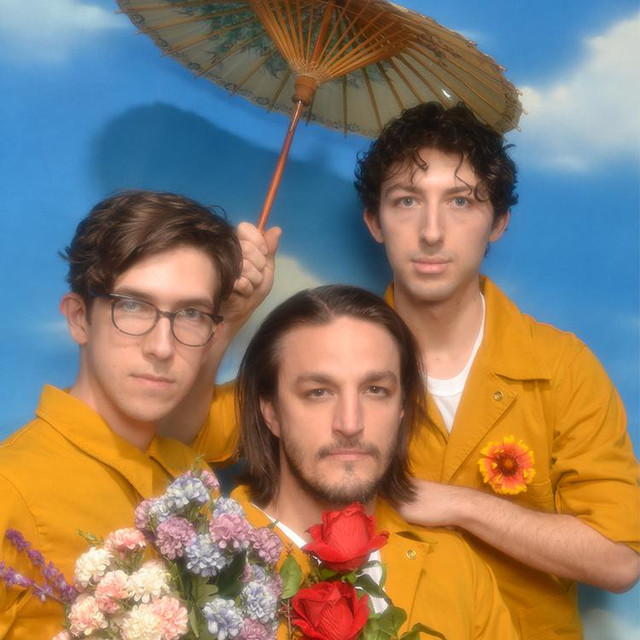
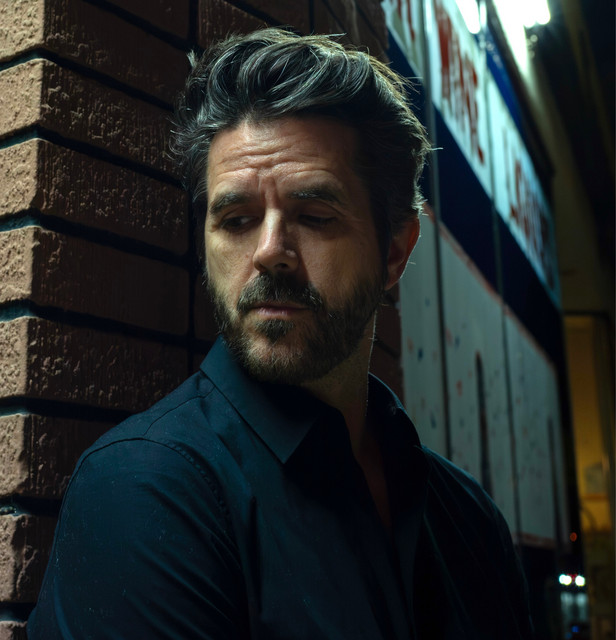
About La indie
La indie, or indie rock and pop, is an umbrella genre built not on a single sound but on a shared stance: music made largely outside the reach of major labels, with a DIY spirit, intimate sensibilities, and a tendency to experiment. The result is a wide spectrum—from jangly guitar pop to moody chamber-influenced rock, from lo‑fi bedroom recordings to expansive, anthemic arrangements. What ties it together is a cultural habit of prioritizing artistic control, authenticity, and a close dialogue with listeners over blockbuster commercial goals.
Originating in the late 1970s and becoming a recognizable scene in the 1980s, la indie began in and around the United Kingdom with a network of independent labels such as Rough Trade, Factory Records, and 4AD (and later Sub Pop in the United States). The label-based identity mattered as much as the music. Artists released records that could be pressed on a shoestring, distributed through independent shops, and promoted through fanzines and word of mouth. Early indie bands embraced a raw, personal approach to production and performance, often in stark contrast to polished mainstream pop. The term “indie” originally signified the label’s independence, not a fixed sonic template.
As the 1990s unfolded, indie exploded into a global phenomenon. In Europe and North America, the Creation Records wave (with Oasis, My Bloody Valentine, and later Belle and Sebastian) helped fuse indie aesthetics with mass attention, while the American scene diversified through labels like Sub Pop, Matador, and Saddle Creek. The result was a multi-headed monster: fuzzed-out guitar rock, lo‑fi bedroom pop, shimmering dream pop, and folk-leaning singer-songwriter styles all coexisting under the indie banner. Bands like Pavement, Yo La Tengo, Sleater-Kinney, and later Arcade Fire and Vampire Weekend became ambassadors who brought indie’s spirit to stadium stages without sacrificing an intimate, self-made vibe.
Key ambassadors of la indie include The Smiths, R.E.M., Pixies, and the Cocteau Twins in the earlier days; then Pavement, Belle and Sebastian, and Sonic Youth; and in the 2000s and beyond, Arcade Fire, The Strokes, Arctic Monkeys, Vampire Weekend, Bon Iver, and Tame Impala among others. These acts helped usher indie from the margins into mainstream consciousness while preserving a core ethos: creative autonomy, genre-crossing experimentation, and a listener‑centered approach.
Geographically, la indie flourishes most visibly in the UK, the United States, and Western Europe, but it is a truly global habit. Spain’s la indie and Spanish-language indie pop have grown into vibrant scenes with bands like Vetusta Morla and Love of Lesbian shaping a distinct, national indie voice. Mexico, Argentina, Chile, and Colombia host thriving indie communities that blend local sensibilities with international influences. In Asia and the Pacific, Japan and Australia maintain strong indie scenes that keep the DIY ethic alive. Streaming and global distribution have only accelerated its reach, turning “indie” into a language of independent artistry rather than a single genre tag.
In short, la indie is less about a fixed sound and more about a stubborn, inventive approach to making and releasing music. It invites curiosity, rewards authenticity, and remains a durable canvas for storytelling—whether the songs are jangling and bright or introspective and austere.
Originating in the late 1970s and becoming a recognizable scene in the 1980s, la indie began in and around the United Kingdom with a network of independent labels such as Rough Trade, Factory Records, and 4AD (and later Sub Pop in the United States). The label-based identity mattered as much as the music. Artists released records that could be pressed on a shoestring, distributed through independent shops, and promoted through fanzines and word of mouth. Early indie bands embraced a raw, personal approach to production and performance, often in stark contrast to polished mainstream pop. The term “indie” originally signified the label’s independence, not a fixed sonic template.
As the 1990s unfolded, indie exploded into a global phenomenon. In Europe and North America, the Creation Records wave (with Oasis, My Bloody Valentine, and later Belle and Sebastian) helped fuse indie aesthetics with mass attention, while the American scene diversified through labels like Sub Pop, Matador, and Saddle Creek. The result was a multi-headed monster: fuzzed-out guitar rock, lo‑fi bedroom pop, shimmering dream pop, and folk-leaning singer-songwriter styles all coexisting under the indie banner. Bands like Pavement, Yo La Tengo, Sleater-Kinney, and later Arcade Fire and Vampire Weekend became ambassadors who brought indie’s spirit to stadium stages without sacrificing an intimate, self-made vibe.
Key ambassadors of la indie include The Smiths, R.E.M., Pixies, and the Cocteau Twins in the earlier days; then Pavement, Belle and Sebastian, and Sonic Youth; and in the 2000s and beyond, Arcade Fire, The Strokes, Arctic Monkeys, Vampire Weekend, Bon Iver, and Tame Impala among others. These acts helped usher indie from the margins into mainstream consciousness while preserving a core ethos: creative autonomy, genre-crossing experimentation, and a listener‑centered approach.
Geographically, la indie flourishes most visibly in the UK, the United States, and Western Europe, but it is a truly global habit. Spain’s la indie and Spanish-language indie pop have grown into vibrant scenes with bands like Vetusta Morla and Love of Lesbian shaping a distinct, national indie voice. Mexico, Argentina, Chile, and Colombia host thriving indie communities that blend local sensibilities with international influences. In Asia and the Pacific, Japan and Australia maintain strong indie scenes that keep the DIY ethic alive. Streaming and global distribution have only accelerated its reach, turning “indie” into a language of independent artistry rather than a single genre tag.
In short, la indie is less about a fixed sound and more about a stubborn, inventive approach to making and releasing music. It invites curiosity, rewards authenticity, and remains a durable canvas for storytelling—whether the songs are jangling and bright or introspective and austere.