Genre
lagu bali
Top Lagu bali Artists
Showing 25 of 36 artists


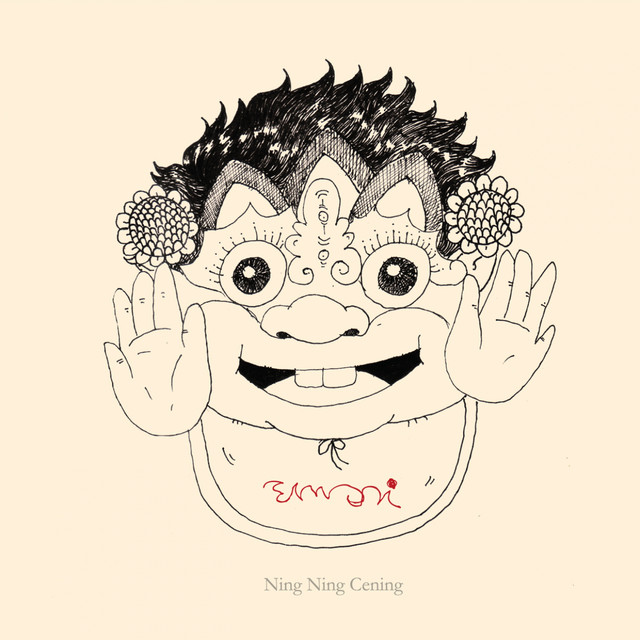





About Lagu bali
Lagu Bali is a broad umbrella for Balinese song that spans traditional ceremonial vocal styles, village melodies, and contemporary interpretations sung in Balinese or Indonesian. It sits at the crossroads of centuries-old ritual music and modern pop culture, reflecting Bali’s unique blend of sacred arts, lush landscapes, and a thriving tourist and artistic scene. The result is a genre that can feel ceremonial and intimate in one moment, and catchy and danceable in the next, inviting deep listening as well as easy enjoyment.
Origins and birth of the sound
Balinese music has deep roots in temple worship, court performance, and community ritual. In traditional Bali, music is not merely entertainment but a threaded voice of ceremony, storytelling, and social life. The gamelan ensembles—gongs, metallophones, drums, and voices—provide the architectural soundscape for rites, dances, and theatre. On the instrumental side, the gong and interlocking patterns (the practice known as kotekan) create shimmering, fast-paced textures that Balinese musicians have refined for centuries. In the early 20th century, a new, meticulously orchestrated style blossomed: gong kebyar, which brought brilliant changes in tempo, dynamics, and virtuoso playing. That period marked a significant evolution in Balinese sound, paving the way for what later audiences would call lagu Bali—a living repertoire that could be classical, folkloric, or increasingly contemporary and sung in everyday language.
From sacred forms to popular appeal
Over the decades, Balinese composers and vocalists began to weave traditional motives with Indonesian pop, folk, and later Western genres. This fusion gave rise to lagu Bali as a flexible category: some tracks honor ritual modes and Balinese scales (pelog and slendro) while others foreground lyrical storytelling, romance, landscapes, or social life, all sung in Balinese or in Indonesian with Balinese inflections. The result is a music culture that feels rooted in the island’s hills and temples yet resonant with the rhythms of global pop, dance music, and world music circuits. The Balinese emphasis on expressive vocal ornamentation—melismatic phrases, shadings of timbre, and a sense of micro-melody—adds a distinctive urgency and warmth to lagu Bali’s vocal lines.
Key ambassadors and the living ecosystem
In the international sphere, Balinese lagu Bali finds its most visible ambassadors through diaspora ensembles and world-music presentations. Notable among them is Gamelan Sekar Jaya, a prominent Balinese gamelan ensemble based in the United States, which has played a central role in presenting authentic and contemporary Balinese repertoire to global audiences. On Bali’s own soil, celebrated composers and performers—often blending traditional forms with modern arrangements—serve as ambassadors by touring, recording, and teaching. The genre thrives in Bali Arts Festival programs, Ubud and Denpasar stages, and cross-cultural collaborations that pair Balinese vocal traditions with jazz, ambient, and electronic textures.
Where it travels and who it captivates
Lagu Bali is most deeply rooted in Indonesia, especially in Bali and neighboring islands with strong Balinese communities. It enjoys robust presence in Southeast Asia and among Indonesian diasporas in the Netherlands, Australia, Singapore, and Malaysia. In Europe and North America, the genre appears at world music festivals, academic programs in ethnomusicology, and through dedicated Balinese ensembles that travel to share the island’s vocal flavor and melodic sensibility.
For enthusiasts, the genre rewards attentive, patient listening—allowing you to hear the interplay of voice with interlocking gamelan lines, the expressive nuance of Balinese diction, and the way contemporary songs cohere with ancestral sounds. If you’re exploring world music, lagu Bali offers a vivid gateway into Bali’s sonic imagination: ceremonial depth, melodic brightness, and a pulse that can carry both meditation and celebration.
Origins and birth of the sound
Balinese music has deep roots in temple worship, court performance, and community ritual. In traditional Bali, music is not merely entertainment but a threaded voice of ceremony, storytelling, and social life. The gamelan ensembles—gongs, metallophones, drums, and voices—provide the architectural soundscape for rites, dances, and theatre. On the instrumental side, the gong and interlocking patterns (the practice known as kotekan) create shimmering, fast-paced textures that Balinese musicians have refined for centuries. In the early 20th century, a new, meticulously orchestrated style blossomed: gong kebyar, which brought brilliant changes in tempo, dynamics, and virtuoso playing. That period marked a significant evolution in Balinese sound, paving the way for what later audiences would call lagu Bali—a living repertoire that could be classical, folkloric, or increasingly contemporary and sung in everyday language.
From sacred forms to popular appeal
Over the decades, Balinese composers and vocalists began to weave traditional motives with Indonesian pop, folk, and later Western genres. This fusion gave rise to lagu Bali as a flexible category: some tracks honor ritual modes and Balinese scales (pelog and slendro) while others foreground lyrical storytelling, romance, landscapes, or social life, all sung in Balinese or in Indonesian with Balinese inflections. The result is a music culture that feels rooted in the island’s hills and temples yet resonant with the rhythms of global pop, dance music, and world music circuits. The Balinese emphasis on expressive vocal ornamentation—melismatic phrases, shadings of timbre, and a sense of micro-melody—adds a distinctive urgency and warmth to lagu Bali’s vocal lines.
Key ambassadors and the living ecosystem
In the international sphere, Balinese lagu Bali finds its most visible ambassadors through diaspora ensembles and world-music presentations. Notable among them is Gamelan Sekar Jaya, a prominent Balinese gamelan ensemble based in the United States, which has played a central role in presenting authentic and contemporary Balinese repertoire to global audiences. On Bali’s own soil, celebrated composers and performers—often blending traditional forms with modern arrangements—serve as ambassadors by touring, recording, and teaching. The genre thrives in Bali Arts Festival programs, Ubud and Denpasar stages, and cross-cultural collaborations that pair Balinese vocal traditions with jazz, ambient, and electronic textures.
Where it travels and who it captivates
Lagu Bali is most deeply rooted in Indonesia, especially in Bali and neighboring islands with strong Balinese communities. It enjoys robust presence in Southeast Asia and among Indonesian diasporas in the Netherlands, Australia, Singapore, and Malaysia. In Europe and North America, the genre appears at world music festivals, academic programs in ethnomusicology, and through dedicated Balinese ensembles that travel to share the island’s vocal flavor and melodic sensibility.
For enthusiasts, the genre rewards attentive, patient listening—allowing you to hear the interplay of voice with interlocking gamelan lines, the expressive nuance of Balinese diction, and the way contemporary songs cohere with ancestral sounds. If you’re exploring world music, lagu Bali offers a vivid gateway into Bali’s sonic imagination: ceremonial depth, melodic brightness, and a pulse that can carry both meditation and celebration.