Genre
lagu jawa
Top Lagu jawa Artists
Showing 25 of 910 artists






About Lagu jawa
Lagu Jawa is a broad umbrella for Javanese-language songs, rooted in Java’s musical life yet spanning centuries and styles. It encompasses the refined vocal poetry of the macapat tradition, the timbral world of gamelan-inspired song, and the contemporary, campursari-infused pop that travels through radios, streaming, and live stages. What ties them together is a distinctly Javanese sensibility: narrative lyricism, a melodic sweetness, and a sense of place that alternates between intimate village spaces and bustling urban venues.
Historically, Javanese singing grew from the island’s courtly and temple music, where vocal lines intertwined with gamelan ensembles using slendro or pelog scales. Over centuries, the repertoire expanded from ceremonial and court songs to village singing, street performances, and popular cinema songs. The macapat poems, with fixed meters and deep storytelling, anchored a traditional Javanese vocal practice that remains influential.
The modern face of lagu Jawa took shape with campursari, a fusion born in Yogyakarta and Surakarta. By mixing traditional gamelan textures with Western instruments and dangdut rhythms, campursari created a flexible sound that can linger in a ballad or burst into danceable tempo. In this scene, a handful of artists became emblematic ambassadors of the genre to new listeners. Didi Kempot stands as the most recognized figure: his Javanese heartbreak songs—often about love and life’s disappointments—made him a national icon and earned him the title Godfather of the campursari/post-damai Javanese song. His work bridged folk clubs, urban stages, and online communities, ensuring the language’s survival beyond regional borders.
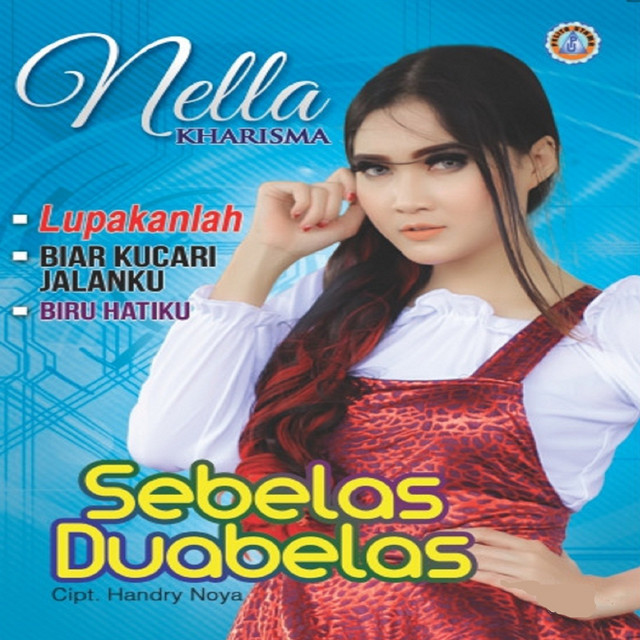
In more recent years, artists such as Nella Kharisma have carried lagu Jawa into the contemporary mainstream. Blending dangdut, pop, and campursari, she has broadened the audience for Javanese-language music across Indonesia and among diaspora listeners via streaming platforms. Together, these figures show how lagu Jawa lives through tradition while continually reinterpreting itself for modern ears.
Where is it popular? Indonesia is the primary home and playground of lagu Jawa, with particular strength in Java’s cities and rural centers. The genre also finds enthusiastic audiences in neighboring Southeast Asian contexts with Indonesian-language media, and among Indonesian communities abroad—especially through YouTube and streaming services that bring Javanese voices to listeners far from Java.
For music enthusiasts, lagu Jawa offers a crossroads: you can hear the ceremonial echoes of macapat and gamelan in one track, then the direct, tell-it-like-it-is storytelling of a modern campursari ballad in the next. The genre invites investigation of scales, timbres, and lyric storytelling—a living, evolving tradition that remains unmistakably Javanese.
Historically, Javanese singing grew from the island’s courtly and temple music, where vocal lines intertwined with gamelan ensembles using slendro or pelog scales. Over centuries, the repertoire expanded from ceremonial and court songs to village singing, street performances, and popular cinema songs. The macapat poems, with fixed meters and deep storytelling, anchored a traditional Javanese vocal practice that remains influential.
The modern face of lagu Jawa took shape with campursari, a fusion born in Yogyakarta and Surakarta. By mixing traditional gamelan textures with Western instruments and dangdut rhythms, campursari created a flexible sound that can linger in a ballad or burst into danceable tempo. In this scene, a handful of artists became emblematic ambassadors of the genre to new listeners. Didi Kempot stands as the most recognized figure: his Javanese heartbreak songs—often about love and life’s disappointments—made him a national icon and earned him the title Godfather of the campursari/post-damai Javanese song. His work bridged folk clubs, urban stages, and online communities, ensuring the language’s survival beyond regional borders.
In more recent years, artists such as Nella Kharisma have carried lagu Jawa into the contemporary mainstream. Blending dangdut, pop, and campursari, she has broadened the audience for Javanese-language music across Indonesia and among diaspora listeners via streaming platforms. Together, these figures show how lagu Jawa lives through tradition while continually reinterpreting itself for modern ears.
Where is it popular? Indonesia is the primary home and playground of lagu Jawa, with particular strength in Java’s cities and rural centers. The genre also finds enthusiastic audiences in neighboring Southeast Asian contexts with Indonesian-language media, and among Indonesian communities abroad—especially through YouTube and streaming services that bring Javanese voices to listeners far from Java.
For music enthusiasts, lagu Jawa offers a crossroads: you can hear the ceremonial echoes of macapat and gamelan in one track, then the direct, tell-it-like-it-is storytelling of a modern campursari ballad in the next. The genre invites investigation of scales, timbres, and lyric storytelling—a living, evolving tradition that remains unmistakably Javanese.