Genre
latin american baroque
Top Latin american baroque Artists
Showing 22 of 22 artists


About Latin american baroque
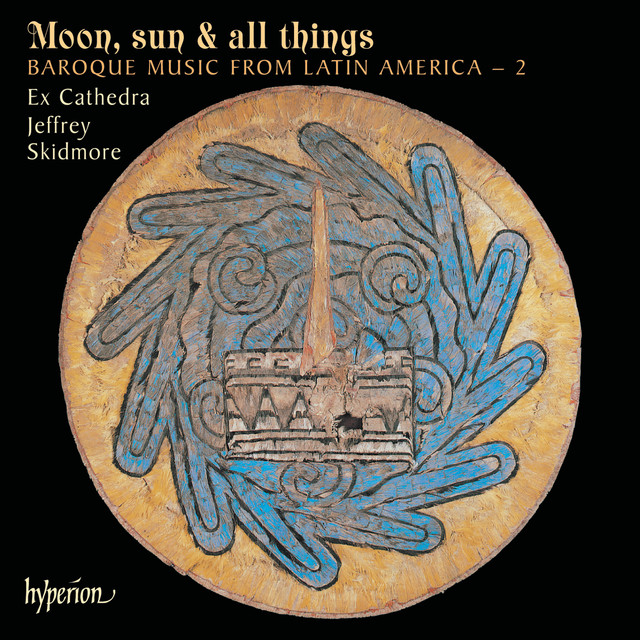
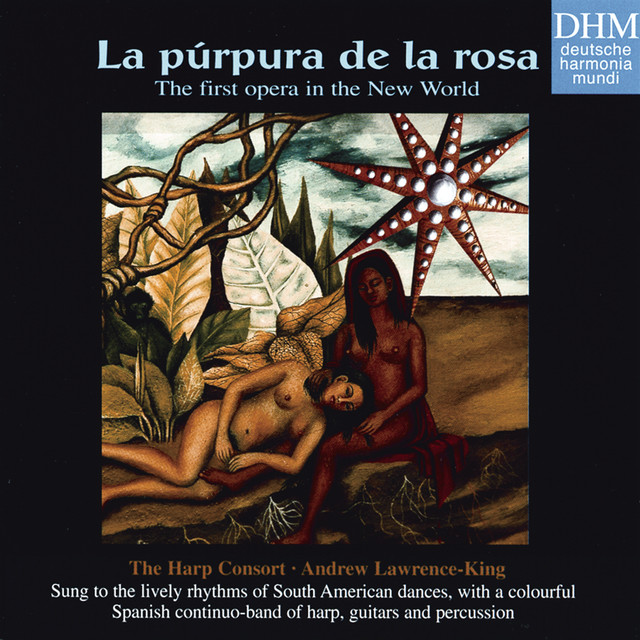
Latin American Baroque is the regional offshoot of the European Baroque, a broad musical movement that took root in the colonies of the Americas from the 17th into the 18th century. Born in the shadow of cathedrals, missions, and royal chapels, it grew into a distinctive sound world that blended European choral and instrumental practices with the rhythms, melodies, and textures of the New World. While it shares the dramatic contrasts and ornate textures of its European counterpart, Latin American Baroque is also recognizably local: a living dialogue between Iberian sacred forms and the everyday sonic cultures of Indigenous, African, and mixed-heritage communities.
Geographically, the tradition flourished in Mexico, the Andean corridor (present-day Peru, Bolivia, and parts of Chile and Argentina), the Caribbean (notably Cuba), and increasingly in Colombia and Brazil. The church was the principal patron, commissioning pieces for Mass, processions, feast days, and other liturgical ceremonies. The repertoire is dominated by sacred works—Masses, motets, solo and choral cantatas, and an astonishing number of villancicos, which range from solemn to festive and often incorporate vernacular texts or popular tunes. Instrumental practice accompanied the voices with organ, string ensembles, and continuo groups, while in more expansive urban churches, large-scale, multi-choral textures could rival those of European cathedrals.
From a stylistic standpoint, Latin American Baroque kept the backbone of European polyphony but quickly absorbed local color. Villancicos—seasonal pieces that often fused sacred themes with folk melodies and dramatic storytelling—became a principal vehicle for expression and ingenuity. Indigenous melodic sensibilities, African rhythms and timbres, and regional instruments such as guitars, vihuelas, and various plucked doublings contributed to a distinct color palette. The result is music that can feel ceremonial and densely woven one moment, intimate and improvisatory the next; it can be lush and spacious in sacred settings yet playful in festive porch performances or parish celebrations.
Key figures are often highlighted as ambassadors of the genre. In Mexico, Juan Gutiérrez de Padilla is celebrated for his substantial sacred output written for the great cathedrals and chapels of the country. Across the Caribbean, Esteban Salas y Castro stands out as a pivotal Cuban voice, whose choral and instrumental works are emblematic of the island’s Baroque flowering. In the Andean world, Juan de Araujo and his contemporaries contributed richly to the Jesuit mission repertoire, producing a prolific corpus of villancicos and masses that circulated throughout the southern Viceroyalty. These names, among others, symbolize a broader, collaborative culture of religious music-making—one that thrived in churches, chapels, and mission churches wherever the colonial world touched the Andes, the Caribbean, and beyond.
Today the genre enjoys renewed attention from early-music ensembles and scholars who map its regional flavors and cross-cultural dialogues. For the music enthusiast, Latin American Baroque offers a doorway into a soundscape where European architectural grandeur meets the vibrant, sometimes improvisatory spirit of the Americas. If you seek a point of access, listen for the lift and energy in the villancico tradition, the reverent intensity of Mass settings, and the surprising ways regional instruments and rhythms color long-standing Baroque forms.
Geographically, the tradition flourished in Mexico, the Andean corridor (present-day Peru, Bolivia, and parts of Chile and Argentina), the Caribbean (notably Cuba), and increasingly in Colombia and Brazil. The church was the principal patron, commissioning pieces for Mass, processions, feast days, and other liturgical ceremonies. The repertoire is dominated by sacred works—Masses, motets, solo and choral cantatas, and an astonishing number of villancicos, which range from solemn to festive and often incorporate vernacular texts or popular tunes. Instrumental practice accompanied the voices with organ, string ensembles, and continuo groups, while in more expansive urban churches, large-scale, multi-choral textures could rival those of European cathedrals.
From a stylistic standpoint, Latin American Baroque kept the backbone of European polyphony but quickly absorbed local color. Villancicos—seasonal pieces that often fused sacred themes with folk melodies and dramatic storytelling—became a principal vehicle for expression and ingenuity. Indigenous melodic sensibilities, African rhythms and timbres, and regional instruments such as guitars, vihuelas, and various plucked doublings contributed to a distinct color palette. The result is music that can feel ceremonial and densely woven one moment, intimate and improvisatory the next; it can be lush and spacious in sacred settings yet playful in festive porch performances or parish celebrations.
Key figures are often highlighted as ambassadors of the genre. In Mexico, Juan Gutiérrez de Padilla is celebrated for his substantial sacred output written for the great cathedrals and chapels of the country. Across the Caribbean, Esteban Salas y Castro stands out as a pivotal Cuban voice, whose choral and instrumental works are emblematic of the island’s Baroque flowering. In the Andean world, Juan de Araujo and his contemporaries contributed richly to the Jesuit mission repertoire, producing a prolific corpus of villancicos and masses that circulated throughout the southern Viceroyalty. These names, among others, symbolize a broader, collaborative culture of religious music-making—one that thrived in churches, chapels, and mission churches wherever the colonial world touched the Andes, the Caribbean, and beyond.
Today the genre enjoys renewed attention from early-music ensembles and scholars who map its regional flavors and cross-cultural dialogues. For the music enthusiast, Latin American Baroque offers a doorway into a soundscape where European architectural grandeur meets the vibrant, sometimes improvisatory spirit of the Americas. If you seek a point of access, listen for the lift and energy in the villancico tradition, the reverent intensity of Mass settings, and the surprising ways regional instruments and rhythms color long-standing Baroque forms.