Genre
latin dance
Top Latin dance Artists
Showing 25 of 280 artists





About Latin dance
Latin dance is an umbrella category for the rhythm-driven, danceable side of Latin American and Caribbean music. It’s less a single sound and more a living ecosystem of styles that share infectious grooves, call-and-response percussion, and a emphasis on movement that can be traced from Havana to Havana’s diaspora in New York, Bogotá, Lima, and beyond.
Origins and birth
The roots lie in Afro-Latin exchanges that began in the early 20th century. Afro-Cuban genres such as son montuno, rumba, and guaracha fused with European ballroom traditions, giving birth to complex, polyrhythmic patterns. By the 1940s and 1950s, mambo, cha-cha-cha, and other Cuban styles had crossed the Atlantic and entered popular culture. In the vibrant immigrant communities of New York City, these rhythms mingled with Puerto Rican, Dominican, and other Latin tastes, coalescing into what would be marketed globally as salsa in the 1960s and 1970s. The Fania All-Stars and a generation of musicians—Celia Cruz, Héctor Lavoe, Tito Puente, Willie Colón, Rubén Blades—made salsa a global phenomenon, while other strands such as merengue from the Dominican Republic, bachata from the same country, and samba from Brazil broadened the map of “Latin dance” music.
Key artists and ambassadors
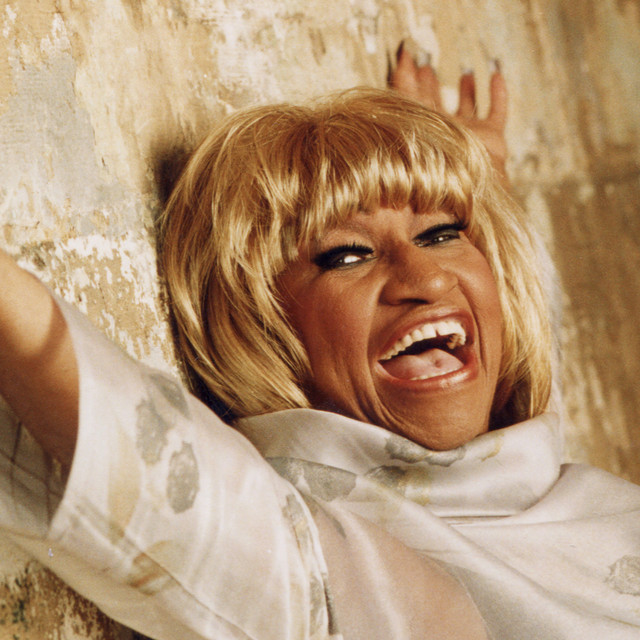
- Salsa and its stars: Celia Cruz (the Queen of Salsa), Tito Puente, Héctor Lavoe, Ruben Blades, and Marc Anthony helped popularize the genre far beyond its New York roots. Their recordings and performances on dance floors and TV brought salsa to millions.
- Merengue and bachata: The Dominican Republic gave the world vibrant dance-floor staples; artists like Johnny Ventura and the modern bachata wave led by Aventura and Romeo Santos helped the genre reach younger dance enthusiasts across the Americas.
- Crossover and global pop: Shakira, Jennifer Lopez, Enrique Iglesias, Marc Anthony, and Ricky Martin expanded Latin dance into mainstream pop, while Brazilian samba and Rio’s Carnaval rhythms continue to ignite dance floors with relentless energy.
- Reggaeton and Latin urban: Emerging in Puerto Rico in the 1990s and exploding in the 2000s, Daddy Yankee, Don Omar, J Balvin, Bad Bunny, and Balvin’s Medellín-school of reggaeton pushed Latin dance into clubs and streaming playlists worldwide.
Where it’s most popular
Latin dance thrives across the Americas and in Europe and beyond. It remains incredibly strong in Cuba and Puerto Rico, and Dominican Republic, Colombia (notably Bogotá and Cali), and Mexico. The United States hosts huge communities of fans and dancers in New York, Miami, Los Angeles, and beyond. Spain, Argentina, and other parts of Europe have avid salsa, bachata, and reggaeton scenes. Brazil keeps samba as a central, relentless dance rhythm, while Latin-influenced pop and reggaeton have found dedicated audiences in virtually every continent.
What to listen for
Expect infectious percussion (conga, timbales, clave patterns), call-and-response vocal lines, horn-driven energy in salsa, or smooth guitar and romantic storytelling in bachata. Latin dance as a genre is about movement as much as sound: it invites dancers to interpret syncopated grooves, improvise with partners, and celebrate communal joy on the floor.
In short, latin dance is a worldwide invitation to swing, spin, and sway to a centuries-spanning blend of rhythms, faces, and stories.
Origins and birth
The roots lie in Afro-Latin exchanges that began in the early 20th century. Afro-Cuban genres such as son montuno, rumba, and guaracha fused with European ballroom traditions, giving birth to complex, polyrhythmic patterns. By the 1940s and 1950s, mambo, cha-cha-cha, and other Cuban styles had crossed the Atlantic and entered popular culture. In the vibrant immigrant communities of New York City, these rhythms mingled with Puerto Rican, Dominican, and other Latin tastes, coalescing into what would be marketed globally as salsa in the 1960s and 1970s. The Fania All-Stars and a generation of musicians—Celia Cruz, Héctor Lavoe, Tito Puente, Willie Colón, Rubén Blades—made salsa a global phenomenon, while other strands such as merengue from the Dominican Republic, bachata from the same country, and samba from Brazil broadened the map of “Latin dance” music.
Key artists and ambassadors
- Salsa and its stars: Celia Cruz (the Queen of Salsa), Tito Puente, Héctor Lavoe, Ruben Blades, and Marc Anthony helped popularize the genre far beyond its New York roots. Their recordings and performances on dance floors and TV brought salsa to millions.
- Merengue and bachata: The Dominican Republic gave the world vibrant dance-floor staples; artists like Johnny Ventura and the modern bachata wave led by Aventura and Romeo Santos helped the genre reach younger dance enthusiasts across the Americas.
- Crossover and global pop: Shakira, Jennifer Lopez, Enrique Iglesias, Marc Anthony, and Ricky Martin expanded Latin dance into mainstream pop, while Brazilian samba and Rio’s Carnaval rhythms continue to ignite dance floors with relentless energy.
- Reggaeton and Latin urban: Emerging in Puerto Rico in the 1990s and exploding in the 2000s, Daddy Yankee, Don Omar, J Balvin, Bad Bunny, and Balvin’s Medellín-school of reggaeton pushed Latin dance into clubs and streaming playlists worldwide.
Where it’s most popular
Latin dance thrives across the Americas and in Europe and beyond. It remains incredibly strong in Cuba and Puerto Rico, and Dominican Republic, Colombia (notably Bogotá and Cali), and Mexico. The United States hosts huge communities of fans and dancers in New York, Miami, Los Angeles, and beyond. Spain, Argentina, and other parts of Europe have avid salsa, bachata, and reggaeton scenes. Brazil keeps samba as a central, relentless dance rhythm, while Latin-influenced pop and reggaeton have found dedicated audiences in virtually every continent.
What to listen for
Expect infectious percussion (conga, timbales, clave patterns), call-and-response vocal lines, horn-driven energy in salsa, or smooth guitar and romantic storytelling in bachata. Latin dance as a genre is about movement as much as sound: it invites dancers to interpret syncopated grooves, improvise with partners, and celebrate communal joy on the floor.
In short, latin dance is a worldwide invitation to swing, spin, and sway to a centuries-spanning blend of rhythms, faces, and stories.