Genre
latin hip hop
Top Latin hip hop Artists
Showing 25 of 3,459 artists























About Latin hip hop
Latin hip hop is a cultural fusion that blends the mic-driven cadence of hip hop with the melodic, percussive, and rhythmic vocabulary of Latin music. It’s not a single sound, but a family of scenes in which Spanish, Portuguese, and English collide on the same track, often swapping between languages and rhythms. The genre sits at a crossroads: it carries the street storytelling of American hip hop while drawing on salsa, mambo, merengue, reggaeton, and Afro-Latin percussion, creating a vibrant, danceable, and socially aware current.
Origins date the movement to the late 1980s and early 1990s, when Latinx and Latino communities in major U.S. cities began rapping in their native tongues and weaving Latin musical motifs into the production. Early pioneers set the template for bilingual, bi-cultural expression. One widely cited doorway track is Mellow Man Ace’s “Mentirosa” (1990), which fused Spanish phrases with the then-dominant West Coast sound and helped popularize Latin-flavored rap beyond regional scenes. In Los Angeles and New York, groups and artists such as Cypress Hill and Vico C helped formalize a Latin hip hop lineage: Cypress Hill, formed by bilingual, Latino artists, brought gritty, socially conscious rhymes and Latin-inflected flair to global audiences, especially with albums like Black Sunday (1993). Vico C, often hailed as the Godfather of Latin hip hop, anchored Puerto Rico’s scene and inspired countless emcees across the Caribbean and the Americas.
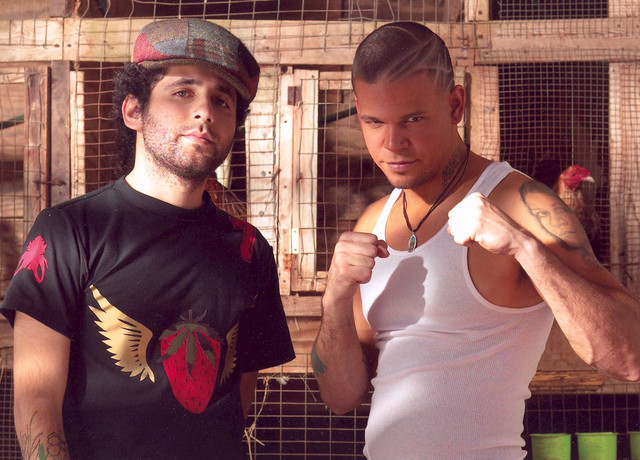
The late 1990s and 2000s saw the genre broaden well beyond its New York–Los Angeles roots. Big Pun and Fat Joe, both rooted in the Bronx, elevated Latin hip hop’s profile with dense lyrical bravura, technical fluency, and crossover appeal. Meanwhile, artists from diverse backgrounds—Calle 13 from Puerto Rico, known for fearless fusion and sharp social satire, and other Latin acts in the U.S., Mexico, Colombia, and Argentina—pushed the identity of Latin hip hop into new sonic territories. Calle 13, with Residente and Visitante, became a global ambassador of Latin urban music, winning multiple Latin Grammy Awards and reshaping expectations for what Latin rap could be—politically aware, theatrically eclectic, and sonically expansive.
Today, Latin hip hop remains most prominent in countries with strong diasporic or urban music ecosystems. The United States (notably among Latino communities in New York, Miami, Los Angeles) and Puerto Rico are foundational hubs. It also enjoys robust scenes in Mexico, Colombia, and Argentina, where producers, crews, and solo artists blend traditional Latin forms with hip hop’s cadence and modern production. The genre continues to evolve through cross-pollination with reggaeton, Latin trap, and Latin alternative, ensuring that Latin hip hop remains a dynamic, world-spanning voice of urban life, identity, and resilience. For listeners, the ride offers hard-won storytelling, bilingual wordplay, and a continually expanding palette of Latin grooves beneath the Street-poet cadence.
Origins date the movement to the late 1980s and early 1990s, when Latinx and Latino communities in major U.S. cities began rapping in their native tongues and weaving Latin musical motifs into the production. Early pioneers set the template for bilingual, bi-cultural expression. One widely cited doorway track is Mellow Man Ace’s “Mentirosa” (1990), which fused Spanish phrases with the then-dominant West Coast sound and helped popularize Latin-flavored rap beyond regional scenes. In Los Angeles and New York, groups and artists such as Cypress Hill and Vico C helped formalize a Latin hip hop lineage: Cypress Hill, formed by bilingual, Latino artists, brought gritty, socially conscious rhymes and Latin-inflected flair to global audiences, especially with albums like Black Sunday (1993). Vico C, often hailed as the Godfather of Latin hip hop, anchored Puerto Rico’s scene and inspired countless emcees across the Caribbean and the Americas.
The late 1990s and 2000s saw the genre broaden well beyond its New York–Los Angeles roots. Big Pun and Fat Joe, both rooted in the Bronx, elevated Latin hip hop’s profile with dense lyrical bravura, technical fluency, and crossover appeal. Meanwhile, artists from diverse backgrounds—Calle 13 from Puerto Rico, known for fearless fusion and sharp social satire, and other Latin acts in the U.S., Mexico, Colombia, and Argentina—pushed the identity of Latin hip hop into new sonic territories. Calle 13, with Residente and Visitante, became a global ambassador of Latin urban music, winning multiple Latin Grammy Awards and reshaping expectations for what Latin rap could be—politically aware, theatrically eclectic, and sonically expansive.
Today, Latin hip hop remains most prominent in countries with strong diasporic or urban music ecosystems. The United States (notably among Latino communities in New York, Miami, Los Angeles) and Puerto Rico are foundational hubs. It also enjoys robust scenes in Mexico, Colombia, and Argentina, where producers, crews, and solo artists blend traditional Latin forms with hip hop’s cadence and modern production. The genre continues to evolve through cross-pollination with reggaeton, Latin trap, and Latin alternative, ensuring that Latin hip hop remains a dynamic, world-spanning voice of urban life, identity, and resilience. For listeners, the ride offers hard-won storytelling, bilingual wordplay, and a continually expanding palette of Latin grooves beneath the Street-poet cadence.