Genre
latvian hip hop
Top Latvian hip hop Artists
Showing 25 of 75 artists



















About Latvian hip hop
Latvian hip hop is the Baltic Republic’s distinctive voice within the global rap map. It grew from the late-1990s underground in Riga and other Latvian cities, where teenagers and young adults swapped mixtapes, experimented in home studios, and started writing lyrics in their own language rather than in English or Russian. The scene blossomed as local producers learned to blend US-influenced boom-bap, grime-inspired rhythm, and later trap cadences with Latvian phonetics, slang, and social concerns that spoke directly to a Latvian audience. By the early 2000s, small crews and independent labels were laying the groundwork for a genre that would evolve from a niche curiosity into a trusted cultural voice for a generation.
The earliest waves came from a sense of urban realism and a curiosity about language. Latvian hip hop often foregrounds storytelling—city life, work, family, and the pressures and hopes of adolescence—while experimenting with the prosody of the Latvian language. Producers drew on jazz, funk, electronic textures, and later, more dancefloor-oriented traps, ensuring the sound remained rooted in the Baltic climate while still feeling global. The scene matured through underground clubs, radio slots, and increasingly visible online platforms, which allowed artists to reach audiences beyond their home cities and to connect with Baltic peers across Latvia, Lithuania, and Estonia.
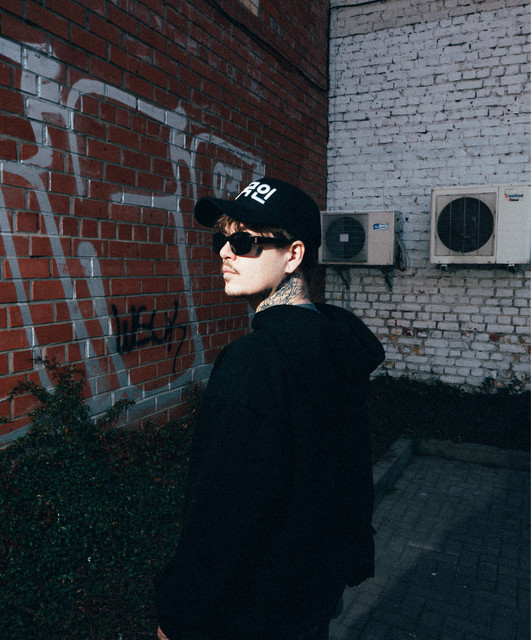
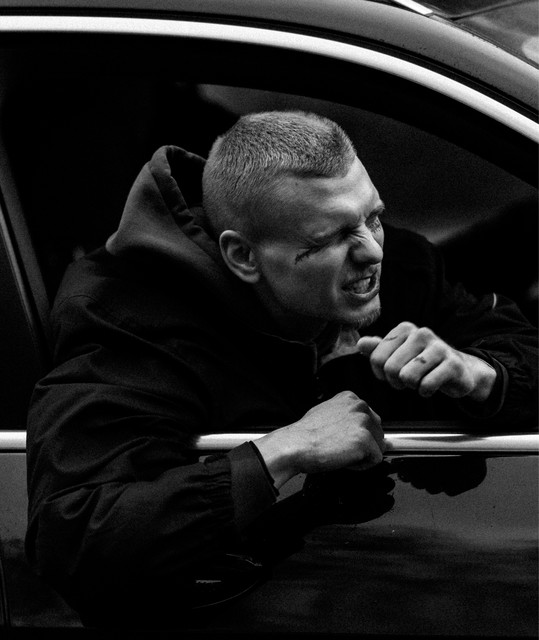
Key artists and ambassadors have helped define the sound and its reach. In Latvia, figures like Ozols and Ansis have stood as prominent faces—artists whose work bridged underground credibility and mainstream recognition, helping Latvian-language rap feel both contemporary and proudly local. Their tracks often balance catchy hooks with hard-hitting verses, weaving social commentary with personal reflection. They represent a lineage of artists who show that Latvian hip hop can be both artistically serious and widely appealing, serving as touchstones for new generations of lyricists and producers who follow in their footsteps.
Stylistically, Latvian hip hop remains diverse. You’ll hear everything from downtempo, introspective tracks that favor atmosphere and wordplay to high-energy, club-friendly anthems that ride tight 808s and punchy snares. The genre also reflects cross-cultural exchanges within the Baltic region and Europe: collaborations with Lithuanian and Estonian artists, mutual influences with European trap scenes, and a shared appetite for bilingual or multilingual experimentation. Production often features crisp drum programs, soulful samples, and, increasingly, live instrumentation infused with electronic textures. Lyrics—primarily in Latvian—can range from political or social critique to introspective storytelling and playful wordplay.
In terms of reach, Latvian hip hop remains most popular in Latvia itself, where it is part of a vibrant youth culture and media ecosystem. It also finds an audience in neighboring Baltic countries, among the Latvian and Baltic diasporas abroad (notably in the UK, Ireland, and parts of Western Europe), and through streaming platforms that connect listeners across continents. Festivals, club nights, and online mixes continue to nurture new acts and keep the conversation brisk. For enthusiasts, Latvian hip hop offers a compelling blend of local specificity and global technique—a genre that proves language can be as expansive as rhythm itself.
The earliest waves came from a sense of urban realism and a curiosity about language. Latvian hip hop often foregrounds storytelling—city life, work, family, and the pressures and hopes of adolescence—while experimenting with the prosody of the Latvian language. Producers drew on jazz, funk, electronic textures, and later, more dancefloor-oriented traps, ensuring the sound remained rooted in the Baltic climate while still feeling global. The scene matured through underground clubs, radio slots, and increasingly visible online platforms, which allowed artists to reach audiences beyond their home cities and to connect with Baltic peers across Latvia, Lithuania, and Estonia.
Key artists and ambassadors have helped define the sound and its reach. In Latvia, figures like Ozols and Ansis have stood as prominent faces—artists whose work bridged underground credibility and mainstream recognition, helping Latvian-language rap feel both contemporary and proudly local. Their tracks often balance catchy hooks with hard-hitting verses, weaving social commentary with personal reflection. They represent a lineage of artists who show that Latvian hip hop can be both artistically serious and widely appealing, serving as touchstones for new generations of lyricists and producers who follow in their footsteps.
Stylistically, Latvian hip hop remains diverse. You’ll hear everything from downtempo, introspective tracks that favor atmosphere and wordplay to high-energy, club-friendly anthems that ride tight 808s and punchy snares. The genre also reflects cross-cultural exchanges within the Baltic region and Europe: collaborations with Lithuanian and Estonian artists, mutual influences with European trap scenes, and a shared appetite for bilingual or multilingual experimentation. Production often features crisp drum programs, soulful samples, and, increasingly, live instrumentation infused with electronic textures. Lyrics—primarily in Latvian—can range from political or social critique to introspective storytelling and playful wordplay.
In terms of reach, Latvian hip hop remains most popular in Latvia itself, where it is part of a vibrant youth culture and media ecosystem. It also finds an audience in neighboring Baltic countries, among the Latvian and Baltic diasporas abroad (notably in the UK, Ireland, and parts of Western Europe), and through streaming platforms that connect listeners across continents. Festivals, club nights, and online mixes continue to nurture new acts and keep the conversation brisk. For enthusiasts, Latvian hip hop offers a compelling blend of local specificity and global technique—a genre that proves language can be as expansive as rhythm itself.