Genre
lds instrumental
Top Lds instrumental Artists
Showing 25 of 26 artists










About Lds instrumental
LDS instrumental is not a formal, universally codified genre, but a niche label used by enthusiasts to describe instrumental music created by or for members of The Church of Jesus Christ of Latter-day Saints. It spans a range of approaches—from intimate piano solos and string textures to expansive orchestral sopranos and ambient soundscapes. The common thread is a spiritual sensibility: music designed to invite reflection, reverence, and personal worship rather than flashy spectacle or secular bravado. For many listeners, the genre functions as a sonic space where faith and craft meet, producing listening experiences that feel both intimate and expansive.
Origins and development: The contemporary LDS instrumental scene grew from a broader Mormon musical culture—hymn-based traditions, choral and organ repertoire, and temple-centered music—into a more public, performer-driven form in the late 20th and early 21st centuries. Advances in home recording and digital distribution helped independent artists reach audiences beyond congregational settings. Over the 2000s and 2010s, instrumental albums, videos, and streaming releases began to circulate widely, often pairing sacred themes with accessible, contemplative musical language. The result is a community-driven scene that values artistry, devotion, and a sense of shared faith.
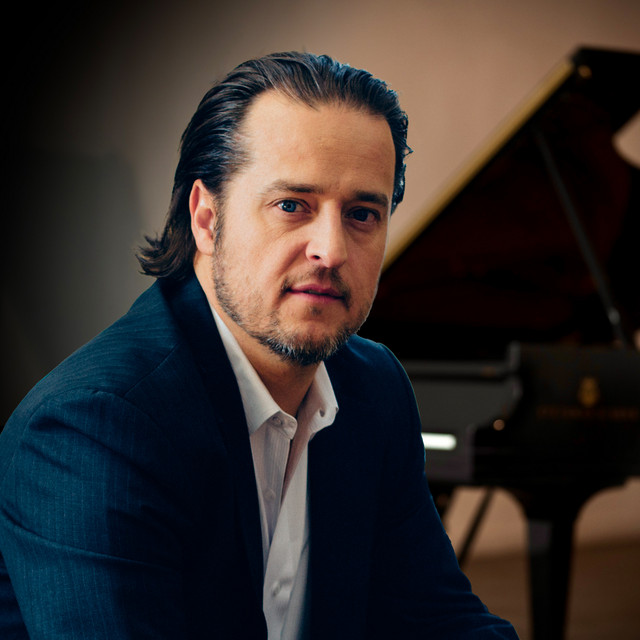
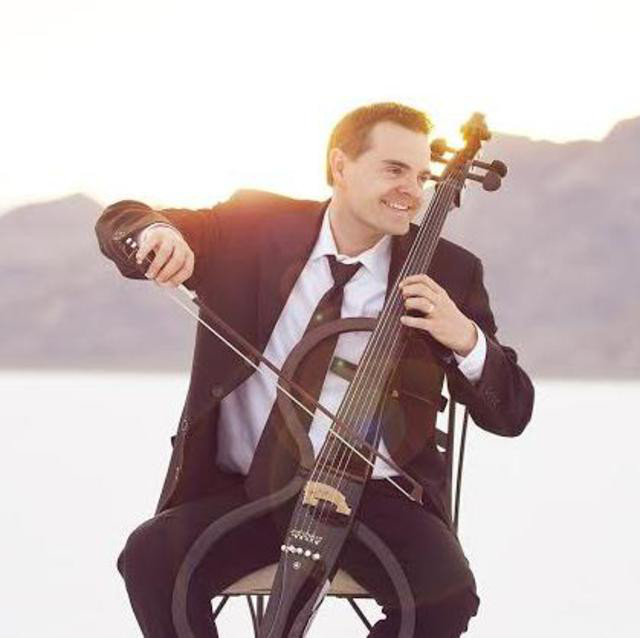
Ambassadors and key artists: Among the most visible ambassadors of this space are The Piano Guys—Jon Schmidt (piano) and Steven Sharp Nelson (cello)—whose instrumental hybrid of classical technique and contemporary repertoire has reached a global audience. Their videos frequently feature hymn-inspired melodies and arrangements that carry a distinct LDS identity while appealing to general listeners. Solo piano artists such as Paul Cardall also hold a central place in the scene; Cardall is known for reflective, hymn-adjacent piano collections and concerts that resonate with many who seek meditative sacred music. While these names are among the best-known, the LDS instrumental landscape is populated by other composers and performers who release albums, participate in temple concerts, and contribute to church-sponsored or church-adjacent projects. The community surrounding LDS music—choirs, chamber groups, and regional ensembles—also plays a vital role in sustaining the genre.
Geography and popularity: The genre is most visible in the United States, particularly in Utah and the broader Intermountain West, where large Latter-day Saint communities foster studios, commissions, and concert programs. It also maintains a presence in Canada, the United Kingdom, and other countries with active Mormon communities, including parts of Latin America and the Pacific. Online platforms have helped the music cross cultural boundaries, inviting listeners who may not share the faith to appreciate the craft, mood, and emotional nuance of instrumental sacred music.
Characteristics and listening context: Common traits include piano-led textures, strings, orchestral color, and occasionally organ or light electronic textures. Pieces often reinterpret hymns, explore devotional themes, or create cinematic, prayerful atmospheres. The mood tends to be calm, reflective, and uplifting, making these works suitable for study, meditation, worship sets, personal devotion, or cinematic soundtracks in video productions.
If you’re curious to explore, start with The Piano Guys’ arrangements for a broad sense of the sound, then sample Paul Cardall’s solo piano albums for a more intimate, devotional voice. The LDS instrumental scene rewards attentive listening and invites you to discover how faith-inspired music can live vividly in instrumental form.
Origins and development: The contemporary LDS instrumental scene grew from a broader Mormon musical culture—hymn-based traditions, choral and organ repertoire, and temple-centered music—into a more public, performer-driven form in the late 20th and early 21st centuries. Advances in home recording and digital distribution helped independent artists reach audiences beyond congregational settings. Over the 2000s and 2010s, instrumental albums, videos, and streaming releases began to circulate widely, often pairing sacred themes with accessible, contemplative musical language. The result is a community-driven scene that values artistry, devotion, and a sense of shared faith.
Ambassadors and key artists: Among the most visible ambassadors of this space are The Piano Guys—Jon Schmidt (piano) and Steven Sharp Nelson (cello)—whose instrumental hybrid of classical technique and contemporary repertoire has reached a global audience. Their videos frequently feature hymn-inspired melodies and arrangements that carry a distinct LDS identity while appealing to general listeners. Solo piano artists such as Paul Cardall also hold a central place in the scene; Cardall is known for reflective, hymn-adjacent piano collections and concerts that resonate with many who seek meditative sacred music. While these names are among the best-known, the LDS instrumental landscape is populated by other composers and performers who release albums, participate in temple concerts, and contribute to church-sponsored or church-adjacent projects. The community surrounding LDS music—choirs, chamber groups, and regional ensembles—also plays a vital role in sustaining the genre.
Geography and popularity: The genre is most visible in the United States, particularly in Utah and the broader Intermountain West, where large Latter-day Saint communities foster studios, commissions, and concert programs. It also maintains a presence in Canada, the United Kingdom, and other countries with active Mormon communities, including parts of Latin America and the Pacific. Online platforms have helped the music cross cultural boundaries, inviting listeners who may not share the faith to appreciate the craft, mood, and emotional nuance of instrumental sacred music.
Characteristics and listening context: Common traits include piano-led textures, strings, orchestral color, and occasionally organ or light electronic textures. Pieces often reinterpret hymns, explore devotional themes, or create cinematic, prayerful atmospheres. The mood tends to be calm, reflective, and uplifting, making these works suitable for study, meditation, worship sets, personal devotion, or cinematic soundtracks in video productions.
If you’re curious to explore, start with The Piano Guys’ arrangements for a broad sense of the sound, then sample Paul Cardall’s solo piano albums for a more intimate, devotional voice. The LDS instrumental scene rewards attentive listening and invites you to discover how faith-inspired music can live vividly in instrumental form.