Genre
lebanese pop
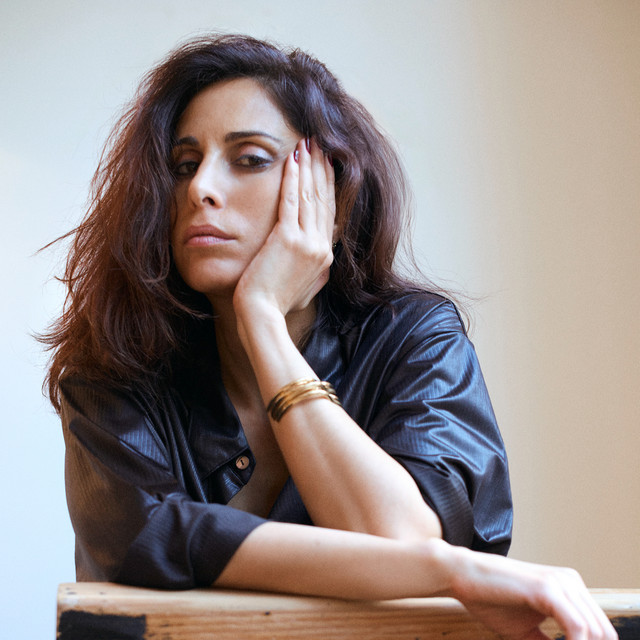
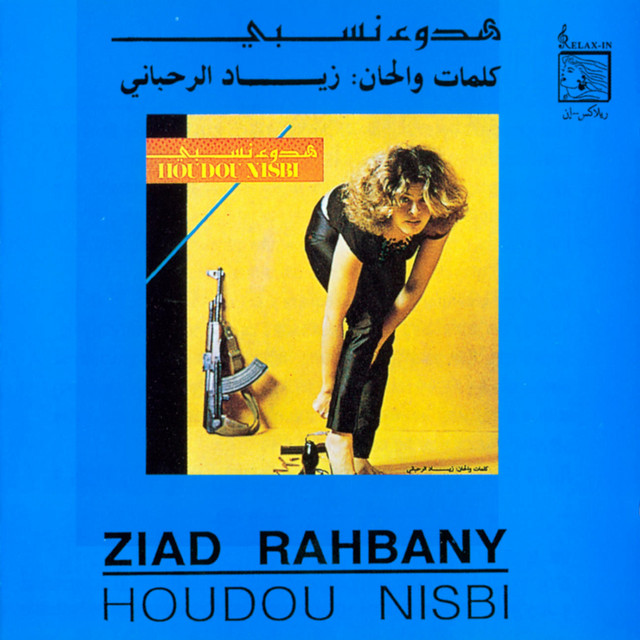
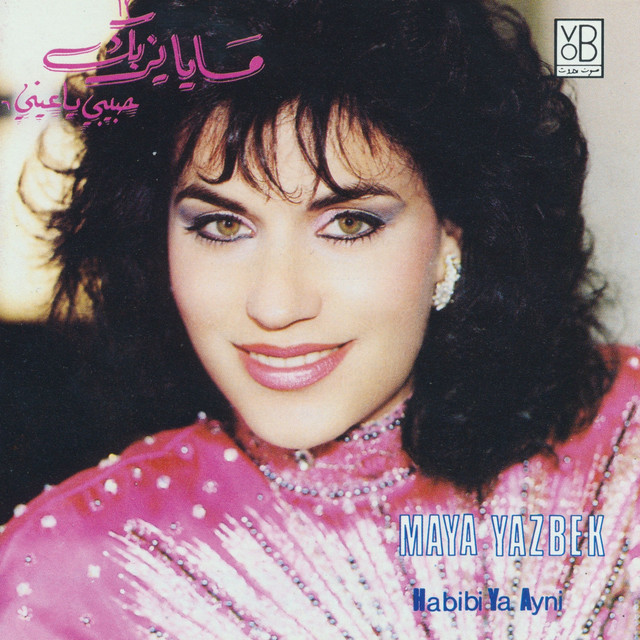
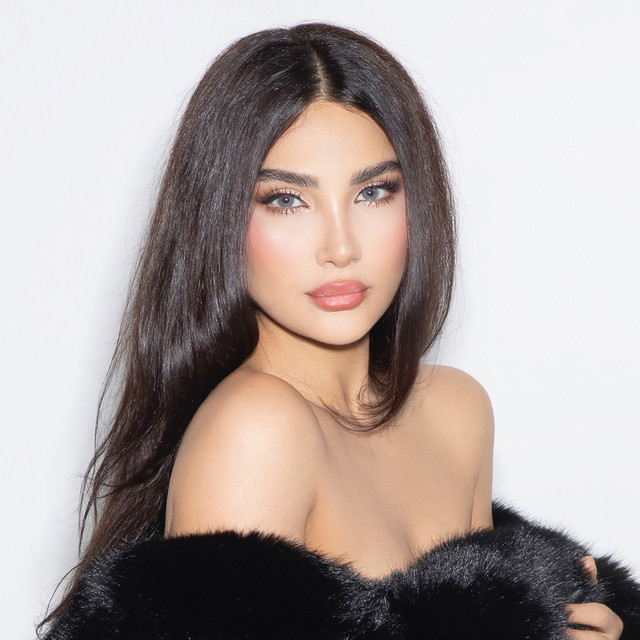
Top Lebanese pop Artists
Showing 25 of 34 artists










About Lebanese pop
Lebanese pop is the Levant’s distinctly polished strand of Arabic popular music, a production-forward blend of Western pop elegance with Levantine melody and Arabic lyricism. It grew in the vibrant Beirut scene, where studios, radio, and television connected local composers with audiences across the Arab world. While it draws on a long tradition of traditional Lebanese song, the modern Lebanese pop sound really came into sharper focus in the 1990s and blossomed in the 2000s as artists began blending catchy, radio-ready melodies with electronic beats, dance rhythms, and sleek studio polish.
What defines the sound? Lebanese pop tends to emphasize bright, memorable hooks, polished vocal performances, and an aesthetic that favors accessible, chorus-driven songs. You’ll hear a mix of Western pop textures—danceable grooves, synths, electronic percussion—with Levantine modal flavors, laced with romantic or cosmopolitan lyrics. It often sits at the crossroads of ballad and club track, allowing both intimate vocal moments and big, crowd-pleasing refrains. Instrumentation can range from traditional strings or qanun touches to modern drum machines, bass synths, and glossy production that’s built for radio and streaming playlists. The genre thrives on the idea that a great pop song should feel familiar within seconds and then invite you to dance or hum along long after the track ends.
Lebanese pop is also characterized by its star-driven ecosystem. Records and big music videos from Beirut’s studios helped launch a generation of regional idols who became ambassadors for the scene beyond Lebanon’s borders. The most influential figures include artists such as Najwa Karam, Ragheb Alama, Nancy Ajram, Elissa, Nawal Al Zoghbi, Haifa Wehbe, Myriam Fares, and Lara Scandar, among others. These artists brought a distinctly Lebanese voice to a pan-Arab audience, combining homegrown musical sensibilities with global pop aesthetics. They built careers that crossed radio, TV, and later online platforms, making Lebanese pop a reference point for contemporary Arabic pop music.
Where is it most popular? The genre has found its strongest and most enduring audiences across the Arab world—countries like Egypt, Saudi Arabia, the United Arab Emirates, Jordan, Syria, and of course Lebanon. It resonates with the Arab-speaking diaspora in Europe and North America as well, particularly in France, Canada, and Australia, where streaming, social media, and live tours keep the music circulating. The Beirut-based industry also acts as a launchpad for regional collaborations, bringing together artists from different countries and fostering a shared Arabic pop language with a Lebanese sensibility.
For enthusiasts, Lebanese pop offers a gateway into a cosmopolitan, danceable, emotionally direct sound—songs that feel modern yet steeped in a Levantine musical DNA. It’s a music of nightlife and beaches as much as radio playlists and streaming charts, a genre that continues to reinvent itself through new voices, bilingual collaborations, and cross-genre experiments while staying unmistakably Lebanese in its melodic heart. If you’re chasing sleek pop production wrapped in Arabic warmth, Lebanese pop is a rich, evolving destination.
What defines the sound? Lebanese pop tends to emphasize bright, memorable hooks, polished vocal performances, and an aesthetic that favors accessible, chorus-driven songs. You’ll hear a mix of Western pop textures—danceable grooves, synths, electronic percussion—with Levantine modal flavors, laced with romantic or cosmopolitan lyrics. It often sits at the crossroads of ballad and club track, allowing both intimate vocal moments and big, crowd-pleasing refrains. Instrumentation can range from traditional strings or qanun touches to modern drum machines, bass synths, and glossy production that’s built for radio and streaming playlists. The genre thrives on the idea that a great pop song should feel familiar within seconds and then invite you to dance or hum along long after the track ends.
Lebanese pop is also characterized by its star-driven ecosystem. Records and big music videos from Beirut’s studios helped launch a generation of regional idols who became ambassadors for the scene beyond Lebanon’s borders. The most influential figures include artists such as Najwa Karam, Ragheb Alama, Nancy Ajram, Elissa, Nawal Al Zoghbi, Haifa Wehbe, Myriam Fares, and Lara Scandar, among others. These artists brought a distinctly Lebanese voice to a pan-Arab audience, combining homegrown musical sensibilities with global pop aesthetics. They built careers that crossed radio, TV, and later online platforms, making Lebanese pop a reference point for contemporary Arabic pop music.
Where is it most popular? The genre has found its strongest and most enduring audiences across the Arab world—countries like Egypt, Saudi Arabia, the United Arab Emirates, Jordan, Syria, and of course Lebanon. It resonates with the Arab-speaking diaspora in Europe and North America as well, particularly in France, Canada, and Australia, where streaming, social media, and live tours keep the music circulating. The Beirut-based industry also acts as a launchpad for regional collaborations, bringing together artists from different countries and fostering a shared Arabic pop language with a Lebanese sensibility.
For enthusiasts, Lebanese pop offers a gateway into a cosmopolitan, danceable, emotionally direct sound—songs that feel modern yet steeped in a Levantine musical DNA. It’s a music of nightlife and beaches as much as radio playlists and streaming charts, a genre that continues to reinvent itself through new voices, bilingual collaborations, and cross-genre experiments while staying unmistakably Lebanese in its melodic heart. If you’re chasing sleek pop production wrapped in Arabic warmth, Lebanese pop is a rich, evolving destination.