Genre
library music
Top Library music Artists
Showing 25 of 109 artists





About Library music
Library music, also known as production music or stock music, is a distinct ecosystem of pre-composed cues created for use in film, television, radio, ads, and multimedia. Rather than commissioning a bespoke score for every project, producers license organized catalogs of short musical pieces—beds, stingers, cues in varying lengths and moods—that can be synced to scenes, edited to fit timing, and reused across many productions. The result is a flexible, cost-efficient sonic toolkit that helps moving pictures breathe without waiting on a composer for every punchline or transition.
Historically, the idea emerged in the early to mid-20th century as studios sought ready-made music to accompany moving images. By the postwar era, production libraries proliferated in Europe and North America, and the practice became a standard part of the scoring ecosystem. The catalogs organized content by mood (dramatic, suspense, romantic, lighthearted), by tempo, and by stylistic flair (orchestral, jazz, electronics, world). Tracks were often written to be loopable and to feature stems (separate sections such as melody, harmony, rhythm, and effects) so editors could mix and match to fit precisely. The result was a fast lane for mood-setting that could be tailored to a scene without a bespoke composition bill.
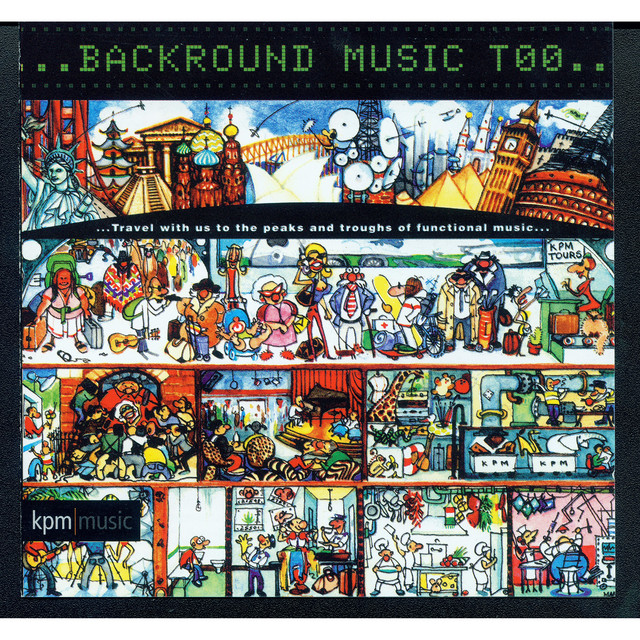
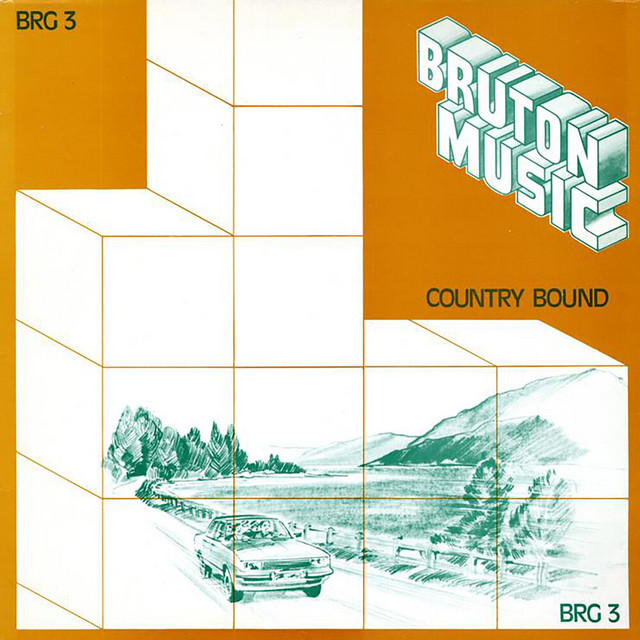
Several catalogs and publisher houses became touchstones in the field. In the United Kingdom and Europe, libraries and labels such as KPM, De Wolfe, Bruton, and EMI/Production Music became synonymous with the production-music ecosystem. In the United States, catalogs including APM Music, Extreme Music, and others built vast repertoires used by Hollywood, television networks, and advertising agencies. These labels not only provide music but also licensing terms that clarify where and how a cue can be used, which is a core feature of the genre’s practicality.
Ambassadors and influential figures in library music tend to be the prolific composers who built large, enduring catalogs and the producers who ran major libraries. Names that are often associated with the genre include pioneer contributors who shaped the sound of TV and film cues, as well as modern composers who continue to contribute to large catalogs. In addition to individual composers, the genre has ambassadors among contemporary production-music houses that actively curate and commission new material, helping to keep library music relevant in the streaming and digital advertising era.
Culturally, library music has had a broad footprint. It has fed film and TV across many countries, with particular strength in the UK and the US, and a robust presence in continental Europe and Japan where production cultures are vibrant. Its influence extends beyond scoring; many tracks have become part of the broader sonic vocabulary—cited, sampled, and repurposed by artists and producers in genres ranging from hip-hop to ambient and electronic music.
Today, the landscape blends traditional catalog libraries with online licensing platforms, making production music more accessible than ever. For enthusiasts, library music offers a treasure trove of mood-forward cues—versatile, era-spanning, and purpose-built for cinema and media. It’s a genre that values craft, efficiency, and mood-mating a scene to music, while inviting listeners to trace the lineage of cues that quietly shape the soundtrack of modern media.
Historically, the idea emerged in the early to mid-20th century as studios sought ready-made music to accompany moving images. By the postwar era, production libraries proliferated in Europe and North America, and the practice became a standard part of the scoring ecosystem. The catalogs organized content by mood (dramatic, suspense, romantic, lighthearted), by tempo, and by stylistic flair (orchestral, jazz, electronics, world). Tracks were often written to be loopable and to feature stems (separate sections such as melody, harmony, rhythm, and effects) so editors could mix and match to fit precisely. The result was a fast lane for mood-setting that could be tailored to a scene without a bespoke composition bill.
Several catalogs and publisher houses became touchstones in the field. In the United Kingdom and Europe, libraries and labels such as KPM, De Wolfe, Bruton, and EMI/Production Music became synonymous with the production-music ecosystem. In the United States, catalogs including APM Music, Extreme Music, and others built vast repertoires used by Hollywood, television networks, and advertising agencies. These labels not only provide music but also licensing terms that clarify where and how a cue can be used, which is a core feature of the genre’s practicality.
Ambassadors and influential figures in library music tend to be the prolific composers who built large, enduring catalogs and the producers who ran major libraries. Names that are often associated with the genre include pioneer contributors who shaped the sound of TV and film cues, as well as modern composers who continue to contribute to large catalogs. In addition to individual composers, the genre has ambassadors among contemporary production-music houses that actively curate and commission new material, helping to keep library music relevant in the streaming and digital advertising era.
Culturally, library music has had a broad footprint. It has fed film and TV across many countries, with particular strength in the UK and the US, and a robust presence in continental Europe and Japan where production cultures are vibrant. Its influence extends beyond scoring; many tracks have become part of the broader sonic vocabulary—cited, sampled, and repurposed by artists and producers in genres ranging from hip-hop to ambient and electronic music.
Today, the landscape blends traditional catalog libraries with online licensing platforms, making production music more accessible than ever. For enthusiasts, library music offers a treasure trove of mood-forward cues—versatile, era-spanning, and purpose-built for cinema and media. It’s a genre that values craft, efficiency, and mood-mating a scene to music, while inviting listeners to trace the lineage of cues that quietly shape the soundtrack of modern media.