Genre
liedermacher
Top Liedermacher Artists
Showing 5 of 5 artists
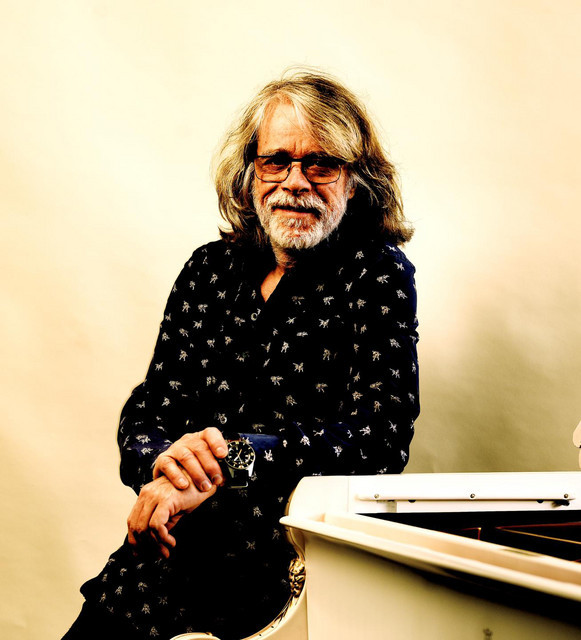
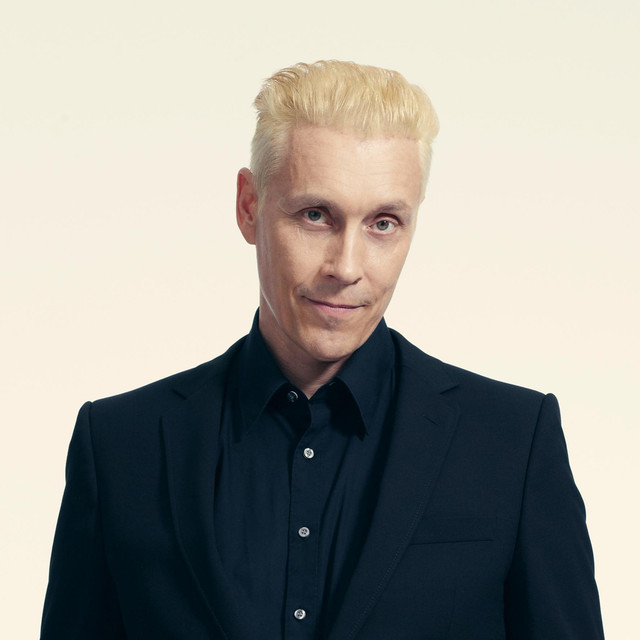
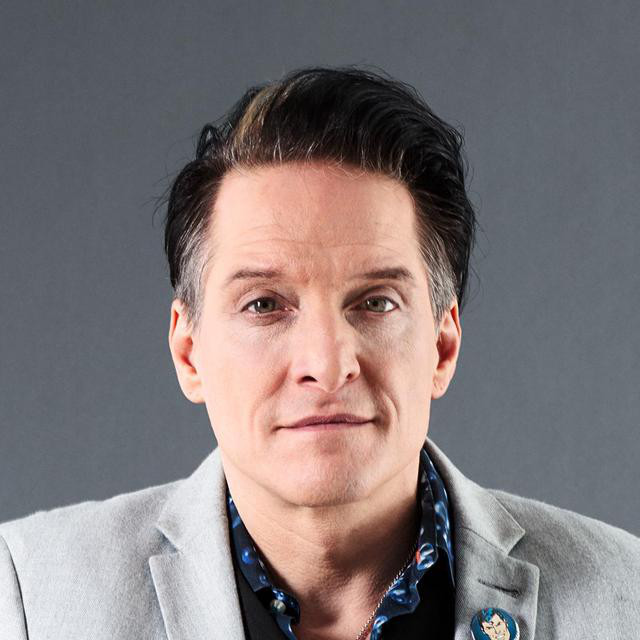

About Liedermacher
Liedermacher is a German-language singer-songwriter tradition defined by lyric-driven songs delivered with intimate, often acoustic arrangements. Rooted in the long German Lied tradition and the cabaret culture of the 20th century, the term began to describe a wave of poets-musicians who accompanied themselves on guitar or piano and favored plain, precise language over glossy pop production. The scene coalesced in the 1960s, amid West Germany’s student movements and a rising appetite for social critique, while in East Germany the genre found one of its most famous voices in Wolf Biermann, whose uncompromising songs and subsequent ban from performing in the GDR turned him into a symbol of artistic resistance. From there, Liedermacher expanded into a broader continental vernacular: a constellation of performers who treat the stage as a forum for idea and feeling as much as for melody.
What sets liedermacher apart is the emphasis on the text. Songs are typically built around a simple, sturdy musical frame—often guitar, occasionally piano or accordion—but the priority is the lyric: observational storytelling, political or social commentary, wit, and elegiac or humorous turns of phrase. The performance style tends toward economy and clarity: a direct connection with the audience, a conversational delivery, and a sense of sharing intimate thoughts rather than presenting polished spectacle. Topics range from day-to-day perception and love to critique of institutions, memory, solidarity, and protest. The genre thrives in small venues—Liederabende, clubs, cultural centers, and festival tents—where the spoken-word quality of the songs can breathe.
Among the genre’s ambassadors, a few names recur as touchstones. East German dissident tradition is epitomized by Wolf Biermann. In the West, Hannes Wader and Reinhard Mey helped popularize the format with a steady stream of sharp, sturdy songs that became a soundtrack for a generation. Konstantin Wecker has carried the torch with a blend of poetry, spirituality, and social critique. Gerhard Gundermann, a later figure from East Germany who bridged folk and rock sensibilities, embodied the mestizo spirit of Liedermacher: personal storytelling fused with political consciousness. Other notable figures often associated with the scene include Rio Reiser, Klaus Hoffmann, and a range of newer voices who continue to carry the tradition forward while incorporating contemporary folk, pop, and rock textures.
Liedermacher remains most popular in German-speaking countries—Germany, Austria, and Switzerland—where a robust network of clubs, festivals, and radio programs sustains the culture. Its influence also filters across the broader German-language singer-songwriter landscape, shaping younger artists who foreground lyrical craft even when their sound embraces a wider spectrum of genres. Today’s liedermacher scene is both a preservation of a historic practice and a living, evolving form: a vehicle for precise observation, honest reflection, and communal storytelling that keeps pace with changing social realities while honoring the art of song as testimony.
What sets liedermacher apart is the emphasis on the text. Songs are typically built around a simple, sturdy musical frame—often guitar, occasionally piano or accordion—but the priority is the lyric: observational storytelling, political or social commentary, wit, and elegiac or humorous turns of phrase. The performance style tends toward economy and clarity: a direct connection with the audience, a conversational delivery, and a sense of sharing intimate thoughts rather than presenting polished spectacle. Topics range from day-to-day perception and love to critique of institutions, memory, solidarity, and protest. The genre thrives in small venues—Liederabende, clubs, cultural centers, and festival tents—where the spoken-word quality of the songs can breathe.
Among the genre’s ambassadors, a few names recur as touchstones. East German dissident tradition is epitomized by Wolf Biermann. In the West, Hannes Wader and Reinhard Mey helped popularize the format with a steady stream of sharp, sturdy songs that became a soundtrack for a generation. Konstantin Wecker has carried the torch with a blend of poetry, spirituality, and social critique. Gerhard Gundermann, a later figure from East Germany who bridged folk and rock sensibilities, embodied the mestizo spirit of Liedermacher: personal storytelling fused with political consciousness. Other notable figures often associated with the scene include Rio Reiser, Klaus Hoffmann, and a range of newer voices who continue to carry the tradition forward while incorporating contemporary folk, pop, and rock textures.
Liedermacher remains most popular in German-speaking countries—Germany, Austria, and Switzerland—where a robust network of clubs, festivals, and radio programs sustains the culture. Its influence also filters across the broader German-language singer-songwriter landscape, shaping younger artists who foreground lyrical craft even when their sound embraces a wider spectrum of genres. Today’s liedermacher scene is both a preservation of a historic practice and a living, evolving form: a vehicle for precise observation, honest reflection, and communal storytelling that keeps pace with changing social realities while honoring the art of song as testimony.