Genre
lithuanian hip hop
Top Lithuanian hip hop Artists
Showing 25 of 52 artists






















About Lithuanian hip hop
Lithuanian hip hop is the national branch of a global movement, born in the late 1990s as Lithuania redefined its cultural identity after the collapse of the Soviet era. It arrived to a curious, hungry audience—young listeners eager for street-level storytelling, bilingual wordplay, and a sound rooted in American hip hop while distinctly colored by Lithuanian language and local slang. From the start, it was less about imitation and more about making a voice that could speak to everyday life in Lithuanian cities, from Vilnius to Kaunas, from factory floors to university campuses.
The scene began in earnest in the late 1990s, with underground crews and small labels laying the groundwork. Producers experimented with drum samples, breakbeats, and early digital tools, while MCs honed the craft of delivering crisp Lithuanian rhymes over tight grooves. One act in particular rose to become the backbone of the movement: G&G Sindikatas. This group—formed in Vilnius by a core of MCs and producers—became synonymous with the Lithuanian hip hop sound, melding gritty street narratives with polished performances and a distinctive regional cadence. They helped legitimize the scene, bridging underground credibility with a growing appetite for records, tours, and media exposure. Their influence extended beyond pure bravado; they popularized a storytelling approach that could be playful, political, or reflective, all delivered in the Lithuanian language.
Technically, Lithuanian hip hop often leans on clean, sample-driven production, but it has shown a strong appetite for experimentation. Early tracks tended toward lean, boom-bap-inspired beats, letting dense lyricism take center stage. As the 2000s progressed, the sound broadened: producers incorporated electronic textures, funk and jazz-influenced grooves, and, later still, elements from dancehall and trap. The genre’s maturity came hand in hand with a shift from perpetual underground releases to more structured studio albums, music videos, and live performances. The result is a vibe that can feel intimate and hard-hitting at once, infused with urban realism, social critique, and a wry sense of humor.
Ambassadors of the genre are few but influential. G&G Sindikatas stands as the most widely recognized pioneer, charting a course for subsequent generations and sustaining the mood and vocabulary of Lithuanian rap. In the years since, a new wave of artists and crews has continued to refine the language, blending traditional storytelling with contemporary production techniques and international trends. The Lithuanian scene now includes acts that explore trap, electronic blends, and more melodic avenues, expanding the reach without diluting the local voice. The cumulative effect is a robust, continually evolving ecosystem rather than a single formula.
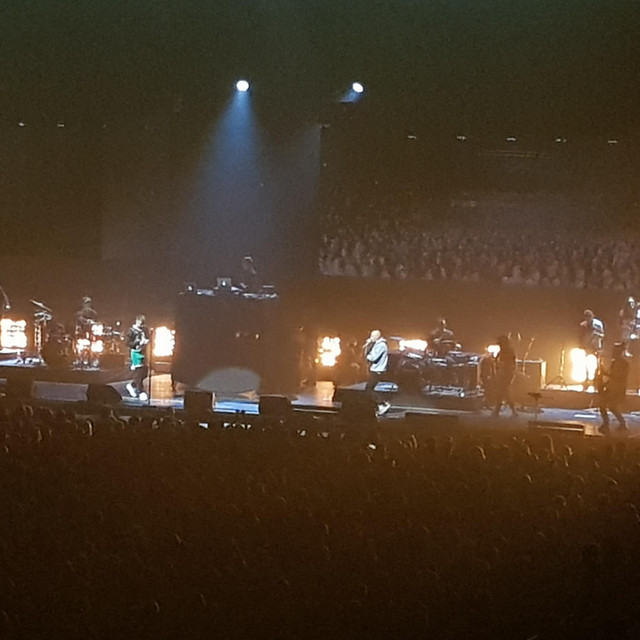
Today, Lithuanian hip hop is most strongly rooted at home, thriving on festivals, clubs, and broadcasts across Lithuania. It has also found audiences in Latvia and Estonia—neighbors who share Baltic cultural textures—and among the Lithuanian diaspora across Europe and North America. Online platforms—Spotify, YouTube, and local streaming services—ensure that tracks circulate beyond city borders, inviting curious listeners to discover a genre that is as much about language and identity as it is about rhythm and rhyme. For enthusiasts, Lithuanian hip hop offers a compelling lens into a vibrant, evolving regional scene that continues to grow while staying unmistakably local.
The scene began in earnest in the late 1990s, with underground crews and small labels laying the groundwork. Producers experimented with drum samples, breakbeats, and early digital tools, while MCs honed the craft of delivering crisp Lithuanian rhymes over tight grooves. One act in particular rose to become the backbone of the movement: G&G Sindikatas. This group—formed in Vilnius by a core of MCs and producers—became synonymous with the Lithuanian hip hop sound, melding gritty street narratives with polished performances and a distinctive regional cadence. They helped legitimize the scene, bridging underground credibility with a growing appetite for records, tours, and media exposure. Their influence extended beyond pure bravado; they popularized a storytelling approach that could be playful, political, or reflective, all delivered in the Lithuanian language.
Technically, Lithuanian hip hop often leans on clean, sample-driven production, but it has shown a strong appetite for experimentation. Early tracks tended toward lean, boom-bap-inspired beats, letting dense lyricism take center stage. As the 2000s progressed, the sound broadened: producers incorporated electronic textures, funk and jazz-influenced grooves, and, later still, elements from dancehall and trap. The genre’s maturity came hand in hand with a shift from perpetual underground releases to more structured studio albums, music videos, and live performances. The result is a vibe that can feel intimate and hard-hitting at once, infused with urban realism, social critique, and a wry sense of humor.
Ambassadors of the genre are few but influential. G&G Sindikatas stands as the most widely recognized pioneer, charting a course for subsequent generations and sustaining the mood and vocabulary of Lithuanian rap. In the years since, a new wave of artists and crews has continued to refine the language, blending traditional storytelling with contemporary production techniques and international trends. The Lithuanian scene now includes acts that explore trap, electronic blends, and more melodic avenues, expanding the reach without diluting the local voice. The cumulative effect is a robust, continually evolving ecosystem rather than a single formula.
Today, Lithuanian hip hop is most strongly rooted at home, thriving on festivals, clubs, and broadcasts across Lithuania. It has also found audiences in Latvia and Estonia—neighbors who share Baltic cultural textures—and among the Lithuanian diaspora across Europe and North America. Online platforms—Spotify, YouTube, and local streaming services—ensure that tracks circulate beyond city borders, inviting curious listeners to discover a genre that is as much about language and identity as it is about rhythm and rhyme. For enthusiasts, Lithuanian hip hop offers a compelling lens into a vibrant, evolving regional scene that continues to grow while staying unmistakably local.