Genre
livetronica
Top Livetronica Artists
Showing 24 of 24 artists










About Livetronica
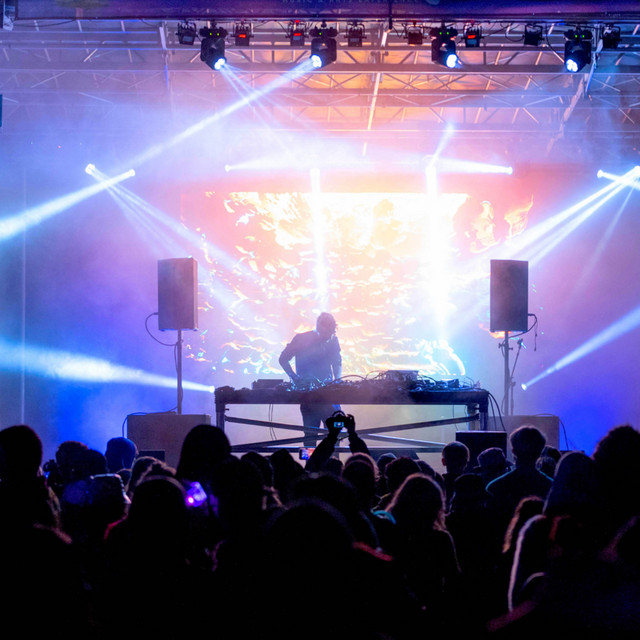
Livetronica is a live, improvisational fusion of electronic production and the energy of rock and jam music. It lives at the intersection where DJs, synthesists, and engineers share the stage with guitarists, drummers, and bassists, bending loops, samples, and circuitry in real time while the band spins out extended, exploratory journeys. The result is music that feels both electronic and human—grooves that are danceable in one moment and sprawling, psychedelic explorations in the next.
The genre crystallized in the late 1990s and early 2000s within the American jam scene, as bands began integrating laptop-driven textures, sequencers, and live-triggered samples into their live performances. The Disco Biscuits, a Philadelphia-based quartet formed in the mid-1990s, became one of the defining acts. Their live-intense, improvisatory approach helped popularize the term livetronica and sparked a broader movement that embraced technology as a co‑improviser rather than a backdrop. Early on, groups like STS9 (Sound Tribe Sector 9) from Atlanta and Lotus from Vermont further blended electronic tones with rock‑leaning improvisation, creating long, evolving sets that could veer from techno-tinged trance to organic, groove-driven jams. By the mid-2000s, a name for the broader scene had coalesced: livetronica or jamtronica, often used interchangeably, signaling a culture where the electronics are played live and the improvisation is the primary engine.
Ambassadors and key artists have varied across regions, but several acts are synonymous with the sound: The Disco Biscuits, STS9, Lotus, Umphrey’s McGee, and Papadosio helped define the live-ambient-to-dancefloor spectrum, while acts like The Glitch Mob and Pretty Lights pushed the edge of electronic textures and songcraft within a live context. The Glitch Mob, with its cinematic, bass-forward sets, brought a heavy, club-ready sensibility to theaters and festivals, while Papadosio bridged psychedelic rock with complex electronic textures and social-conscious lyrical themes. The genre thrives on collaboration and evolution, spawning side projects and evolving lineups that keep the live show as the focal point.
Geographically, livetronica remains most robust in the United States, where the jam-band circuits, festival culture, and dedicated regional scenes in places like the Northeast, Colorado, and the Pacific Northwest provide fertile ground. Europe hosts a growing but more niche scene, with sizeable communities in the United Kingdom, Germany, the Netherlands, and France, often centered around club nights and cross-genre festival events. Canada has a smaller but enthusiastic ecosystem, while Australia and parts of Asia maintain emerging pockets of livetronica activity.
For enthusiasts, livetronica offers a compelling blend: the tactile thrill of live instrumentation, the immediacy and texture of electronic gear, and the unpredictable nature of a fully improvised journey. It rewards attentive listening and repeated live encounters—the kind of discovery that makes a single show feel like a definitive chapter in a longer, evolving musical narrative.
The genre crystallized in the late 1990s and early 2000s within the American jam scene, as bands began integrating laptop-driven textures, sequencers, and live-triggered samples into their live performances. The Disco Biscuits, a Philadelphia-based quartet formed in the mid-1990s, became one of the defining acts. Their live-intense, improvisatory approach helped popularize the term livetronica and sparked a broader movement that embraced technology as a co‑improviser rather than a backdrop. Early on, groups like STS9 (Sound Tribe Sector 9) from Atlanta and Lotus from Vermont further blended electronic tones with rock‑leaning improvisation, creating long, evolving sets that could veer from techno-tinged trance to organic, groove-driven jams. By the mid-2000s, a name for the broader scene had coalesced: livetronica or jamtronica, often used interchangeably, signaling a culture where the electronics are played live and the improvisation is the primary engine.
Ambassadors and key artists have varied across regions, but several acts are synonymous with the sound: The Disco Biscuits, STS9, Lotus, Umphrey’s McGee, and Papadosio helped define the live-ambient-to-dancefloor spectrum, while acts like The Glitch Mob and Pretty Lights pushed the edge of electronic textures and songcraft within a live context. The Glitch Mob, with its cinematic, bass-forward sets, brought a heavy, club-ready sensibility to theaters and festivals, while Papadosio bridged psychedelic rock with complex electronic textures and social-conscious lyrical themes. The genre thrives on collaboration and evolution, spawning side projects and evolving lineups that keep the live show as the focal point.
Geographically, livetronica remains most robust in the United States, where the jam-band circuits, festival culture, and dedicated regional scenes in places like the Northeast, Colorado, and the Pacific Northwest provide fertile ground. Europe hosts a growing but more niche scene, with sizeable communities in the United Kingdom, Germany, the Netherlands, and France, often centered around club nights and cross-genre festival events. Canada has a smaller but enthusiastic ecosystem, while Australia and parts of Asia maintain emerging pockets of livetronica activity.
For enthusiasts, livetronica offers a compelling blend: the tactile thrill of live instrumentation, the immediacy and texture of electronic gear, and the unpredictable nature of a fully improvised journey. It rewards attentive listening and repeated live encounters—the kind of discovery that makes a single show feel like a definitive chapter in a longer, evolving musical narrative.